
Top Recycled Yarn Manufacturers in India: Why KS Spinning Mills Stands Out

Top Recycled Yarn Manufacturers in India: Why KS Spinning Mills Stands Out

Top Recycled Yarn Manufacturers in India: Why KS Spinning Mills Stands Out

The textile industry is undergoing a major transformation as businesses, brands, and manufacturers increasingly focus on sustainability, resource efficiency, and responsible production. One of the most important developments in this shift is the growing demand for recycled yarn.

Recycled yarn is produced by processing textile waste, discarded fabrics, and other suitable materials into usable fibres that can be spun into new yarn. This approach helps reduce waste and supports the principles of a circular textile economy.

With the demand for sustainable textiles growing in India and international markets, choosing the right Recycled Yarn Manufacturer has become increasingly important. Manufacturers and buyers need suppliers that can deliver consistent quality, reliable production, suitable yarn specifications, and sustainable solutions.

Among the growing number of Recycled Yarn Manufacturers in India, KS Spinning Mills has established itself as a notable name for businesses looking for quality-focused and sustainability-oriented yarn solutions.

Growing Demand for Recycled Yarn in India

India has a strong textile and spinning industry, making it an important market for recycled yarn production. Garment manufacturers, fabric producers, home textile companies, fashion brands, and exporters are increasingly exploring recycled materials to meet changing consumer expectations.

Several factors are contributing to this growing demand:

  • Increasing focus on sustainable fashion
  • Growing awareness of textile waste
  • Demand for eco-friendly textile products
  • Greater emphasis on resource conservation
  • Changing requirements from international buyers
  • Growth of circular economy practices

As a result, recycled yarn manufacturers are playing an increasingly important role in helping textile businesses adopt more responsible production practices.

What Is Recycled Yarn?

Recycled yarn is yarn manufactured using recovered textile fibres or other recyclable materials instead of relying entirely on virgin raw materials.

Depending on the manufacturing process and raw material, recycled yarn can be used in various applications, including:

  • Apparel
  • Home textiles
  • Knitted fabrics
  • Woven fabrics
  • Fashion accessories
  • Industrial textiles
  • Blankets and furnishings

The characteristics of recycled yarn can vary depending on the source material, fibre composition, processing technology, and intended application.

For buyers, this makes selecting an experienced recycled yarn manufacturer in India particularly important.

Why Choose Recycled Yarn?

The primary advantage of recycled yarn is its role in creating a more resource-efficient textile manufacturing system.

1. Supports Sustainable Manufacturing

Recycled yarn enables textile businesses to incorporate recovered materials into their production processes. This can help companies develop products aligned with their sustainability objectives.

2. Helps Reduce Textile Waste

Textile waste is a significant challenge for the global fashion and textile industry. Recycling suitable textile materials can help divert some waste from disposal and return valuable fibres to the production cycle.

3. Supports Circular Textile Production

The circular economy focuses on keeping materials in use for as long as possible. Recycled yarn contributes to this approach by converting suitable discarded textile materials into new yarn.

4. Suitable for Multiple Applications

Depending on its composition and specifications, recycled yarn can be used across apparel, home textiles, knitting, weaving, and other textile applications.

How to Choose the Best Recycled Yarn Manufacturer in India

Choosing a manufacturer should involve more than simply comparing prices. Buyers should evaluate several important factors.

Quality and Consistency

Yarn quality directly affects fabric performance and production efficiency. A reliable manufacturer should maintain consistency across batches and meet agreed specifications.

Manufacturing Capabilities

The manufacturer’s spinning and processing capabilities should match the requirements of the buyer. Different applications may require different yarn counts, blends, compositions, and performance characteristics.

Raw Material Management

The quality of recycled yarn depends significantly on the quality and processing of its raw materials. Effective sourcing, sorting, processing, and fibre preparation are therefore essential.

Production Capacity

Large textile businesses often require continuous and dependable supply. Buyers should evaluate whether a manufacturer has the capacity to support their order volumes and delivery requirements.

Sustainability Approach

For companies purchasing recycled yarn as part of their sustainability strategy, it is important to understand the manufacturer’s approach to recycling, resource utilization, waste management, and responsible production.

Technical Support

A good yarn manufacturer should be able to understand the buyer’s requirements and recommend suitable yarn specifications for their intended application.

Why KS Spinning Mills Stands Out

KS Spinning Mills is positioned to serve the growing demand for recycled and sustainable yarn solutions in the textile industry.

For buyers searching for Recycled Yarn Manufacturers, the company can be considered based on key factors such as manufacturing expertise, product quality, consistency, and focus on evolving textile requirements.

Focus on Quality

Quality is one of the most important considerations when sourcing recycled yarn. Recycled materials can present unique processing challenges, making appropriate fibre preparation and spinning practices essential.

A quality-focused manufacturer works toward maintaining yarn characteristics that are suitable for the customer’s intended textile application.

Sustainable Yarn Solutions

KS Spinning Mills focuses on yarn solutions that support the growing movement toward more sustainable textile manufacturing.

For brands and textile manufacturers looking to incorporate recycled materials into their product lines, working with a specialized recycled yarn manufacturer can help them explore more responsible material options.

Understanding Textile Industry Requirements

Different buyers have different requirements. A garment manufacturer may require different yarn characteristics than a home textile producer or knitting manufacturer.

An experienced spinning mill can help buyers identify appropriate yarn solutions according to their application, production requirements, and specifications.

Reliable Manufacturing Partner

For bulk textile procurement, reliability is critical. Consistent product quality, production capability, communication, and timely supply can all influence a buyer’s overall manufacturing process.

This is why businesses should evaluate the overall capabilities of a manufacturer rather than making a decision based solely on price.

Applications of Recycled Yarn

Recycled yarn can be used in a wide range of textile products, depending on its fibre composition and specifications.

Common applications include:

Apparel: Recycled yarn can be incorporated into sustainable clothing and fashion products.

Knitted Fabrics: It can be used for various knitted textile applications where the yarn specification is suitable.

Home Textiles: Recycled yarn can contribute to products such as furnishings and other household textile products.

Woven Fabrics: Certain recycled yarns can be used for weaving applications based on required strength and construction.

Sustainable Fashion Products: Brands increasingly use recycled materials as part of collections designed around sustainability.

The Future of Recycled Yarn Manufacturing in India

The future of recycled yarn looks promising as textile manufacturers and brands continue exploring alternatives to conventional raw materials.

India’s established textile ecosystem, spinning expertise, manufacturing infrastructure, and growing sustainability awareness create opportunities for the recycled yarn sector.

At the same time, manufacturers will need to continue focusing on:

  • Consistent yarn quality
  • Advanced recycling and spinning technologies
  • Efficient raw material utilization
  • Sustainable manufacturing practices
  • Product innovation
  • International quality requirements

As demand for sustainable textiles continues to evolve, recycled yarn manufacturers in India are likely to become increasingly important suppliers for both domestic and international textile businesses.

Conclusion

The shift toward sustainable textile manufacturing is creating significant opportunities for recycled yarn. From reducing textile waste to supporting circular production models, recycled yarn offers textile manufacturers and brands an opportunity to explore more responsible material solutions.

However, selecting the right manufacturer is essential for achieving consistent quality, reliable supply, and suitable product performance.

KS Spinning Mills stands out as a company to consider for businesses searching for a dependable recycled yarn manufacturer in India. With a focus on quality, manufacturing capabilities, and sustainable yarn solutions, KS Spinning Mills can support textile businesses looking to explore recycled and eco-conscious yarn options.

If your business is looking for recycled yarn manufacturers in India, evaluating product specifications, quality standards, manufacturing capabilities, sustainability practices, and supply requirements can help you make a more informed sourcing decision.
The Environmental Impact of Recycled Yarn Manufacturing

The Environmental Impact of Recycled Yarn Manufacturing

The Environmental Impact of Recycled Yarn Manufacturing

The textile industry plays a significant role in the global economy, but it also has a considerable environmental footprint. Traditional yarn manufacturing consumes large amounts of water, energy, and raw materials, contributing to pollution and waste. As sustainability becomes a priority, recycled yarn manufacturing has emerged as a powerful solution to reduce environmental impact while supporting responsible textile production. Companies like KS Spinning Mills are leading this transformation by adopting eco-friendly processes and innovative technologies.

Understanding Recycled Yarn Manufacturing

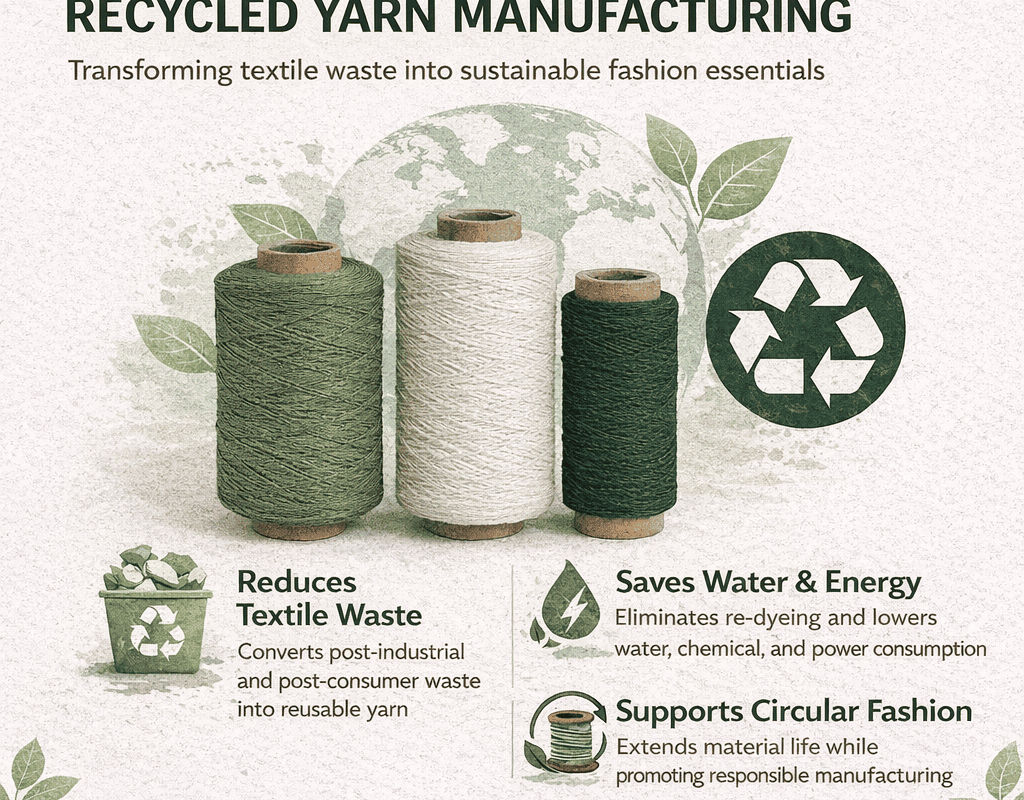
Recycled yarn is produced by converting textile waste or discarded materials into usable fibers that can be spun into yarn. These materials may include post-industrial waste, fabric scraps, or post-consumer textiles. By reusing existing resources, recycled yarn manufacturing minimizes waste and reduces the need for virgin raw materials.

KS Spinning Mills focuses on maintaining high-quality standards while ensuring that recycled yarn meets the performance requirements of modern textile applications.

Reducing Textile Waste and Landfill Pressure

One of the most significant environmental benefits of recycled yarn manufacturing is waste reduction. The textile industry generates millions of tons of waste annually, much of which ends up in landfills or incinerators.

Recycling textile waste into yarn extends the life cycle of materials and prevents them from contributing to environmental pollution. By repurposing waste fibers, manufacturers like KS Spinning Mills actively reduce landfill pressure and support sustainable waste management practices.

Conserving Natural Resources

Traditional yarn production relies heavily on virgin fibers such as cotton, which requires extensive water usage, pesticides, and land resources. Recycled Yarn Manufacturing significantly reduces dependence on these raw materials.

By utilizing recycled fibers, KS Spinning Mills helps conserve water, reduce agricultural strain, and minimize the extraction of natural resources. This conservation is essential for maintaining ecological balance and ensuring long-term resource availability.

Lower Water Consumption

Water usage is one of the most pressing environmental concerns in textile manufacturing. From fiber processing to dyeing, traditional yarn production consumes vast quantities of water.

Recycled yarn manufacturing typically requires less water, especially when fibers are reused rather than grown or chemically processed. KS Spinning Mills implements efficient processes that optimize water usage, contributing to a reduced environmental footprint.

Energy Efficiency and Reduced Carbon Emissions

Producing yarn from recycled fibers generally consumes less energy than manufacturing yarn from virgin materials. Lower energy usage directly translates into reduced greenhouse gas emissions.

By adopting energy-efficient machinery and streamlined production methods, KS Spinning Mills helps minimize carbon emissions. This approach aligns with global efforts to combat climate change and reduce the textile industry’s contribution to greenhouse gases.

Minimizing Chemical Usage

Traditional textile processing often involves heavy use of chemicals for cleaning, bleaching, and dyeing. Recycled yarn manufacturing can reduce chemical dependency by reusing fibers that have already undergone some level of processing.

KS Spinning Mills prioritizes responsible chemical management, ensuring that any necessary treatments meet environmental and safety standards. This reduces chemical runoff and protects surrounding ecosystems.

Supporting the Circular Economy

Recycled yarn manufacturing plays a vital role in promoting a circular economy, where materials are reused and recycled rather than discarded. This closed-loop system reduces waste and maximizes resource efficiency.

KS Spinning Mills contributes to circular textile practices by transforming waste into valuable yarn, enabling brands to create products with reduced environmental impact. This model supports sustainable growth across the textile value chain.

Enhancing Sustainable Supply Chains

Modern consumers demand transparency and sustainability throughout the supply chain. Recycled yarn manufacturing helps brands demonstrate environmental responsibility and meet sustainability goals.

By partnering with KS Spinning Mills, textile manufacturers gain access to eco-friendly yarn solutions that support responsible sourcing and production. This enhances brand credibility and market competitiveness.

Challenges in Recycled Yarn Manufacturing

Despite its benefits, recycled yarn manufacturing faces challenges such as maintaining fiber quality, ensuring consistency, and managing contamination in recycled materials. Advanced technology and strict quality control are essential to overcome these obstacles.

KS Spinning Mills addresses these challenges through continuous innovation, quality testing, and process optimization. This ensures recycled yarn performs reliably across various applications.

The Role of Innovation and Technology

Technological advancements are driving improvements in recycled yarn manufacturing. Modern sorting, processing, and spinning techniques have significantly enhanced yarn quality and efficiency.

KS Spinning Mills invests in advanced machinery and research to deliver recycled yarn that meets industry standards. Innovation ensures that sustainability does not come at the cost of performance or aesthetics.

Long-Term Environmental and Economic Benefits

Recycled yarn manufacturing offers long-term advantages beyond immediate environmental impact. Reduced resource consumption, lower energy usage, and waste reduction contribute to sustainable economic growth.

As regulations become stricter and consumer awareness increases, recycled yarn manufacturing will play a central role in shaping the future of textiles. Companies like KS Spinning Mills are well-positioned to lead this transition.

Conclusion

The environmental impact of recycled yarn manufacturing is profound and far-reaching. By reducing waste, conserving resources, lowering water and energy consumption, and supporting circular economies, recycled yarn offers a sustainable alternative to traditional yarn production.

Through responsible practices and innovative solutions, KS Spinning Mills demonstrates how recycled yarn manufacturing can balance environmental responsibility with high-quality textile production. As the industry moves toward a greener future, recycled yarn will continue to be a cornerstone of sustainable textile manufacturing.

Why Choosing an IDFL Certified Yarn Manufacturer Matters for Sustainable Fashion

Why Choosing an IDFL Certified Yarn Manufacturer Matters for Sustainable Fashion

In the modern textile industry, sustainability is no longer a choice—it’s a responsibility. With global fashion brands and conscious consumers demanding greater accountability, manufacturers are turning to certified practices that prove their commitment to environmental and ethical production. One such globally recognized standard is IDFL certification.

For companies like KS Spinning Mills, being an IDFL Certified Yarn Manufacturer is more than a badge of honor—it’s a testament to our dedication to creating high-quality, eco-friendly yarns that support a sustainable fashion ecosystem.

In this blog, we’ll explore what IDFL certification means, why it’s crucial for the fashion industry, and how choosing an IDFL Certified Yarn Manufacturer can make a meaningful difference for the planet and your brand.

What is IDFL Certification?

IDFL (International Down and Feather Laboratory and Institute) is one of the world’s leading certification bodies for textile and apparel quality assurance. Established in 1978, IDFL has grown to certify a wide range of textile materials including yarns, fabrics, recycled fibers, and apparel components.

When a yarn manufacturer like KS Spinning Mills becomes IDFL Certified, it means our products have been tested and verified according to strict international standards of:

  • Sustainability and traceability
  • Fiber content authenticity
  • Recycled material verification
  • Quality consistency and durability
  • Ethical and environmentally responsible production

In essence, IDFL certification ensures that every spool of yarn you use contributes to a cleaner, safer, and more transparent textile supply chain.

The Need for Sustainability in Fashion

The global fashion industry is one of the largest contributors to environmental pollution. From water contamination and microplastic release to textile waste and carbon emissions, the impact is staggering.

Consumers are becoming increasingly aware of these challenges, and brands are under pressure to deliver sustainable, traceable, and ethical products.

That’s where certified yarn manufacturers come in. Choosing yarns that are produced in compliance with international sustainability standards—like those verified by IDFL—helps ensure that the foundation of every garment is eco-friendly from the start.

Sustainability begins at the yarn stage, and KS Spinning Mills plays a vital role in this transformation.

Why IDFL Certification Matters in Yarn Manufacturing

Let’s dive into why IDFL certification is so valuable and what makes it a trusted mark for sustainable yarns.

1. Verified Recycled Content

With the rise of circular fashion, recycled yarns have become essential for reducing textile waste. IDFL verifies the authenticity of recycled materials used in yarn production—ensuring that claims like “100% recycled yarn” are genuine and traceable.

At KS Spinning Mills, we use post-consumer and post-industrial textile waste to create high-quality recycled yarn fabrics, certified and approved by IDFL standards. This reduces the need for virgin raw materials and minimizes environmental impact.

2. Transparency and Traceability

Transparency is the cornerstone of sustainable manufacturing. IDFL-certified yarn manufacturers follow strict traceability protocols—tracking every stage of production, from raw material sourcing to final packaging.

By partnering with KS Spinning Mills, brands can confidently showcase their supply chain transparency, knowing their yarns are traceable, ethically sourced, and verified by a globally recognized body.

3. Consistent Quality Assurance

Sustainability is not just about being eco-friendly; it’s also about longevity and durability. IDFL ensures that certified yarns maintain consistent strength, texture, and performance quality—helping brands produce garments that last longer and reduce waste over time.

Our state-of-the-art spinning technology at KS Spinning Mills ensures every yarn meets the same high standard of quality and sustainability.

4. Global Credibility and Compliance

IDFL certification is globally recognized by textile buyers, importers, and sustainable fashion brands. Choosing an IDFL Certified Yarn Manufacturer like KS Spinning Mills provides your brand with international credibility and aligns your products with global sustainability benchmarks such as GOTS, GRS, and OEKO-TEX.

This not only enhances your brand image but also simplifies export approvals and client audits—saving both time and resources.

5. Supporting the Circular Economy

An IDFL Certified Yarn Manufacturer actively contributes to the circular textile economy—an approach focused on minimizing waste and reusing materials.

At KS Spinning Mills, we take discarded fabrics, leftover cotton, and industrial textile waste, and spin them into new, high-performance yarns. This process reduces landfill waste, conserves natural resources, and closes the loop on textile production.

The KS Spinning Mills Advantage

As an IDFL Certified Yarn Manufacturer, KS Spinning Mills stands at the forefront of the sustainable textile movement. Our commitment goes beyond certification—it’s a continuous pursuit of innovation, responsibility, and transparency.

Here’s what makes us stand out:

  • Eco-Friendly Manufacturing: We use renewable energy sources and water-efficient systems.
  • Certified Quality: Our yarns are tested and verified under IDFL and other international standards.
  • Recycled Yarn Expertise: We specialize in producing recycled and blended yarns without compromising quality.
  • Client-Centric Solutions: We customize yarns based on our partners’ specific sustainability goals.
  • Global Partnerships: Our yarns are trusted by leading textile and apparel brands worldwide.

By choosing KS Spinning Mills, you’re not just selecting a supplier—you’re partnering with a sustainability-driven manufacturer that values the planet as much as performance.

How Brands Benefit from Choosing an IDFL Certified Manufacturer

Partnering with an IDFL Certified Yarn Manufacturer like KS Spinning Mills brings tangible benefits for your brand:

  1. Enhanced Brand Credibility: Certification builds trust among eco-conscious consumers.
  2. Sustainable Product Claims: Confidently market your garments as certified sustainable.
  3. Regulatory Compliance: Meet international sustainability requirements easily.
  4. Improved Supply Chain Transparency: Showcase your brand’s ethical sourcing practices.
  5. Positive Environmental Impact: Reduce waste, carbon footprint, and pollution.

In a competitive market where consumers are willing to pay more for sustainable fashion, IDFL certification becomes a strategic advantage that boosts brand reputation and customer loyalty.

Conclusion: Sustainability Begins with Certified Yarns

Sustainable fashion is built from the ground up—and it all starts with the yarn. By choosing an IDFL Certified Yarn Manufacturer like KS Spinning Mills, brands ensure that every thread woven into their fabrics reflects integrity, responsibility, and environmental consciousness.

At KS Spinning Mills, we believe that the future of textiles lies in transparent, certified, and circular production. Together, we can redefine fashion—making it more sustainable, ethical, and future-ready.