From Mill to Wardrobe: How Sweater Yarn Manufacturers Craft the Perfect Winter Wear

From Mill to Wardrobe: How Sweater Yarn Manufacturers Craft the Perfect Winter Wear

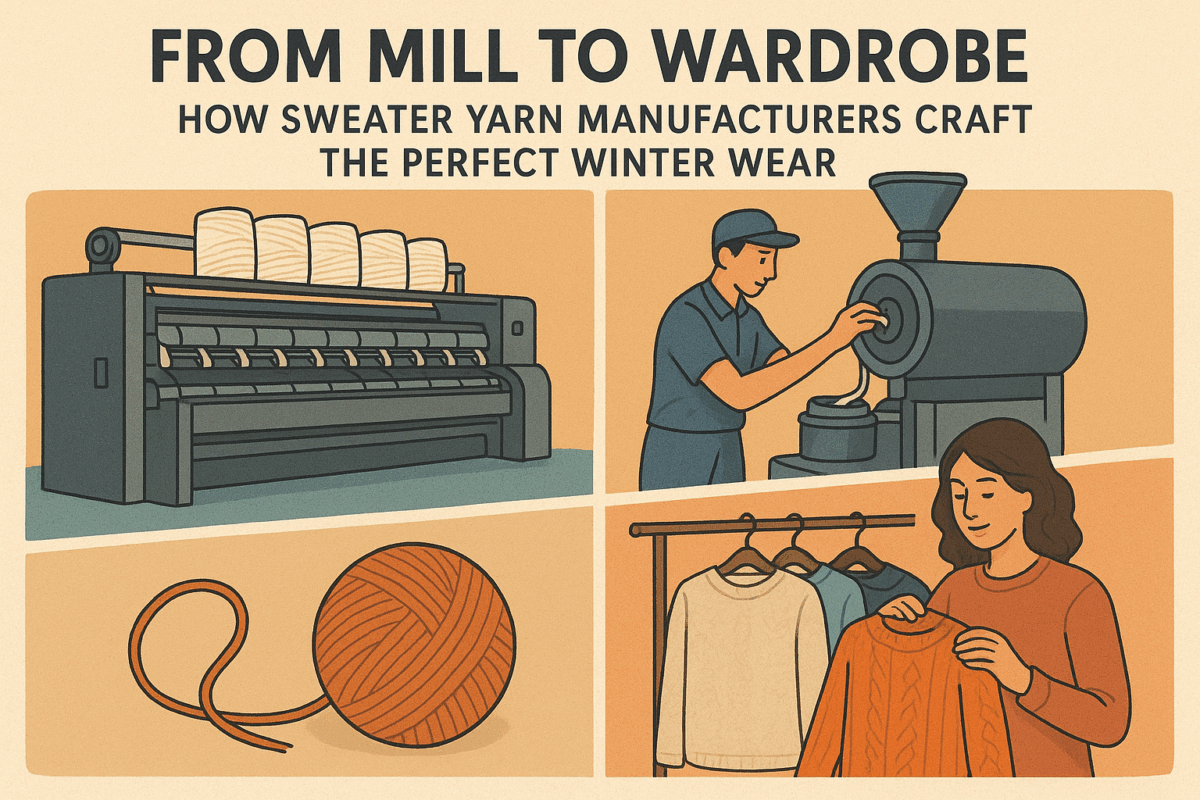
When winter approaches and temperatures drop, the first thing we reach for is often a warm, soft sweater. But behind every cozy garment lies an intricate process that begins long before it reaches store shelves. Sweater Yarn Manufacturers play a pivotal role in creating winter wear that is not only comfortable and stylish but also durable and sustainable. From raw fiber selection to final yarn finishing, each step in the manufacturing journey contributes to the quality of the sweaters we cherish.

1. The Art of Fiber Selection

The journey begins with choosing the right fibers—arguably the most critical decision in the entire process. Popular choices for winter sweaters include wool, alpaca, cashmere, mohair, and blends that incorporate synthetic fibers for added strength and elasticity.

  • Wool: Known for its warmth and moisture-wicking ability.
  • Cashmere: Luxuriously soft and lightweight, ideal for high-end winter wear.
  • Alpaca: Warmer than wool and hypoallergenic.
  • Blends: Often combine natural fibers with acrylic or nylon to improve durability and reduce costs.

Manufacturers assess fibers for fineness, length, and crimp, as these characteristics affect how warm, soft, and durable the final yarn will be.

2. Cleaning and Preparing the Fibers

Once sourced, fibers undergo scouring—a thorough washing process that removes dirt, grease, and impurities without damaging their structure. This step is crucial for ensuring the fibers can be spun evenly.

Some high-end yarn producers also apply gentle treatments to enhance softness, reduce pilling, or add stain resistance, depending on the intended use of the sweater.

3. Blending and Carding

If the yarn will be a blend (e.g., wool-cashmere), different fibers are mixed in precise ratios to achieve the desired feel and performance.

The fibers are then carded—passed through fine wire rollers that disentangle and align them into a continuous web. Carding ensures uniformity, which is essential for producing consistent yarn thickness.

4. Spinning: Turning Fibers into Yarn

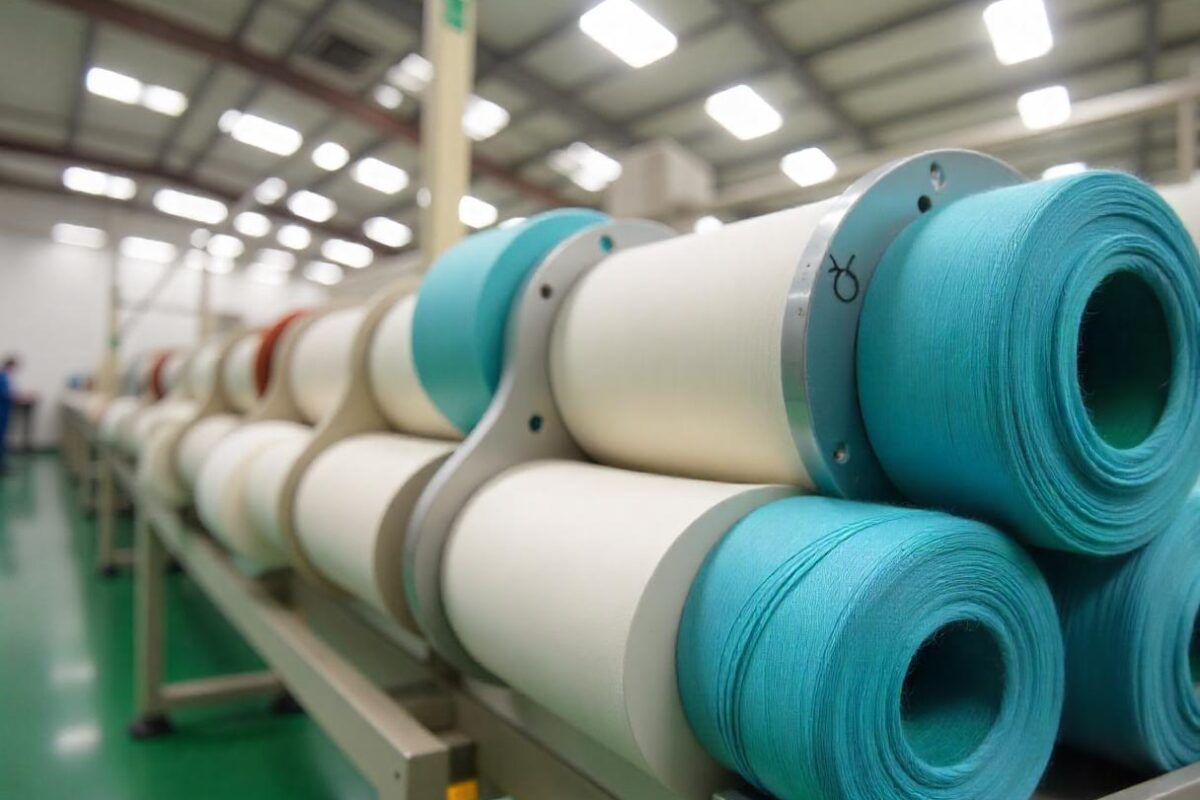
Spinning is where the magic happens—transforming loose fibers into strong, cohesive strands of yarn. Manufacturers use various spinning techniques depending on the type of sweater they want to produce:

  • Ring Spinning: Produces fine, smooth yarn ideal for luxury knitwear.
  • Open-End Spinning: Faster and more cost-effective, suitable for thicker, casual sweaters.
  • Worsted vs. Woolen Yarns: Worsted yarns are tightly spun for a sleek finish, while woolen yarns are looser and airier, perfect for trapping warmth.

Twist level is also key—too tight and the yarn becomes stiff; too loose and it may break easily.

5. Dyeing for Style and Personality

Color plays a huge role in sweater appeal. Manufacturers use two main dyeing methods:

  • Fiber Dyeing (Stock Dyeing): Fibers are dyed before spinning, allowing for rich, deep colors and heathered effects.
  • Yarn Dyeing: The spun yarn is dyed to achieve solid or patterned effects.

Eco-conscious manufacturers increasingly turn to low-impact dyes and water-saving dyeing technologies to minimize environmental harm.

6. Finishing: Enhancing Performance and Comfort

Before the yarn leaves the mill, it undergoes finishing treatments to ensure it behaves well during knitting and wearing. These may include:

  • Steam Setting: Locks in twist and shape.
  • Anti-Pilling Treatments: Reduces fuzz and keeps sweaters looking new longer.
  • Softening: Increases comfort against the skin.

This step is especially important for ensuring the final garment retains its appearance after washing and wearing.

7. Quality Control: Perfection Is Non-Negotiable

Reputable manufacturers conduct stringent quality checks at every stage—from fiber intake to final packaging. Tests may include:

  • Tensile Strength Testing: Ensures yarn can withstand knitting without breaking.
  • Colorfastness Testing: Checks that dye won’t bleed or fade prematurely.
  • Evenness Testing: Prevents weak spots that could cause garment defects.

Only yarns that pass all inspections are sent on to sweater producers.

8. From Yarn to Sweater

Once the perfect yarn is ready, it’s shipped to knitting facilities where designers and craftsmen transform it into sweaters. The yarn’s quality directly influences stitch definition, drape, and comfort. A well-crafted yarn means a sweater that’s warm, long-lasting, and visually appealing.

9. Sustainability in Modern Yarn Manufacturing

Today’s consumers care about where their clothes come from and how they’re made. Many Sweater Yarn Manufacturers are embracing sustainable practices, such as:

  • Using recycled fibers to reduce textile waste.
  • Sourcing wool from ethically raised sheep.
  • Adopting closed-loop dyeing systems to minimize water pollution.
  • Prioritizing biodegradable and low-impact materials.

These changes not only protect the planet but also resonate with eco-conscious fashion buyers.

Conclusion

From the selection of raw fibers to the final finishing touches, sweater yarn manufacturing is a blend of science, art, and craftsmanship. Every stage influences the warmth, softness, and durability of the winter wear we love. So, the next time you slip into a cozy sweater, remember—it’s not just fabric. It’s the result of a meticulous process that started in a mill and ended in your wardrobe, designed to keep you stylishly warm all season long.
How Recycled Knitting Yarn Manufacturers Are Transforming Sustainable Fashion

How Recycled Knitting Yarn Manufacturers Are Transforming Sustainable Fashion

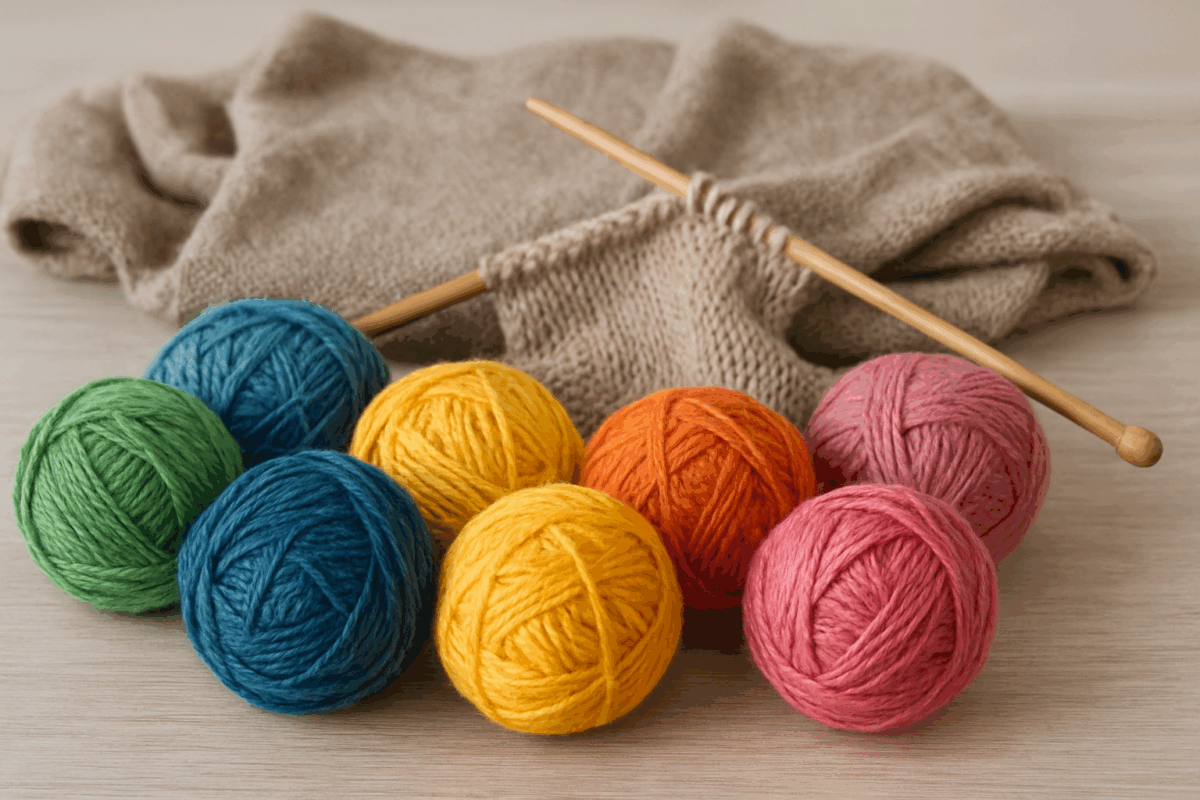
In recent years, sustainable fashion has shifted from being a niche movement to a global priority. With environmental concerns and consumer demand for eco-friendly products on the rise, the textile industry is undergoing a much-needed transformation. At the heart of this shift are Recycled Knitting Yarn Manufacturers—innovators who are turning waste into high-quality yarns that power the fashion of tomorrow.

Why Recycled Knitting Yarn Matters

The fashion industry is one of the world’s largest polluters, generating millions of tons of textile waste every year. Traditional yarn production often relies on virgin fibers, which require massive amounts of water, energy, and chemicals. Recycled knitting yarn offers a better alternative—using pre- and post-consumer textile waste to create new yarns without depleting natural resources.

By repurposing discarded garments, fabric scraps, and even PET bottles, manufacturers like KS Spinning Mills are reducing landfill waste, lowering carbon emissions, and conserving valuable resources. This makes recycled knitting yarn a win-win solution for both the environment and the fashion industry.

The Manufacturing Process

Creating recycled knitting yarn is not just about shredding old fabrics and spinning them into new threads—it’s a precise and innovative process. The journey typically involves:

  1. Collection & Sorting – Textile waste is collected and sorted by fiber type and color.
  2. Cleaning & Processing – Materials are cleaned and processed to remove impurities.
  3. Fiber Recovery – The fabrics are mechanically or chemically broken down into fibers.
  4. Spinning – These fibers are spun into yarn, ready for knitting applications.

At KS Spinning Mills, careful attention is given to maintaining yarn strength, consistency, and softness—ensuring the final product meets the needs of both fashion designers and knitwear manufacturers.

Impact on Sustainable Fashion

Recycled Knitting Yarn Manufacturers are enabling fashion brands to reduce their environmental footprint without compromising on quality or style. This has opened doors for eco-conscious collections, where garments are made entirely or partly from recycled yarn. Sweaters, scarves, cardigans, and other knitwear pieces crafted from recycled fibers not only look stylish but also tell a story of sustainability.

Fashion giants and small designers alike are embracing this shift, marketing their products with a focus on traceability, transparency, and environmental responsibility. Consumers are also responding positively, willing to pay a premium for garments that are both beautiful and planet-friendly.

Future of Recycled Knitting Yarn

The demand for recycled knitting yarn is expected to continue growing. With advancements in recycling technology, manufacturers can now produce yarns with greater durability, softer textures, and richer colors. Additionally, collaborations between yarn manufacturers and fashion brands are paving the way for closed-loop systems, where old garments are continuously recycled into new ones.

At KS Spinning Mills, our mission is clear—to contribute to a greener future by delivering premium-quality recycled knitting yarn that meets global sustainability standards. Together, we can create fashion that not only looks good but also does good for the planet.

KS Spinning Mills: Trusted Sweater Yarn Manufacturers Delivering Quality and Innovation in Every Thread

KS Spinning Mills: Trusted Sweater Yarn Manufacturers Delivering Quality and Innovation in Every Thread

When it comes to producing premium sweater yarns, KS Spinning Mills has established itself as a name synonymous with quality, consistency, and innovation. As leading Sweater Yarn Manufacturers, we cater to a wide range of global clients who demand nothing but the best for their knitwear collections.

At KS Spinning Mills, we understand the importance of superior yarn in creating high-quality sweaters that are soft, durable, and stylish. Our sweater yarns are manufactured using advanced spinning technology and carefully selected raw materials to ensure uniform texture, excellent color retention, and long-lasting performance. Whether you’re producing casual winter wear or luxury knitwear, our yarns provide the perfect base for outstanding results.

What sets KS Spinning Mills apart from other Sweater Yarn Manufacturers is our commitment to innovation and sustainability. We continuously invest in R&D to develop yarns that meet the evolving needs of fashion brands, designers, and garment manufacturers. Our offerings include a wide variety of yarn counts, blends, and finishes to suit different design preferences and functional requirements.

Our state-of-the-art production facilities and rigorous quality control processes ensure that every spool of yarn meets international standards. As customer-focused Sweater Yarn Manufacturers, we also offer customized solutions to meet specific project needs, timelines, and budgets.

KS Spinning Mills has built a reputation for excellence through years of experience, ethical manufacturing practices, and a passion for textile craftsmanship. Our yarns are not just materials—they’re the foundation of quality knitwear.

Partner With Us

Ready to work with one of the most reliable Sweater Yarn Manufacturers in the industry? Contact KS Spinning Mills today for samples, pricing, or more information.

Recycled Yarn Manufacturer

5 Reasons to Switch to Recycled Yarn Today

Introduction: In an era where sustainability is no longer optional, textile manufacturers and fashion brands are rethinking their raw materials. One of the most powerful shifts in this space is the move from virgin to Recycled Yarn—a step that not only reduces environmental impact but also adds long-term value to your brand.

Here are five compelling reasons why switching to recycled yarn is a smart move for businesses serious about sustainability.

1 – Reduce Your Environmental Footprint

Every kilogram of recycled yarn saves significant amounts of water, energy, and CO₂ emissions. For instance, recycled polyester uses up to 60% less energy and emits 30–40% less carbon dioxide than its virgin counterpart.

By making the switch, you directly contribute to conserving natural resources and combating climate change.

2 – Meet Consumer Demand for Sustainability

Modern consumers—especially Millennials and Gen Z—are prioritizing brands that make eco-conscious choices. Whether you’re in fashion, home décor, or industrial textiles, using recycled yarn gives your products a marketable edge and builds customer loyalty.

3 – Divert Waste from Landfills and Oceans

Recycled yarn is often made from post-consumer PET bottles, textile waste, and discarded industrial material. By transforming waste into high-performance textiles, you’re actively removing pollutants from the planet and promoting circular economy practices.

4 – Maintain Quality Without Compromise

Thanks to advancements in recycling and spinning technology, today’s Recycled Yarns Offer the same performance, durability, and aesthetics as virgin fibers. Whether you’re producing denim, t-shirts, upholstery, or technical fabrics, recycled yarn delivers the quality your end users expect.

5 – Strengthen Your Brand’s Reputation

Partnering with a certified recycled yarn manufacturer enhances your brand’s credibility and transparency. Certifications like GRS, OEKO-TEX, and ISO standards give your customers and investors confidence in your sustainability claims.

Conclusion:

Switching to recycled yarn isn’t just a feel-good decision—it’s a smart business strategy that aligns with global sustainability goals, market trends, and regulatory changes. If you’re looking to make your textile production cleaner, greener, and future-ready, recycled yarn is the way forward.

📞 Want to Try Our Certified Recycled Yarns?

Contact us for a sample or custom blend to fit your application.