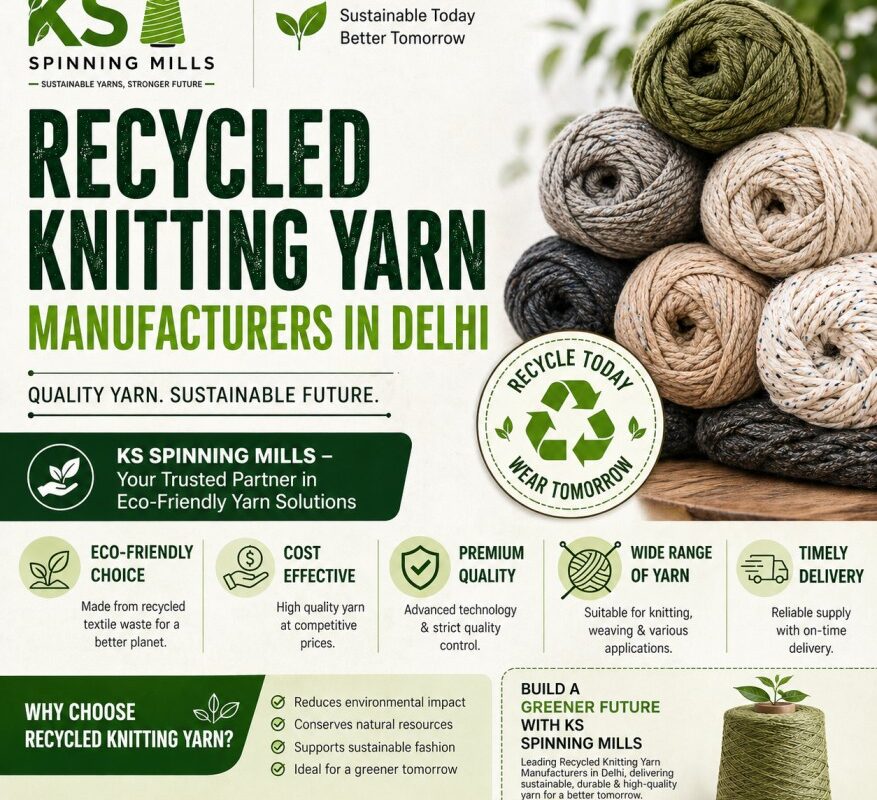
Recycled Knitting Yarn Manufacturers in Delhi – Why KS Spinning Mills is a Trusted Name

Recycled Knitting Yarn Manufacturers in Delhi – Why KS Spinning Mills is a Trusted Name

Recycled Knitting Yarn Manufacturers in Delhi – Why KS Spinning Mills is a Trusted Name

Introduction

In today’s fast-evolving textile industry, sustainability is no longer optional—it’s essential. Businesses and consumers alike are shifting towards eco-friendly alternatives, and one of the most impactful changes is the growing demand for recycled knitting yarn. If you are searching for reliable Recycled Knitting Yarn Manufacturers in Delhi, KS Spinning Mills stands out as a trusted and quality-driven name in the market.

This blog explores the importance of recycled yarn, its benefits, applications, and why KS Spinning Mills is a preferred choice for businesses across India.

What is Recycled Knitting Yarn?

Recycled knitting yarn is produced by reprocessing textile waste, fabric scraps, or used garments into new yarn. Instead of relying on fresh raw materials, manufacturers utilize sustainable processes to create high-quality yarn suitable for knitting, weaving, and textile production.

This eco-conscious approach helps:

  • Reduce textile waste
  • Save natural resources
  • Lower carbon emissions
  • Promote circular economy practices

Why Recycled Yarn is Gaining Popularity in Delhi

Delhi is one of India’s major textile hubs, with increasing awareness around sustainability and environmental responsibility. The demand for recycled knitting yarn is rising due to several reasons:

1. Environmental Benefits

Recycled yarn significantly reduces landfill waste and minimizes environmental pollution. It supports green manufacturing practices that are essential for the future.

2. Cost Efficiency

Compared to virgin yarn, recycled yarn is often more cost-effective, making it an ideal choice for bulk production.

3. Government Support

Policies encouraging sustainable manufacturing are driving textile businesses to adopt eco-friendly materials.

4. Consumer Awareness

Modern consumers prefer sustainable products, pushing brands to use recycled materials in their production.

Applications of Recycled Knitting Yarn

Recycled knitting yarn is versatile and widely used across multiple industries:

  • Garment Manufacturing (t-shirts, sweaters, activewear)
  • Home Textiles (carpets, rugs, upholstery)
  • Industrial Textiles
  • Fashion Accessories
  • Hand Knitting and Crafting

Its durability and adaptability make it suitable for both commercial and creative uses.

KS Spinning Mills – Leading Recycled Knitting Yarn Manufacturer in Delhi

When it comes to reliable recycled yarn production, KS Spinning Mills has established itself as a prominent manufacturer in Delhi. The company combines advanced technology with sustainable practices to deliver superior-quality yarn.

Key Strengths of KS Spinning Mills

1. High-Quality Standards

KS Spinning Mills ensures consistent quality by using modern machinery and strict quality control processes.

2. Sustainable Manufacturing

The company is committed to eco-friendly production, reducing waste and conserving resources.

3. Wide Product Range

They offer a diverse range of recycled knitting yarn suitable for various industrial and commercial applications.

4. Competitive Pricing

Affordable pricing makes them an ideal partner for bulk buyers and manufacturers.

5. Timely Delivery

With efficient logistics and production planning, KS Spinning Mills ensures on-time delivery for all orders.

Benefits of Choosing Recycled Knitting Yarn

Switching to recycled yarn offers multiple advantages for businesses:

✔ Eco-Friendly Production

Reduces environmental impact and supports sustainability goals.

✔ Cost Savings

Lower production costs without compromising quality.

✔ Brand Value Enhancement

Using sustainable materials improves brand reputation and attracts eco-conscious customers.

✔ Resource Conservation

Minimizes the need for raw materials like cotton and synthetic fibers.

How to Choose the Best Recycled Knitting Yarn Manufacturer in Delhi

Selecting the right manufacturer is crucial for quality and reliability. Here are key factors to consider:

1. Experience and Reputation

Choose a manufacturer with proven industry experience and positive client feedback.

2. Quality Assurance

Ensure the company follows strict quality control standards.

3. Customization Options

Look for manufacturers who can provide yarn as per your specifications.

4. Pricing and Transparency

Competitive pricing with clear terms is essential for long-term partnerships.

5. Sustainability Practices

Verify the company’s commitment to eco-friendly production.

KS Spinning Mills meets all these criteria, making it a dependable choice for businesses.Recycled Yarn vs Virgin Yarn – What’s Better?

FactorRecycled YarnVirgin Yarn
Environmental ImpactLowHigh
CostAffordableExpensive
Resource UsageMinimalHigh
SustainabilityExcellentLimited

Recycled yarn clearly offers a more sustainable and cost-effective solution for modern textile production.

Future of Recycled Knitting Yarn in India

The future of recycled knitting yarn in India looks promising. With increasing environmental concerns and stricter regulations, more businesses are expected to adopt sustainable materials.

Delhi, being a major textile hub, will continue to play a significant role in this transformation. Companies like KS Spinning Mills are leading this change by providing high-quality recycled yarn solutions.

Why KS Spinning Mills is the Right Choice

If you are looking for recycled knitting yarn manufacturers in Delhi, KS Spinning Mills offers the perfect blend of quality, affordability, and sustainability.

What sets them apart:

  • Advanced manufacturing technology
  • Eco-friendly production processes
  • Consistent product quality
  • Strong customer support
  • Bulk supply capabilities

Their commitment to excellence makes them a preferred partner for textile businesses across India.

Conclusion

The shift towards sustainable textiles is reshaping the industry, and recycled knitting yarn is at the forefront of this change. Choosing the right manufacturer is crucial to ensure quality, cost efficiency, and environmental responsibility.

KS Spinning Mills stands out as a leading recycled knitting yarn manufacturer in Delhi, offering reliable and eco-friendly solutions for modern textile needs.

If you want to reduce costs, improve sustainability, and enhance your brand value, switching to recycled knitting yarn is the right step forward.
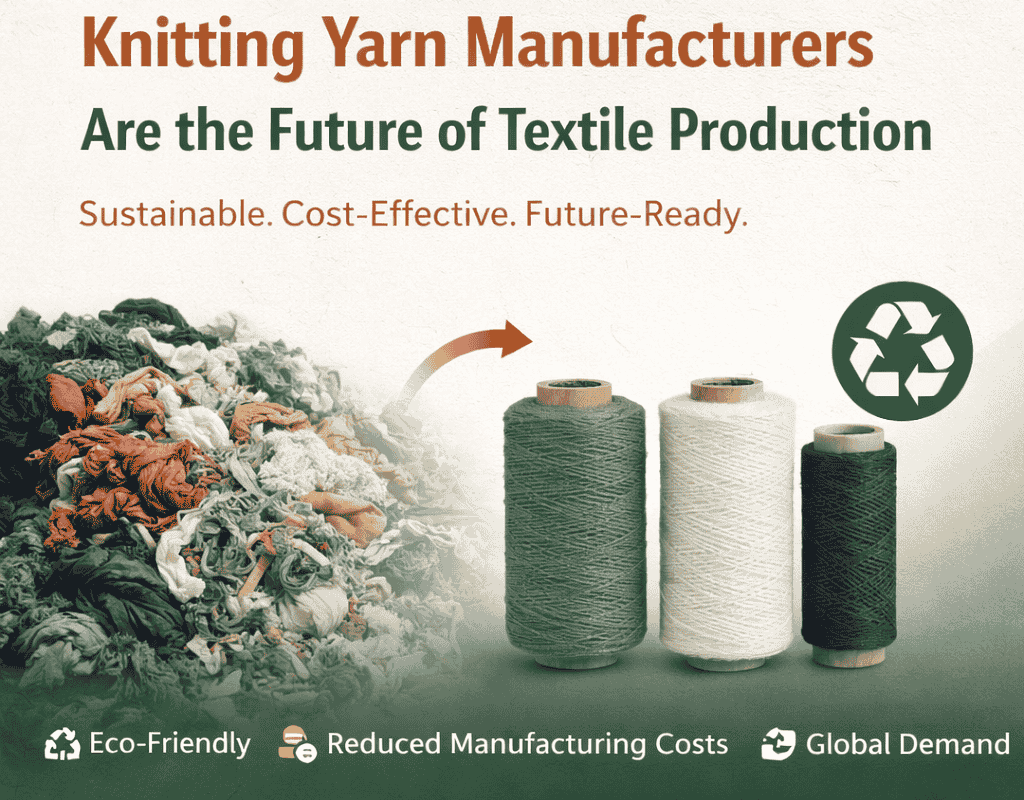
Why Leading Recycled Knitting Yarn Manufacturers Are the Future of Textile Production

Why Leading Recycled Knitting Yarn Manufacturers Are the Future of Textile Production

Why Leading Recycled Knitting Yarn Manufacturers Are the Future of Textile Production

The global textile industry is undergoing a powerful transformation. Rising environmental concerns, stricter regulations, and changing consumer expectations are reshaping how fabrics are produced. At the heart of this shift lies a crucial innovation: Recycled Knitting Yarn. Today, leading recycled knitting yarn manufacturers are not just suppliers—they are driving the future of sustainable textile production.

Companies like KS Spinning Mills are redefining yarn manufacturing by combining advanced technology, eco-conscious processes, and consistent quality. As sustainability becomes a necessity rather than a choice, recycled knitting yarn is emerging as the backbone of modern textile manufacturing.

The Growing Need for Sustainable Textile Solutions

The textile industry is one of the largest contributors to environmental pollution, consuming vast amounts of water, energy, and raw materials. Traditional yarn manufacturing relies heavily on virgin fibers, leading to resource depletion and excessive waste generation.

As governments, brands, and consumers push for sustainability, textile manufacturers are seeking alternatives that reduce environmental impact without compromising performance. This is where recycled knitting yarn plays a pivotal role. Made from recycled fibers such as post-industrial waste and post-consumer textiles, recycled yarn significantly lowers carbon emissions, conserves natural resources, and supports circular production models.

What Is Recycled Knitting Yarn?

Recycled knitting yarn is produced by reprocessing textile waste or recycled materials into high-quality yarn suitable for knitting applications. These yarns are widely used in apparel, activewear, home textiles, and accessories.

Modern recycled knitting yarn offers:

  • Excellent strength and durability
  • Consistent yarn count and texture
  • Compatibility with advanced knitting machines
  • Reduced environmental footprint

Leading manufacturers like KS Spinning Mills ensure that recycled yarn matches the quality standards of virgin yarn while delivering sustainability benefits.

Why Recycled Knitting Yarn Manufacturers Are Leading the Future

1. Supporting Circular Economy Models

Recycled knitting yarn manufacturers enable a circular economy by turning waste into valuable raw materials. Instead of discarding textile waste into landfills, it is collected, processed, and reintroduced into the production cycle.

KS Spinning Mills actively contributes to this circular approach, helping brands minimize waste while maximizing resource efficiency. This closed-loop system is becoming essential for the long-term survival of the textile industry.

2. Meeting Global Sustainability Standards

International fashion brands and textile buyers increasingly demand compliance with sustainability certifications and eco-friendly production practices. Recycled yarn manufacturers are well-positioned to meet these requirements.

By adopting responsible sourcing, efficient recycling processes, and strict quality control, manufacturers like KS Spinning Mills help their clients align with global sustainability goals while maintaining production efficiency.

3. Reducing Carbon Footprint and Resource Consumption

Recycled knitting yarn production requires significantly less water, energy, and raw materials compared to virgin yarn manufacturing. This reduction directly translates into lower carbon emissions and operational costs.

As climate change concerns grow, textile manufacturers partnering with recycled yarn suppliers gain a competitive edge by offering environmentally responsible products without sacrificing quality or scalability.

4. Innovation in Yarn Technology

The misconception that recycled yarn lacks consistency or performance is rapidly disappearing. Leading recycled knitting yarn manufacturers invest in advanced machinery, research, and process optimization.

KS Spinning Mills focuses on innovation to ensure recycled knitting yarn meets modern performance expectations—whether for soft hand-feel garments, stretchable knits, or durable fabrics. This innovation is essential for meeting the evolving needs of fashion and home textile markets.

5. Rising Demand from Fashion and Apparel Brands

Consumers are increasingly aware of how their clothing is made. Sustainability labels, recycled content, and ethical manufacturing have become key purchasing factors.

Fashion brands now prioritize suppliers who can offer traceable, eco-friendly yarn solutions. Recycled knitting yarn manufacturers are becoming strategic partners for brands looking to strengthen their sustainability credentials and appeal to environmentally conscious consumers.

Applications of Recycled Knitting Yarn

Recycled knitting yarn is highly versatile and used across multiple segments, including:

  • Apparel & Fashion: T-shirts, sweaters, dresses, and casual wear
  • Activewear & Athleisure: Performance fabrics with sustainability benefits
  • Home Textiles: Blankets, cushions, throws, and knitted furnishings
  • Accessories: Scarves, caps, and lifestyle products

With improved quality and consistency, recycled knitting yarn is now suitable for both mass-market and premium applications.

KS Spinning Mills: Driving Sustainable Textile Innovation

As a trusted name in yarn manufacturing, KS Spinning Mills stands at the forefront of recycled knitting yarn production. The company is committed to delivering high-quality, sustainable yarn solutions that meet the demands of modern textile manufacturing.

KS Spinning Mills emphasizes:

  • Eco-friendly production processes
  • Consistent yarn quality and performance
  • Industry-compliant manufacturing standards
  • Long-term partnerships with textile manufacturers

By integrating sustainability with innovation, KS Spinning Mills supports brands and manufacturers in transitioning toward responsible textile production.

The Business Advantage of Choosing Recycled Knitting Yarn

Beyond environmental benefits, recycled knitting yarn also makes strong business sense. Manufacturers gain:

  • Cost efficiency through optimized resource use
  • Improved brand reputation and market trust
  • Compliance with environmental regulations
  • Future-ready supply chains

As sustainability becomes a key differentiator, companies that adopt recycled yarn early position themselves as leaders rather than followers.

The Future of Textile Production

The future of textile production lies in responsible manufacturing, innovation, and sustainability. Recycled knitting yarn manufacturers are no longer niche suppliers—they are shaping industry standards and driving long-term change.

With growing demand, technological advancements, and strong environmental benefits, recycled knitting yarn is set to become the norm rather than the exception. Companies like KS Spinning Mills are playing a critical role in this transition, ensuring that sustainability and quality go hand in hand.

Conclusion

Leading recycled knitting yarn manufacturers represent the future of textile production by addressing environmental challenges, supporting circular economies, and delivering high-performance yarn solutions. As sustainability continues to influence consumer choices and industry regulations, recycled knitting yarn will remain at the center of textile innovation.

By partnering with forward-thinking manufacturers like KS Spinning Mills, textile brands and producers can build a greener, more responsible, and future-ready industry—one yarn at a time.

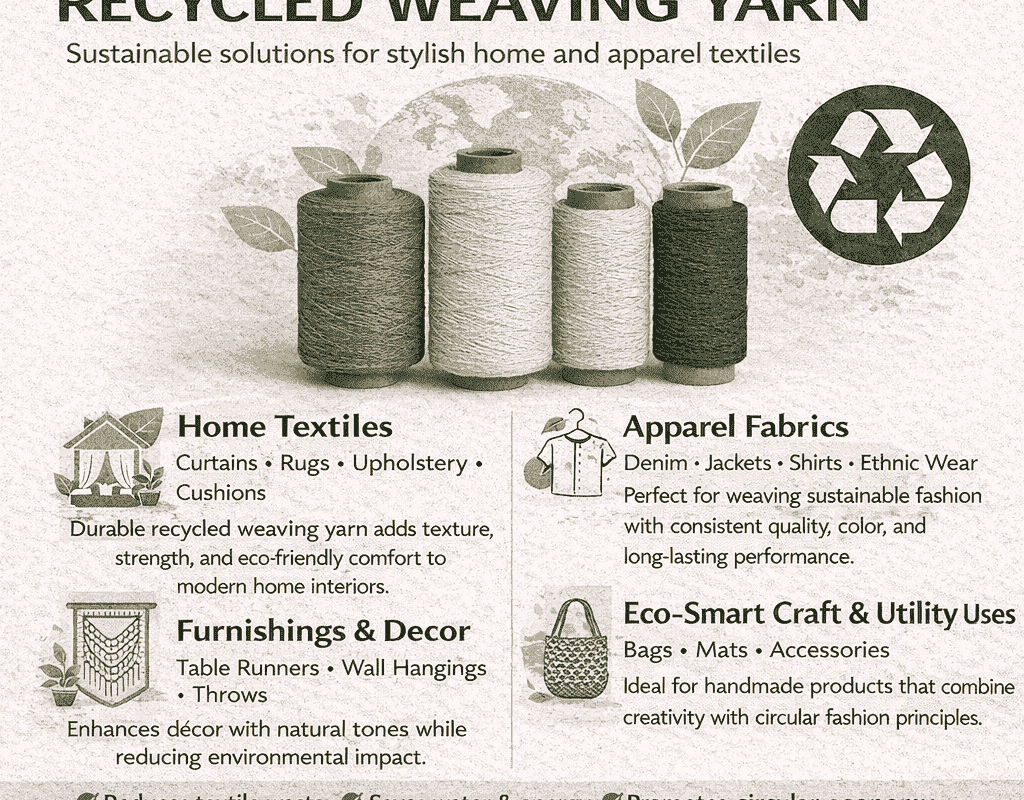
Creative Uses for Recycled Weaving Yarn in Home and Apparel Textiles

Creative Uses for Recycled Weaving Yarn in Home and Apparel Textiles

Creative Uses for Recycled Weaving Yarn in Home and Apparel Textiles

Sustainability is no longer a trend—it has become a defining principle of the modern textile industry. As manufacturers and consumers alike seek eco-friendly alternatives, recycled weaving yarn has emerged as a versatile and innovative solution. By transforming textile waste into high-quality yarn, recycled weaving yarn supports responsible production while offering endless creative possibilities in both home and apparel textiles. At the forefront of this movement is KS Spinning Mills, a trusted name in sustainable yarn manufacturing.

Understanding Recycled Weaving Yarn

Recycled weaving yarn is produced by reprocessing post-industrial or post-consumer textile waste into usable fibers that can be spun into yarn. These yarns are designed to meet the performance requirements of weaving applications while significantly reducing environmental impact.

Modern advancements in recycling and spinning technology have improved yarn strength, consistency, and appearance, making recycled weaving yarn suitable for a wide range of creative textile applications. KS Spinning Mills focuses on delivering recycled yarn that balances sustainability with quality and durability.

The Growing Demand for Sustainable Textiles

Rising awareness of environmental issues has reshaped consumer expectations. Today’s buyers actively look for products made with recycled materials and sustainable practices. Textile brands are responding by incorporating recycled yarns into their collections, not only to reduce their carbon footprint but also to tell a compelling sustainability story.

Recycled weaving yarn allows manufacturers to align with global sustainability goals while maintaining design flexibility. This shift is driving innovation across home furnishings, fashion, and lifestyle products.

Creative Applications in Home Textiles

1. Upholstery Fabrics

Recycled weaving yarn is increasingly used in upholstery fabrics for sofas, chairs, and cushions. Its durability and strength make it ideal for high-use applications, while textured finishes add a modern aesthetic.

KS Spinning Mills supplies recycled weaving yarn that supports long-lasting upholstery solutions, helping furniture manufacturers create stylish and sustainable products.

2. Curtains and Drapery

Lightweight and medium-weight recycled yarns are well-suited for curtains and drapery. They offer excellent drape, breathability, and color retention, making them both functional and visually appealing.

Using recycled weaving yarn in window furnishings helps reduce environmental impact while enhancing interior design with contemporary textures and patterns.

3. Rugs and Floor Coverings

Handwoven and machine-woven rugs made from Recycled Weaving Yarn are gaining popularity for their durability and eco-friendly appeal. These rugs combine strength with unique textures, making them ideal for residential and commercial spaces.

KS Spinning Mills ensures consistent yarn quality to support uniform weaving and long-lasting performance in floor coverings.

4. Bedding and Soft Furnishings

Recycled weaving yarn is also used in bedspreads, throws, cushion covers, and table linens. These products benefit from the yarn’s softness, breathability, and resilience, offering comfort without compromising sustainability.

Innovative Uses in Apparel Textiles

5. Casual Wear and Everyday Apparel

Recycled weaving yarn is widely used in shirts, dresses, trousers, and casual wear fabrics. With improved softness and uniformity, these yarns allow designers to create comfortable garments suitable for everyday use.

KS Spinning Mills works closely with apparel manufacturers to supply yarns that meet fashion industry standards while supporting sustainable production.

6. Denim and Structured Fabrics

Denim is one of the most resource-intensive textiles, making it an ideal candidate for recycled yarn integration. Recycled weaving yarn can be blended into denim fabrics to reduce water and energy consumption while maintaining durability.

This creative use supports eco-conscious fashion without compromising the iconic strength of denim.

7. Workwear and Utility Clothing

Recycled weaving yarn is also suitable for workwear fabrics that require strength and abrasion resistance. From uniforms to utility garments, recycled yarn contributes to long-lasting textiles that meet functional demands.

KS Spinning Mills provides yarn solutions that balance performance and sustainability for industrial and workwear applications.

8. Accessories and Lifestyle Products

Accessories such as bags, scarves, belts, and caps are perfect for showcasing Recycled Weaving Yarn. These products highlight texture, craftsmanship, and sustainability, appealing to environmentally conscious consumers.

Design Freedom and Aesthetic Versatility

One of the biggest advantages of recycled weaving yarn is its design flexibility. It can be produced in various counts, textures, and colors, enabling designers to experiment with patterns, finishes, and fabric weights.

KS Spinning Mills invests in advanced processing techniques to ensure recycled yarn meets aesthetic expectations while maintaining consistent quality.

Sustainability Benefits Beyond Aesthetics

Using recycled weaving yarn offers multiple environmental advantages, including:

  • Reduced textile waste in landfills
  • Lower water and energy consumption
  • Reduced reliance on virgin raw materials
  • Support for circular economy initiatives

These benefits make recycled weaving yarn a responsible choice for brands seeking long-term sustainability.

The Role of KS Spinning Mills in Sustainable Innovation

As a leading yarn manufacturer, KS Spinning Mills plays a key role in promoting recycled weaving yarn across home and apparel textiles. The company combines responsible sourcing, advanced technology, and quality assurance to deliver yarn solutions that meet evolving market demands.

By focusing on innovation and sustainability, KS Spinning Mills helps textile manufacturers transform creative ideas into high-quality, eco-friendly products.

Future Trends in Recycled Weaving Yarn

The future of recycled weaving yarn lies in continuous innovation. As technology improves, recycled yarns will offer even greater consistency, softness, and performance. Designers and manufacturers will continue exploring new applications, blending sustainability with creativity.

With increasing consumer demand and regulatory support, recycled weaving yarn is set to become a standard material in textile production.

Conclusion

Recycled weaving yarn opens up a world of creative possibilities in both home and apparel textiles. From upholstery and rugs to casual wear and accessories, its versatility, durability, and sustainability make it an ideal choice for modern textile manufacturing.

By partnering with trusted manufacturers like KS Spinning Mills, brands can embrace sustainable innovation without compromising on quality or design. As the textile industry evolves, recycled weaving yarn will remain a powerful tool for creating responsible, stylish, and future-ready textiles.

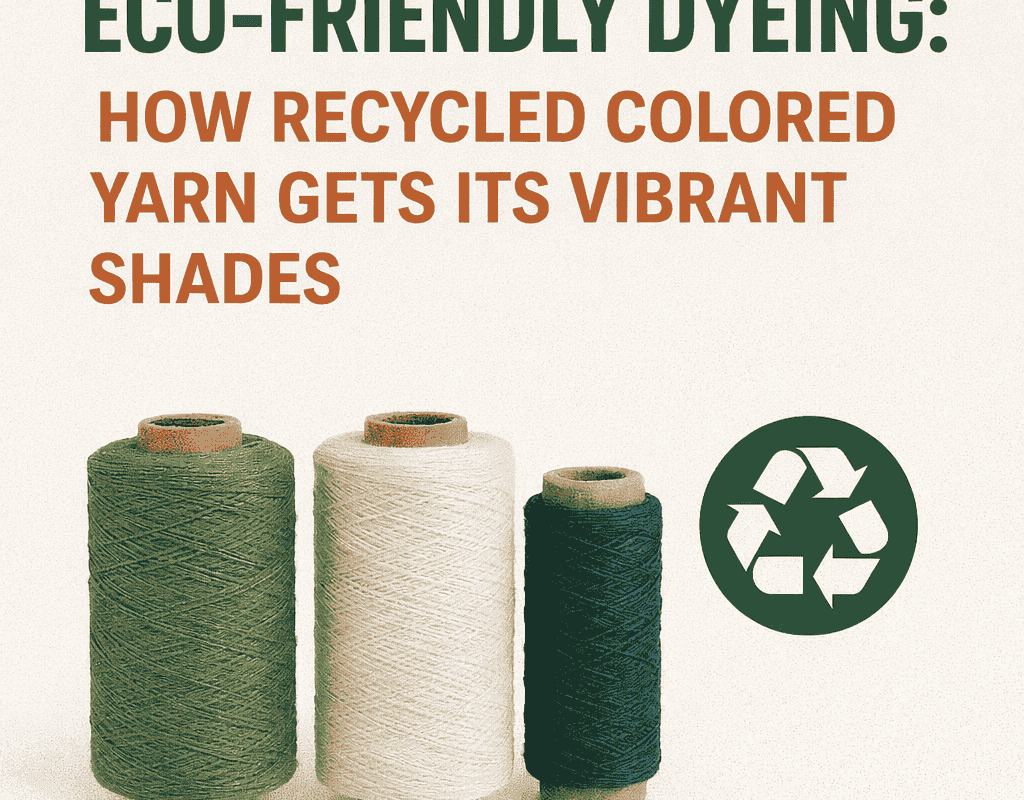
Eco-Friendly Dyeing: How Recycled Colored Yarn Gets Its Vibrant Shades

Eco-Friendly Dyeing: How Recycled Colored Yarn Gets Its Vibrant Shades

Eco-Friendly Dyeing: How Recycled Colored Yarn Gets Its Vibrant Shades

The textile industry is experiencing a major shift toward sustainability, and one of the most impactful innovations is the use of recycled colored yarn. Unlike conventional yarns that require intensive dyeing processes, recycled colored yarn offers vibrant shades while significantly reducing environmental impact. This eco-friendly approach is transforming how fashion and home textiles are produced. At the forefront of this movement is KS Spinning Mills, a trusted manufacturer committed to responsible and high-quality yarn production.

Understanding Recycled Colored Yarn

Recycled colored yarn is created by reprocessing pre-dyed textile waste or colored fibers into new yarn. Instead of dyeing fibers from scratch, manufacturers sort and blend already-colored materials, eliminating or reducing the need for traditional dyeing.

This method not only conserves water and energy but also reduces chemical usage. KS Spinning Mills focuses on precision and quality throughout this process to ensure recycled colored yarn delivers both sustainability and performance.

The Environmental Challenges of Traditional Dyeing

Conventional dyeing is one of the most resource-intensive stages in textile production. It requires large volumes of water, energy, and chemicals, often leading to wastewater pollution and high carbon emissions.

Many dyes contain substances that can harm ecosystems if not properly treated. As environmental regulations tighten and consumer awareness grows, textile manufacturers are seeking alternatives that minimize these risks. Recycled colored yarn offers a solution by drastically reducing reliance on conventional dyeing processes.

The Eco-Friendly Color Creation Process

1. Collection and Sorting of Colored Textile Waste

The journey of recycled colored yarn begins with the collection of textile waste. This waste includes pre-dyed fabric scraps and post-consumer garments.

At KS Spinning Mills, careful sorting is carried out based on color, fiber type, and quality. This step is crucial for achieving consistent shades and maintaining yarn performance.

2. Color Blending for Shade Accuracy

Once sorted, fibers of similar colors are blended to create specific shades. This blending process allows manufacturers to achieve a wide spectrum of colors without additional dyeing.

KS Spinning Mills uses advanced blending techniques to ensure color uniformity across batches. This precision is essential for fashion brands that demand consistent color reproduction.

3. Minimal or No Dyeing Requirement

Because recycled colored yarn relies on pre-dyed fibers, the need for dyeing is significantly reduced or eliminated. In some cases, light corrective dyeing may be used to fine-tune shades.

By minimizing dye usage, KS Spinning Mills reduces water consumption, energy use, and chemical discharge, making the process environmentally responsible.

Achieving Vibrant and Long-Lasting Shades

A common misconception is that Recycled Colored Yarn lacks vibrancy. In reality, modern recycling and blending techniques produce rich, long-lasting colors that meet industry standards.

KS Spinning Mills ensures that recycled colored yarn maintains excellent color fastness, resisting fading even after repeated washing and wear. This durability makes it suitable for both apparel and home textile applications.

Water and Energy Conservation Benefits

Eco-friendly dyeing through recycled colored yarn significantly lowers water and energy consumption. Traditional dyeing processes require multiple rinses and heating cycles, while recycled colored yarn bypasses most of these steps.

By reducing resource usage, KS Spinning Mills helps textile manufacturers lower their environmental footprint while maintaining production efficiency.

Reduced Chemical Usage and Pollution

Chemical dyes and auxiliary agents are a major source of textile pollution. Recycled colored yarn minimizes the need for these substances, reducing wastewater contamination.

KS Spinning Mills prioritizes responsible chemical management when minimal dyeing is required, ensuring compliance with environmental and safety standards.

Supporting Circular Economy Practices

Recycled colored yarn plays a vital role in circular economy models by extending the life cycle of textile materials. Instead of discarding colored fabrics, they are transformed into valuable yarn.

KS Spinning Mills actively supports circular textile production by converting waste into high-quality recycled yarn, helping brands achieve sustainability goals.

Meeting Fashion Industry Requirements

Fashion brands demand both sustainability and performance. Recycled colored yarn meets these expectations by offering consistent color, strength, and versatility.

KS Spinning Mills works closely with brands to supply recycled colored yarn suitable for various applications, including casual wear, activewear, denim, and home textiles.

Innovation and Technology at KS Spinning Mills

Advanced technology is key to producing high-quality recycled colored yarn. KS Spinning Mills invests in modern machinery, precise sorting systems, and strict quality control measures.

This commitment to innovation ensures that eco-friendly dyeing does not compromise on aesthetics or durability.

The Future of Eco-Friendly Dyeing

As sustainability becomes central to textile production, eco-friendly dyeing methods will continue to evolve. Recycled colored yarn is expected to play an increasingly important role in reducing the environmental impact of the fashion and textile industries.

With ongoing innovation and growing demand, manufacturers like KS Spinning Mills are shaping a future where vibrant colors and environmental responsibility go hand in hand.

Conclusion

Eco-friendly dyeing through recycled colored yarn represents a significant advancement in sustainable textile manufacturing. By minimizing water, energy, and chemical usage, this process delivers vibrant shades with a lower environmental footprint.

Through its commitment to quality, innovation, and sustainability, KS Spinning Mills demonstrates how recycled colored yarn can meet the aesthetic and performance demands of modern textiles while supporting a greener future. As the industry continues to evolve, eco-friendly dyeing will remain a cornerstone of responsible textile production.