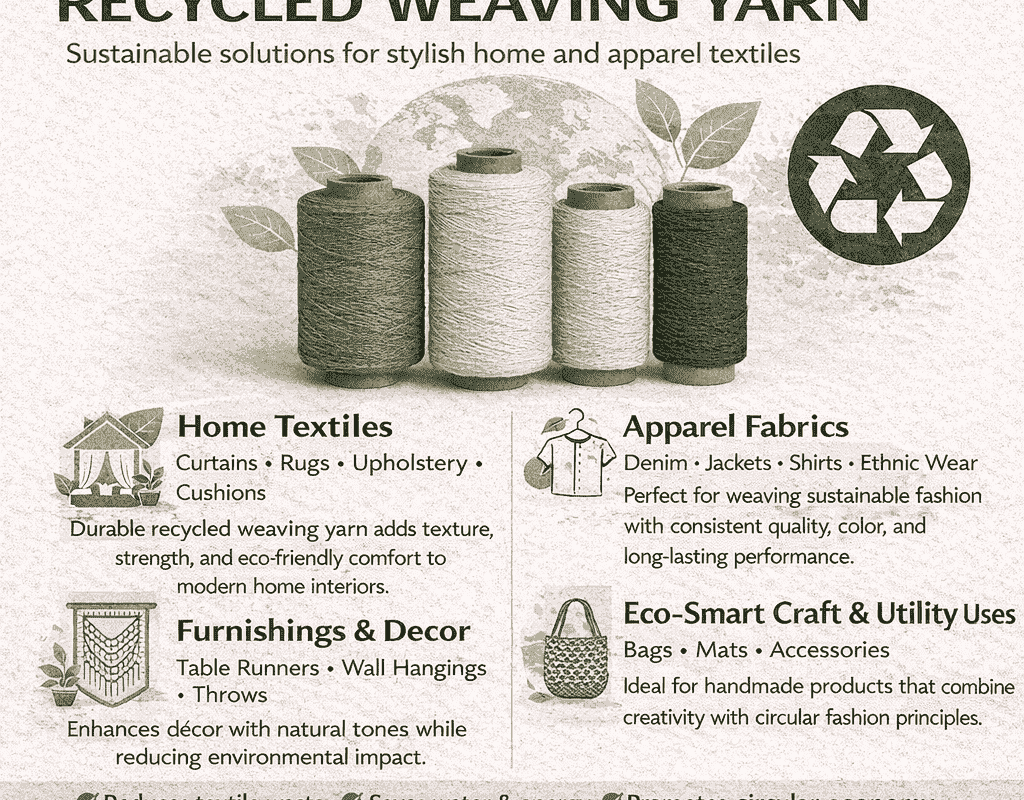
Creative Uses for Recycled Weaving Yarn in Home and Apparel Textiles

Creative Uses for Recycled Weaving Yarn in Home and Apparel Textiles

Creative Uses for Recycled Weaving Yarn in Home and Apparel Textiles

Sustainability is no longer a trend—it has become a defining principle of the modern textile industry. As manufacturers and consumers alike seek eco-friendly alternatives, recycled weaving yarn has emerged as a versatile and innovative solution. By transforming textile waste into high-quality yarn, recycled weaving yarn supports responsible production while offering endless creative possibilities in both home and apparel textiles. At the forefront of this movement is KS Spinning Mills, a trusted name in sustainable yarn manufacturing.

Understanding Recycled Weaving Yarn

Recycled weaving yarn is produced by reprocessing post-industrial or post-consumer textile waste into usable fibers that can be spun into yarn. These yarns are designed to meet the performance requirements of weaving applications while significantly reducing environmental impact.

Modern advancements in recycling and spinning technology have improved yarn strength, consistency, and appearance, making recycled weaving yarn suitable for a wide range of creative textile applications. KS Spinning Mills focuses on delivering recycled yarn that balances sustainability with quality and durability.

The Growing Demand for Sustainable Textiles

Rising awareness of environmental issues has reshaped consumer expectations. Today’s buyers actively look for products made with recycled materials and sustainable practices. Textile brands are responding by incorporating recycled yarns into their collections, not only to reduce their carbon footprint but also to tell a compelling sustainability story.

Recycled weaving yarn allows manufacturers to align with global sustainability goals while maintaining design flexibility. This shift is driving innovation across home furnishings, fashion, and lifestyle products.

Creative Applications in Home Textiles

1. Upholstery Fabrics

Recycled weaving yarn is increasingly used in upholstery fabrics for sofas, chairs, and cushions. Its durability and strength make it ideal for high-use applications, while textured finishes add a modern aesthetic.

KS Spinning Mills supplies recycled weaving yarn that supports long-lasting upholstery solutions, helping furniture manufacturers create stylish and sustainable products.

2. Curtains and Drapery

Lightweight and medium-weight recycled yarns are well-suited for curtains and drapery. They offer excellent drape, breathability, and color retention, making them both functional and visually appealing.

Using recycled weaving yarn in window furnishings helps reduce environmental impact while enhancing interior design with contemporary textures and patterns.

3. Rugs and Floor Coverings

Handwoven and machine-woven rugs made from Recycled Weaving Yarn are gaining popularity for their durability and eco-friendly appeal. These rugs combine strength with unique textures, making them ideal for residential and commercial spaces.

KS Spinning Mills ensures consistent yarn quality to support uniform weaving and long-lasting performance in floor coverings.

4. Bedding and Soft Furnishings

Recycled weaving yarn is also used in bedspreads, throws, cushion covers, and table linens. These products benefit from the yarn’s softness, breathability, and resilience, offering comfort without compromising sustainability.

Innovative Uses in Apparel Textiles

5. Casual Wear and Everyday Apparel

Recycled weaving yarn is widely used in shirts, dresses, trousers, and casual wear fabrics. With improved softness and uniformity, these yarns allow designers to create comfortable garments suitable for everyday use.

KS Spinning Mills works closely with apparel manufacturers to supply yarns that meet fashion industry standards while supporting sustainable production.

6. Denim and Structured Fabrics

Denim is one of the most resource-intensive textiles, making it an ideal candidate for recycled yarn integration. Recycled weaving yarn can be blended into denim fabrics to reduce water and energy consumption while maintaining durability.

This creative use supports eco-conscious fashion without compromising the iconic strength of denim.

7. Workwear and Utility Clothing

Recycled weaving yarn is also suitable for workwear fabrics that require strength and abrasion resistance. From uniforms to utility garments, recycled yarn contributes to long-lasting textiles that meet functional demands.

KS Spinning Mills provides yarn solutions that balance performance and sustainability for industrial and workwear applications.

8. Accessories and Lifestyle Products

Accessories such as bags, scarves, belts, and caps are perfect for showcasing Recycled Weaving Yarn. These products highlight texture, craftsmanship, and sustainability, appealing to environmentally conscious consumers.

Design Freedom and Aesthetic Versatility

One of the biggest advantages of recycled weaving yarn is its design flexibility. It can be produced in various counts, textures, and colors, enabling designers to experiment with patterns, finishes, and fabric weights.

KS Spinning Mills invests in advanced processing techniques to ensure recycled yarn meets aesthetic expectations while maintaining consistent quality.

Sustainability Benefits Beyond Aesthetics

Using recycled weaving yarn offers multiple environmental advantages, including:

  • Reduced textile waste in landfills
  • Lower water and energy consumption
  • Reduced reliance on virgin raw materials
  • Support for circular economy initiatives

These benefits make recycled weaving yarn a responsible choice for brands seeking long-term sustainability.

The Role of KS Spinning Mills in Sustainable Innovation

As a leading yarn manufacturer, KS Spinning Mills plays a key role in promoting recycled weaving yarn across home and apparel textiles. The company combines responsible sourcing, advanced technology, and quality assurance to deliver yarn solutions that meet evolving market demands.

By focusing on innovation and sustainability, KS Spinning Mills helps textile manufacturers transform creative ideas into high-quality, eco-friendly products.

Future Trends in Recycled Weaving Yarn

The future of recycled weaving yarn lies in continuous innovation. As technology improves, recycled yarns will offer even greater consistency, softness, and performance. Designers and manufacturers will continue exploring new applications, blending sustainability with creativity.

With increasing consumer demand and regulatory support, recycled weaving yarn is set to become a standard material in textile production.

Conclusion

Recycled weaving yarn opens up a world of creative possibilities in both home and apparel textiles. From upholstery and rugs to casual wear and accessories, its versatility, durability, and sustainability make it an ideal choice for modern textile manufacturing.

By partnering with trusted manufacturers like KS Spinning Mills, brands can embrace sustainable innovation without compromising on quality or design. As the textile industry evolves, recycled weaving yarn will remain a powerful tool for creating responsible, stylish, and future-ready textiles.
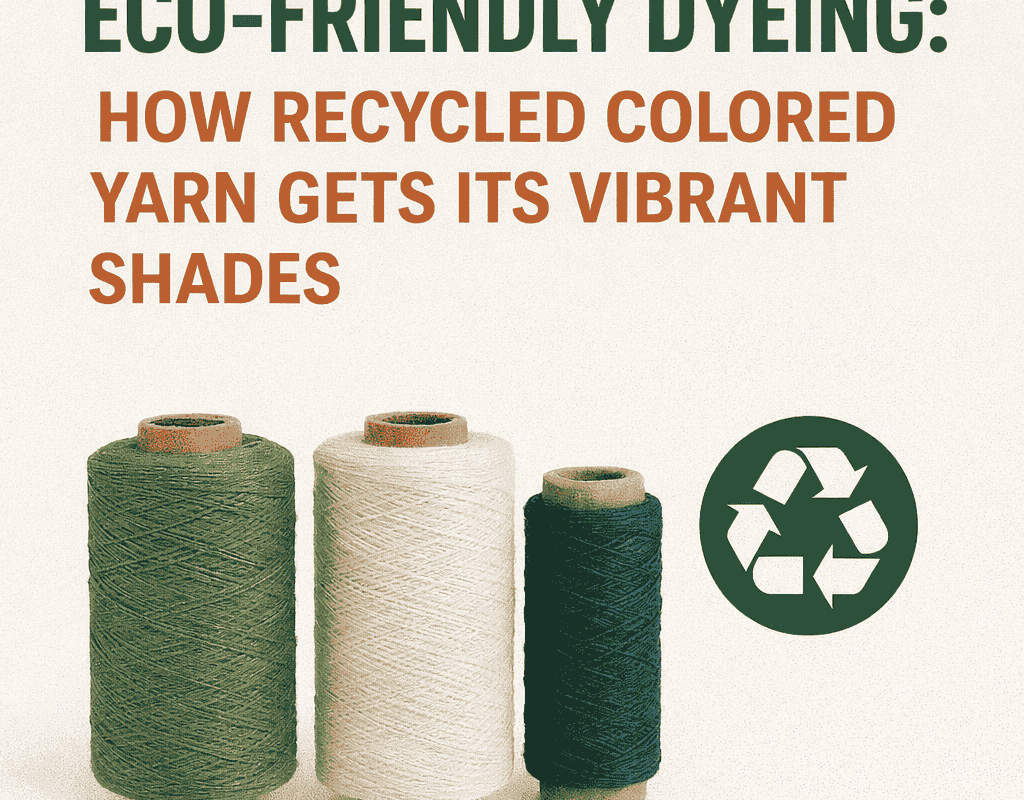
Eco-Friendly Dyeing: How Recycled Colored Yarn Gets Its Vibrant Shades

Eco-Friendly Dyeing: How Recycled Colored Yarn Gets Its Vibrant Shades

Eco-Friendly Dyeing: How Recycled Colored Yarn Gets Its Vibrant Shades

The textile industry is experiencing a major shift toward sustainability, and one of the most impactful innovations is the use of recycled colored yarn. Unlike conventional yarns that require intensive dyeing processes, recycled colored yarn offers vibrant shades while significantly reducing environmental impact. This eco-friendly approach is transforming how fashion and home textiles are produced. At the forefront of this movement is KS Spinning Mills, a trusted manufacturer committed to responsible and high-quality yarn production.

Understanding Recycled Colored Yarn

Recycled colored yarn is created by reprocessing pre-dyed textile waste or colored fibers into new yarn. Instead of dyeing fibers from scratch, manufacturers sort and blend already-colored materials, eliminating or reducing the need for traditional dyeing.

This method not only conserves water and energy but also reduces chemical usage. KS Spinning Mills focuses on precision and quality throughout this process to ensure recycled colored yarn delivers both sustainability and performance.

The Environmental Challenges of Traditional Dyeing

Conventional dyeing is one of the most resource-intensive stages in textile production. It requires large volumes of water, energy, and chemicals, often leading to wastewater pollution and high carbon emissions.

Many dyes contain substances that can harm ecosystems if not properly treated. As environmental regulations tighten and consumer awareness grows, textile manufacturers are seeking alternatives that minimize these risks. Recycled colored yarn offers a solution by drastically reducing reliance on conventional dyeing processes.

The Eco-Friendly Color Creation Process

1. Collection and Sorting of Colored Textile Waste

The journey of recycled colored yarn begins with the collection of textile waste. This waste includes pre-dyed fabric scraps and post-consumer garments.

At KS Spinning Mills, careful sorting is carried out based on color, fiber type, and quality. This step is crucial for achieving consistent shades and maintaining yarn performance.

2. Color Blending for Shade Accuracy

Once sorted, fibers of similar colors are blended to create specific shades. This blending process allows manufacturers to achieve a wide spectrum of colors without additional dyeing.

KS Spinning Mills uses advanced blending techniques to ensure color uniformity across batches. This precision is essential for fashion brands that demand consistent color reproduction.

3. Minimal or No Dyeing Requirement

Because recycled colored yarn relies on pre-dyed fibers, the need for dyeing is significantly reduced or eliminated. In some cases, light corrective dyeing may be used to fine-tune shades.

By minimizing dye usage, KS Spinning Mills reduces water consumption, energy use, and chemical discharge, making the process environmentally responsible.

Achieving Vibrant and Long-Lasting Shades

A common misconception is that Recycled Colored Yarn lacks vibrancy. In reality, modern recycling and blending techniques produce rich, long-lasting colors that meet industry standards.

KS Spinning Mills ensures that recycled colored yarn maintains excellent color fastness, resisting fading even after repeated washing and wear. This durability makes it suitable for both apparel and home textile applications.

Water and Energy Conservation Benefits

Eco-friendly dyeing through recycled colored yarn significantly lowers water and energy consumption. Traditional dyeing processes require multiple rinses and heating cycles, while recycled colored yarn bypasses most of these steps.

By reducing resource usage, KS Spinning Mills helps textile manufacturers lower their environmental footprint while maintaining production efficiency.

Reduced Chemical Usage and Pollution

Chemical dyes and auxiliary agents are a major source of textile pollution. Recycled colored yarn minimizes the need for these substances, reducing wastewater contamination.

KS Spinning Mills prioritizes responsible chemical management when minimal dyeing is required, ensuring compliance with environmental and safety standards.

Supporting Circular Economy Practices

Recycled colored yarn plays a vital role in circular economy models by extending the life cycle of textile materials. Instead of discarding colored fabrics, they are transformed into valuable yarn.

KS Spinning Mills actively supports circular textile production by converting waste into high-quality recycled yarn, helping brands achieve sustainability goals.

Meeting Fashion Industry Requirements

Fashion brands demand both sustainability and performance. Recycled colored yarn meets these expectations by offering consistent color, strength, and versatility.

KS Spinning Mills works closely with brands to supply recycled colored yarn suitable for various applications, including casual wear, activewear, denim, and home textiles.

Innovation and Technology at KS Spinning Mills

Advanced technology is key to producing high-quality recycled colored yarn. KS Spinning Mills invests in modern machinery, precise sorting systems, and strict quality control measures.

This commitment to innovation ensures that eco-friendly dyeing does not compromise on aesthetics or durability.

The Future of Eco-Friendly Dyeing

As sustainability becomes central to textile production, eco-friendly dyeing methods will continue to evolve. Recycled colored yarn is expected to play an increasingly important role in reducing the environmental impact of the fashion and textile industries.

With ongoing innovation and growing demand, manufacturers like KS Spinning Mills are shaping a future where vibrant colors and environmental responsibility go hand in hand.

Conclusion

Eco-friendly dyeing through recycled colored yarn represents a significant advancement in sustainable textile manufacturing. By minimizing water, energy, and chemical usage, this process delivers vibrant shades with a lower environmental footprint.

Through its commitment to quality, innovation, and sustainability, KS Spinning Mills demonstrates how recycled colored yarn can meet the aesthetic and performance demands of modern textiles while supporting a greener future. As the industry continues to evolve, eco-friendly dyeing will remain a cornerstone of responsible textile production.

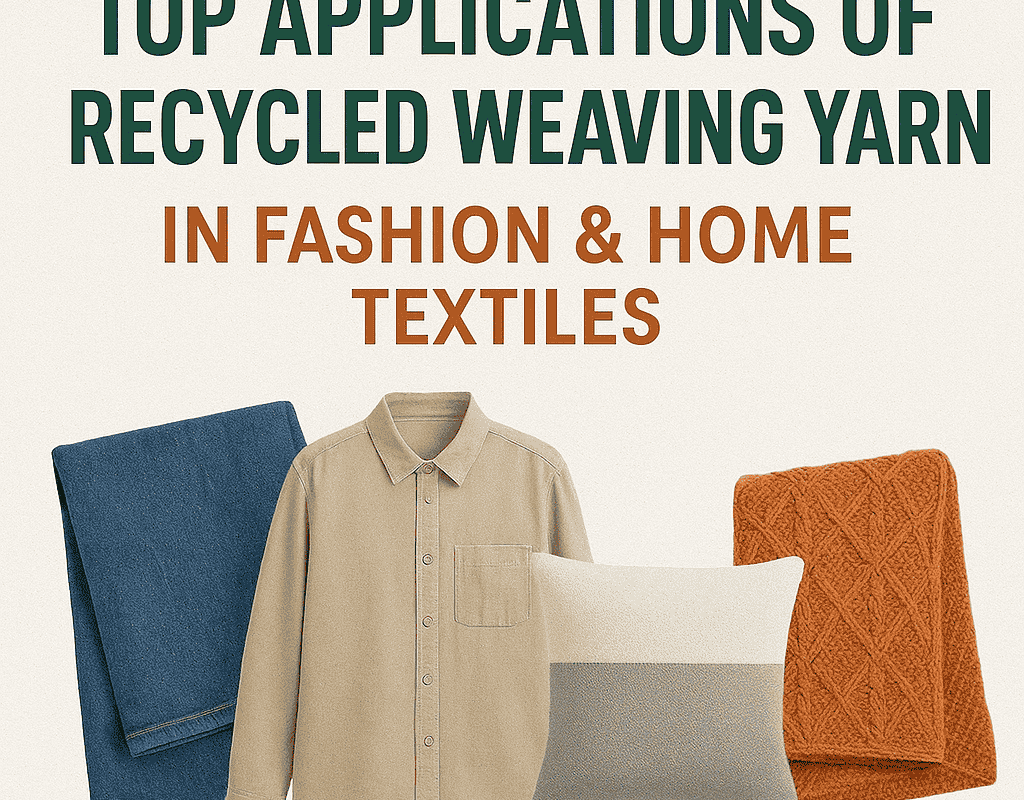
Top Applications of Recycled Weaving Yarn in Fashion & Home Textiles

Top Applications of Recycled Weaving Yarn in Fashion & Home Textiles

Top Applications of Recycled Weaving Yarn in Fashion & Home Textiles

As global demand for sustainable materials continues to grow, recycled weaving yarn has emerged as a game-changer for both the fashion and home textile industries. Brands, manufacturers, and designers are increasingly turning to recycled yarns not only to reduce environmental impact but also to unlock creative possibilities that were previously limited by traditional yarn types.

Recycled weaving yarn, produced from textile waste, industrial scraps, and post-consumer materials like PET bottles or old garments, is now considered one of the fastest-growing sustainable raw materials worldwide. Its ability to combine durability, aesthetics, and eco-responsibility has expanded its applications across diverse textile categories.

This article explores the top applications of recycled weaving yarn in fashion and home textiles, along with insights on why industries are embracing it in 2025 and beyond.

Why Recycled Weaving Yarn Is Rising in Popularity

Before diving into the applications, it’s important to understand why recycled yarns are becoming essential:

  • Reduced environmental footprint compared to virgin yarn
  • Lower water and energy consumption
  • Decreased landfill waste through fiber recovery
  • Improved technology & better-quality recycled fibers
  • High demand from sustainable fashion brands
  • Consumer preference for eco-friendly products

With all these advantages, recycled weaving yarn has become suitable for numerous textile categories — from everyday clothing to premium interior décor.

Top Applications of Recycled Weaving Yarn in Fashion

1. Apparel Fabrics for Sustainable Clothing Lines

One of the largest and fastest-growing applications of recycled weaving yarn is fashion apparel fabrics. Brands are adopting recycled yarns to make:

  • Shirts
  • Dresses
  • Trousers
  • Blouses
  • Ethnic wear
  • Casualwear & streetwear
  • Outerwear shells

Recycled yarn-based woven fabrics offer excellent breathability, durability, and texture. With advanced spinning and blending technologies, manufacturers now create smooth, soft fabrics with high strength — making recycled yarns ideal for everyday fashion collections.

Why brands choose recycled yarns for apparel:
✔ Lower carbon footprint
✔ Soft texture comparable to virgin fibers
✔ Stylish natural heathered look
✔ Suitable for dyeing and printing
✔ Works well in blends (cotton + polyester + recycled fibers)

2. Denim & Bottomwear Fabrics

The denim industry is one of the biggest adopters of recycled yarn because:

  • It reduces cotton usage (which requires huge amounts of water).
  • It offers the same rugged feel as virgin denim yarn.
  • Recycled PET blends increase tensile strength.

Manufacturers now weave denim made from:

  • Recycled cotton
  • Recycled polyester
  • Post-consumer jeans

This helps brands reduce waste while creating modern, eco-friendly jeans, skirts, shorts, and jackets.

3. Eco-Friendly Sportswear & Athleisure

Sportswear requires strong, flexible, breathable fabrics — and recycled yarns meet these requirements through engineered blends.

Recycled polyester made from PET bottles is widely used to weave:

  • Track pants
  • Joggers
  • Sports shorts
  • Lightweight jackets
  • Athleisure tops

These fabrics offer:

  • High moisture-wicking properties
  • Strength and durability
  • Stretch (when blended with elastane)

Recycled weaving yarn allows brands to produce activewear with minimal environmental harm while maintaining performance.

4. Sustainable Fashion Accessories

Recycled weaving yarn is also used in accessories like:

  • Scarves
  • Stoles
  • Bags
  • Caps
  • Belts
  • Wallets

The textured, natural look of recycled fibers gives accessories a unique aesthetic appeal. Brands that focus on handcrafted or artisanal collections especially benefit from using recycled yarn due to its organic, eco-conscious story.

Top Applications of Recycled Weaving Yarn in Home Textiles

5. Upholstery Fabrics

One of the strongest applications in home textiles is upholstery. Recycled yarn-based woven fabrics are widely used for:

  • Sofas
  • Cushions
  • Chairs
  • Ottomans

These fabrics are engineered to provide:

  • High durability
  • Abrasion resistance
  • Resistance to fading
  • Aesthetic grain and texture

Recycled polyester and recycled cotton blends offer premium performance at a reduced environmental cost — making them ideal for furniture manufacturers.

6. Curtains & Draperies

Recycled weaving yarn is perfect for woven curtains and drapes due to its:

  • Soft fall
  • Smooth texture
  • Light-blocking capability (when blended right)
  • Ability to hold vibrant dyes

Home décor brands increasingly specify recycled yarn blends in their eco-friendly interior collections to appeal to conscious homeowners.

7. Bed Linens & Bedroom Textiles

Recycled cotton and blended recycled fibers are becoming popular for:

  • Bedsheets
  • Pillow covers
  • Comforters
  • Blankets

These fabrics offer:

  • Breathability
  • Softness
  • Hypoallergenic properties
  • High durability

Premium hotel suppliers also prefer recycled-based fabrics to meet global sustainability certifications.

8. Rugs, Carpets & Floor Textiles

Floor textiles require tough woven structures — something recycled yarns excel at, especially recycled polyester and nylon blends.

Applications include:

  • Area rugs
  • Door mats
  • Floor runners
  • Carpet tiles

These fabrics withstand heavy foot traffic while showcasing beautiful patterns and textures.

9. Table Linen & Dining Textiles

Recycled yarn is increasingly used in woven:

  • Table mats
  • Tablecloths
  • Runners
  • Napkins

These products benefit from:

  • Easy washability
  • Stain resistance (in polyester blends)
  • Fabric longevity

This category is popular among eco-conscious restaurants and home décor brands.

Emerging Applications in 2025 & Beyond

As recycling technologies evolve, several new applications are growing rapidly:

10. Industrial & Technical Textiles

Recycled yarn is now entering sectors like:

  • Automotive interiors
  • Seat belts
  • Industrial filters
  • Protective fabrics
  • Reinforcement fabrics

Its strength, durability, and cost-efficiency make it ideal for large-scale industrial use.

11. Luxury Textiles

Premium brands are experimenting with:

  • Recycled silk blends
  • Recycled fine cotton
  • Recycled wool

This segment is expected to boom as top fashion houses focus on circular materials.

12. Zero-Waste Home Textile Collections

Manufacturers are developing entire décor lines using recycled yarns, offering:

  • Coordinated cushion + curtain + upholstery sets
  • Sustainable bedding bundles
  • Recycled fiber décor accessories

These collections appeal strongly to modern consumers seeking eco-friendly homes.

Why Recycled Weaving Yarn Will Dominate Future Textiles

Across all fashion and home textile categories, the shift to recycled yarns is driven by:

  • Environmental responsibility
  • International sustainability certifications (GRS, RCS)
  • Brand commitments to circularity
  • Growing consumer awareness
  • Government regulations on waste management

With rising concerns about textile waste and climate impact, the demand for recycled weaving yarn will continue to surge — making it the backbone of future textile innovation.

Final Thoughts

Recycled weaving yarn is no longer an alternative — it is becoming the standard for sustainable textile manufacturing. From fashion garments and accessories to upholstery, bedding, and industrial textiles, its applications are expanding faster than ever.

Brands that embrace recycled weaving yarn today not only reduce their environmental footprint but also future-proof their products for a market that increasingly values sustainability.

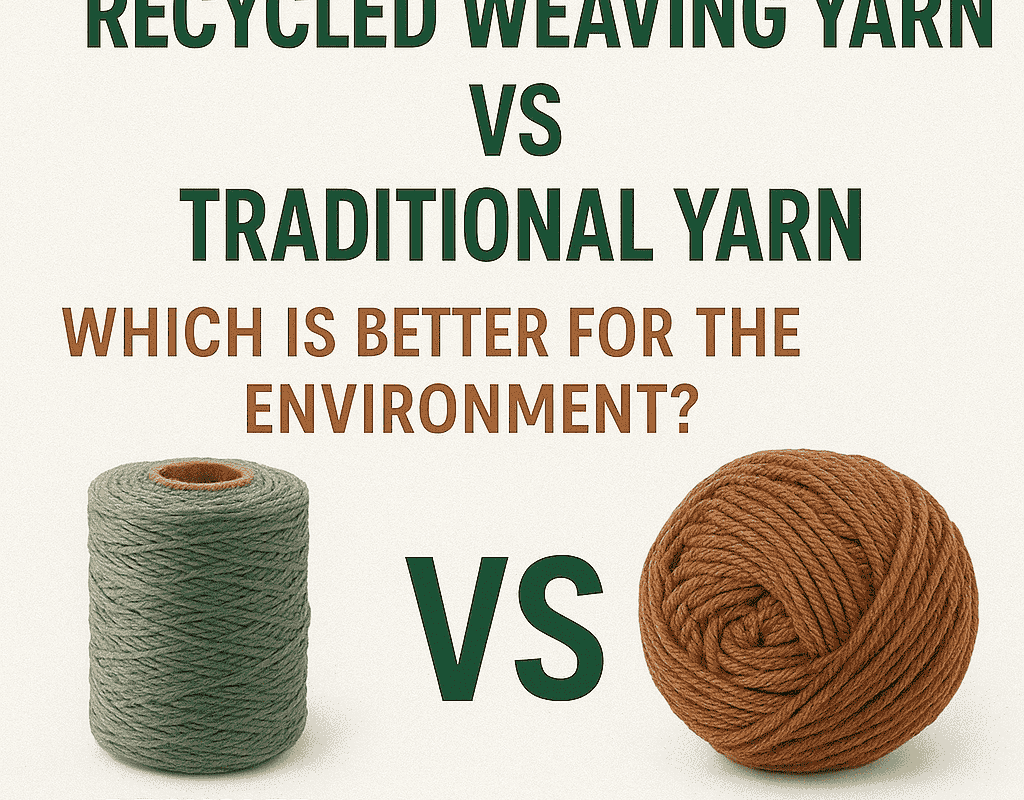
Recycled Weaving Yarn vs Traditional Yarn: Which Is Better for the Environment?

Recycled Weaving Yarn vs Traditional Yarn: Which Is Better for the Environment?

Recycled Weaving Yarn vs Traditional Yarn: Which Is Better for the Environment?

As sustainability becomes a defining priority in the textile and fashion industries, one debate continues to attract attention — Recycled Weaving Yarn vs Traditional Yarn. Both play important roles in fabric manufacturing, but the question remains: Which option is truly better for the environment?

To answer this, we need to compare their raw materials, production processes, environmental impacts, and long-term effects on the planet. This comprehensive analysis breaks down the science, economics, and sustainability factors shaping the future of yarn manufacturing.

Understanding the Basics: What Makes Each Yarn Type Different?

Traditional Yarn

Traditional yarn is produced from virgin fibers, which include:

  • Cotton (grown through resource-intensive agriculture)
  • Polyester (derived from petroleum)
  • Wool (animal-based, but requires land, water, and processing chemicals)
  • Other natural & synthetic fibers

Traditional yarn delivers predictable quality and performance, but it comes at a significant environmental cost due to:

  • High water usage
  • Fertilizers and pesticides
  • Fossil-fuel extraction
  • Greenhouse gas emissions
  • Chemical-heavy processing

Recycled Weaving Yarn

Recycled weaving yarn is made using post-consumer or post-industrial textile waste, including:

  • Old garments
  • Fabric cutting waste
  • PET bottles (for recycled polyester)
  • Industrial fiber leftovers

These materials are collected, sorted, processed, shredded, and re-spun into new yarns suitable for woven fabrics.

1. Raw Material Sourcing: Which Option Is Greener?

Traditional Yarn: High Environmental Footprint

Producing virgin fibers requires enormous natural resources.

  • Cotton farming consumes thousands of liters of water per kilogram.
  • Polyester production relies heavily on crude oil extraction.
  • Wool and silk require land, feed, and significant processing.

The environmental cost begins before yarn production even starts.

Recycled Weaving Yarn: Reducing Waste & Saving Resources

Recycled yarn uses existing waste, which means:

  • No extra farming
  • No additional oil extraction
  • No new mining or chemical-intensive raw material production

Winner: Recycled Weaving Yarn, because it reduces the demand for virgin resources and diverts waste from landfills.

2. Energy Consumption: Which Yarn Uses Less Energy?

Traditional Yarn

Virgin fiber production requires:

  • Heavy machinery
  • Processing chemicals
  • High heat and energy for spinning and finishing
  • Long transportation chains

All of this contributes to higher carbon footprints.

Recycled Weaving Yarn

Depending on the recycling method:

  • Mechanical recycling uses significantly less energy than producing virgin fibers.
  • Chemical recycling, though energy-intensive, still generally produces lower total emissions due to reduced raw material extraction.

Studies across multiple material types (PET, cotton, nylon) indicate that recycled fibers typically use 30%–70% less energy than virgin ones.

Winner: Recycled Weaving Yarn, due to lower overall energy consumption.

3. Water Usage: A Critical Global Concern

Traditional Yarn

Water use is one of the biggest environmental issues:

  • Cotton requires heavy irrigation
  • Wool processing uses large volumes of hot water
  • Dyeing and finishing consume additional water

A single cotton T-shirt can require more than 2,700 liters of water to produce.

Recycled Weaving Yarn

Recycling requires:

  • Minimal to no agricultural water
  • Less water in processing
  • In some cases, nearly zero additional water for raw material extraction

Winner: Recycled Weaving Yarn, with far lower water usage.

4. Waste Management & Landfill Reduction

Traditional Yarn

Traditional yarn does not directly address textile waste.
Unused fabric scraps, fast-fashion garments, and damaged materials commonly end up in:

  • Landfills
  • Incinerators
  • Dumping grounds

Textile waste breakdown releases methane, microplastics, and toxins.

Recycled Weaving Yarn

Recycling yarn intercepts waste before it reaches landfills.

  • Old garments are shredded into fiber
  • PET bottles are turned into polyester
  • Cutting waste is reprocessed into usable yarn

This supports a circular economy, where materials are kept in use longer.

Winner: Recycled Weaving Yarn, because it actively reduces waste.

5. Chemical Use & Environmental Safety

Traditional Yarn

Virgin fiber processing involves chemicals such as:

  • Bleaches
  • Dyes
  • Pesticides (for cotton)
  • Resins
  • Softening agents

Many of these chemicals pollute water bodies and soil.

Recycled Weaving Yarn

While chemicals may still be used in:

  • Color sorting
  • Fiber treatment
  • Dyeing

The total volume is generally lower than virgin fiber production.

Additionally, many recyclers use closed-loop processes, which recapture chemicals and reduce pollution.

Winner: Recycled Weaving Yarn, with fewer chemical impacts overall.

6. Performance & Durability: Does Sustainability Compromise Quality?

Traditional Yarn

Virgin fibers typically offer:

  • Higher tensile strength
  • More consistent quality
  • Longer fiber lengths
  • Predictable performance

This makes them suitable for premium textiles and high-performance fabrics.

Recycled Weaving Yarn

Earlier recycled yarns had limitations:

  • Shorter fibers
  • Rougher textures
  • Lower strength

However, 2024–2025 innovations have changed this dramatically:

  • Better sorting
  • Advanced blending
  • Improved spinning technology
  • Higher fiber purity

Modern recycled yarns now match (or exceed) virgin fibers in:

  • Softness
  • Durability
  • Consistency
  • Dye uptake

Winner: Tie
Both provide strong performance, depending on the application.

7. Cost Comparison: Is Recycled Yarn More Expensive?

Traditional Yarn

Traditional yarn prices:

  • Depend on raw material availability
  • Fluctuate due to global markets
  • Can be cheap at scale, especially for polyester

Recycled Yarn

Recycled yarn can be:

  • Slightly more expensive due to processing
  • Cheaper when waste feedstock is abundant
  • More stable in price because it doesn’t rely on raw resource volatility

With growing demand, recycled yarn costs have decreased significantly in recent years.

Winner: Depends on region & scale, but recycled yarn offers better long-term value due to environmental savings.

8. Long-Term Environmental Impact

When comparing both yarns across their lifecycle — from raw material sourcing to end-of-life — recycled weaving yarn consistently offers lower environmental burden.

Traditional Yarn

  • High water use
  • Dependence on fossil fuels
  • Agricultural impact
  • High energy consumption
  • Waste generation

Recycled Weaving Yarn

  • Diverts waste
  • Reduces emissions
  • Uses less water
  • Conserves resources
  • Supports circular manufacturing

Winner: Recycled Weaving Yarn, with a significantly smaller ecological footprint.

Final Verdict: Which Is Better for the Environment?

After evaluating all environmental factors — from raw materials and water use to energy consumption, waste management, and long-term impact — the winner is clear:

Recycled Weaving Yarn is far better for the environment than traditional yarn.

It:

  • Cuts down on waste
  • Reduces dependence on virgin resources
  • Uses less water and energy
  • Supports a circular economy
  • Helps brands meet sustainability goals

While traditional yarn remains essential for certain applications, the global textile industry is moving toward recycled-first manufacturing — and for good reason.