KS Spinning Mills: Leading the Charge in Sustainable Yarn Manufacturing

KS Spinning Mills: Leading the Charge in Sustainable Yarn Manufacturing

The textile industry, known for its significant environmental footprint, is undergoing a major transformation, and Sustainable Yarn Manufacturing is at the forefront of this change. As consumers and businesses alike demand more eco-friendly products, manufacturers are stepping up to meet the challenge. KS Spinning Mills, a prominent name in the industry, has been playing a key role in producing sustainable yarns through the use of innovative technologies and eco-conscious practices. In this blog, we explore the Top 10 Sustainable Yarn Manufacturers that are leading the way in transforming the textile sector with their eco-friendly approaches, and we’ll also highlight how KS Spinning Mills is contributing to this movement.

1. KS Spinning Mills: Innovating for a Sustainable Future

As a trailblazer in sustainable yarn manufacturing, KS Spinning Mills has committed itself to integrating eco-friendly practices at every level of production. From sourcing organic cotton to utilizing recycled polyester yarns made from post-consumer waste, the company has taken significant steps toward reducing the environmental impact of its products.

In addition to sourcing sustainable fibers, KS Spinning Mills has adopted water-saving technologies and energy-efficient systems, reducing the carbon footprint of its production process. The company also uses eco-friendly dyes that require less water and fewer chemicals, further enhancing the sustainability of its yarn production.

By focusing on recycling and closing the loop in production processes, KS Spinning Mills ensures that materials are repurposed rather than discarded, contributing to a more sustainable and circular economy. This holistic approach places them at the forefront of sustainable yarn manufacturing and showcases their commitment to eco-conscious business practices.

2. Bertozzi

Bertozzi is an Italian company that has been gaining recognition for its sustainable yarn production. The company specializes in producing yarns from post-consumer waste, including plastic bottles and other recyclable materials. They have pioneered the use of recycled polyester yarns, which help reduce the need for virgin plastic production and keep plastic waste out of landfills.

Bertozzi is also known for its innovative methods of blending recycled fibers with natural fibers, creating yarns that are not only eco-friendly but also soft, durable, and suitable for high-end fashion and interior textiles. By embracing sustainable materials and reducing waste, Bertozzi is setting a high standard for environmentally responsible yarn production.

3. Lenzing

An industry leader in sustainable fiber production, Lenzing is famous for its flagship brand, TENCEL™. Made from sustainably sourced wood pulp, TENCEL™ is a fiber produced through a closed-loop process, ensuring that water and chemicals used in production are recycled, minimizing waste. Lenzing’s commitment to sustainability extends to its production facilities, which are powered by renewable energy and strive to achieve zero emissions.

Lenzing’s focus on biodegradable fibers sets them apart from traditional synthetic yarn manufacturers, making them a key player in the sustainable yarn market. Their fibers are known for their softness, durability, and minimal environmental impact, making them popular choices for high-end fashion brands and home textiles.

4. Patagonia

While Patagonia is primarily known as an outdoor apparel company, it has been a key player in the sustainable yarn manufacturing space. The brand’s commitment to recycled materials extends to its yarn production, where they use recycled polyester made from post-consumer plastic bottles. Patagonia’s dedication to sustainability goes beyond the yarn itself, as the company also ensures ethical labor practices and environmental responsibility throughout its entire supply chain.

Patagonia’s focus on transparency and environmental activism has made them a role model for companies looking to integrate sustainability into every aspect of their business, from product design to packaging and beyond.

5. Ecolana

Ecolana is a Swedish company dedicated to producing yarns from 100% recycled fibers, including textile waste and PET plastic bottles. By focusing on circular economy principles, Ecolana minimizes the need for virgin materials and repurposes discarded textiles into high-quality yarns.

Their closed-loop production system ensures that waste is minimized at every stage of production, and their focus on upcycling ensures that textile waste is given a second life. Ecolana’s products have found success in both fashion and interior design, proving that sustainability and style can go hand in hand.

6. Tencel™ by Lenzing

In addition to their flagship TENCEL™ brand, Lenzing has expanded its sustainable fiber offerings, including TENCEL™ Lyocell and TENCEL™ Modal. These fibers are made from sustainably sourced wood and are produced through a process that uses closed-loop technology, where chemicals and water are continually recycled.

The fibers are also biodegradable, which means they break down naturally at the end of their lifecycle, reducing their impact on the environment. Tencel™ fibers are widely used in fashion, especially in high-end apparel and activewear, due to their softness, breathability, and sustainability.

7. Texollini

A pioneer in sustainable textiles, Texollini is known for its eco-friendly yarn production. Based in California, the company produces sustainable fabrics made from organic cotton and recycled polyester. Texollini is committed to reducing environmental impacts through its use of sustainable yarns, energy-efficient manufacturing processes, and eco-friendly dyes.

The company’s innovative approaches also include the use of digital printing technology, which significantly reduces water and energy consumption compared to traditional printing methods. Texollini has earned a strong reputation for offering high-quality, sustainable fabrics that are widely used in the fashion industry.

8. Unifi, Inc.

Unifi, Inc. is an American company that is a leading producer of recycled yarns and fibers. Their brand, Repreve, is one of the most well-known names in the recycled fiber industry. Repreve yarns are made from post-consumer waste, such as recycled PET plastic bottles, and are used in a variety of applications, including fashion, sportswear, and automotive textiles.

Unifi has made significant strides in creating a circular supply chain, where materials are continuously recycled, reducing the need for new raw materials and minimizing waste. By promoting sustainable practices across its entire operation, Unifi is helping lead the charge toward a more eco-friendly textile industry.

9. H&M Group (Conscious Collection)

The H&M Group, a global leader in fast fashion, has made significant commitments to sustainable yarn production, particularly through its Conscious Collection. The collection features products made from organic cotton, recycled polyester, and other sustainable materials, and the company has set ambitious goals to increase the proportion of sustainably sourced materials in its overall production.

H&M works closely with yarn manufacturers that use eco-friendly fibers and ensures that their suppliers adhere to strict sustainability and ethical standards. The company’s commitment to sustainable yarn production is part of its broader efforts to reduce its environmental impact and move toward a circular economy.

10. Fair Indigo

Fair Indigo is a fashion brand that focuses on fair trade and sustainable yarn production. Their yarns are sourced from certified organic cotton and other eco-friendly materials, ensuring that the fibers are produced without harmful chemicals and pesticides. Fair Indigo works with artisans in fair trade cooperatives and offers a line of products made with ethically sourced sustainable yarns.

The company’s commitment to sustainability extends to every aspect of its business, including packaging and waste reduction, making it an example of how brands can integrate eco-friendly practices into their entire operation.

Conclusion: KS Spinning Mills and the Future of Sustainable Yarn Manufacturing

The Sustainable Yarn Manufacturing industry is evolving rapidly, and companies like KS Spinning Mills are leading the way in integrating innovative technologies and sustainable practices. From recycled polyester to organic cotton, the future of yarn production lies in reducing waste, conserving resources, and creating products that have a minimal environmental impact.

As we’ve seen with industry leaders such as Lenzing, Patagonia, and Unifi, sustainability is no longer an afterthought but a core business strategy. For KS Spinning Mills, the future is about continuing to push the envelope by adopting the latest technologies and sustainable materials, all while maintaining a commitment to ethical production practices and reducing their environmental footprint.

As consumer demand for sustainable textiles grows, companies that embrace sustainability as a core value, like KS Spinning Mills, will continue to lead the charge toward a more eco-friendly, ethical, and circular textile industry.
KS Spinning Mills: Pioneering the Future of Sustainable Yarn with Innovative Technologies

KS Spinning Mills: Pioneering the Future of Sustainable Yarn with Innovative Technologies

In recent years, the textile industry has undergone a radical shift as sustainability has become a priority for manufacturers, consumers, and governments alike. The need for eco-friendly and ethically produced textiles has never been more urgent, and at the forefront of this movement is sustainable yarn production. As a leading player in the industry, KS Spinning Mills is at the heart of this transformation, embracing cutting-edge technologies and innovative practices to create sustainable yarns that meet the demands of the modern world.

The future of sustainable yarn production is incredibly promising, with technological advancements and creative approaches helping to revolutionize the entire yarn manufacturing process. In this blog, we will explore the latest trends and innovations shaping the future of sustainable yarns, with a particular focus on how KS Spinning Mills is integrating these technologies into its operations.

1. The Shift Towards Sustainable Materials: Natural and Recycled Fibers

At the core of sustainable yarn production is the raw material used to create the fibers. Traditional yarns are often derived from materials like cotton, which requires large amounts of water, pesticides, and synthetic fertilizers. In contrast, sustainable yarns are produced from natural fibers that are grown with minimal environmental impact or from recycled materials that help reduce waste.

KS Spinning Mills has been a pioneer in adopting recycled polyester yarns, made from post-consumer plastic bottles and pre-consumer textile waste. By reusing these materials, KS Spinning Mills helps close the loop on plastic waste and significantly reduces the need for virgin plastic production.

In addition to recycled fibers, natural fibers such as organic cotton, hemp, bamboo, and flax are becoming increasingly popular. These materials require less water and fewer pesticides to produce, making them more sustainable alternatives to conventional fibers. KS Spinning Mills has incorporated these natural fibers into their yarn production process, providing consumers with more sustainable options while maintaining high-quality standards.

2. The Rise of Waterless Dyeing Technology

One of the most significant environmental challenges in textile production is the massive water consumption associated with dyeing fabrics. Traditional dyeing processes consume vast amounts of water, often polluting rivers and lakes with harmful chemicals. To address this issue, waterless dyeing technologies are gaining momentum in sustainable yarn manufacturing.

KS Spinning Mills has embraced waterless dyeing methods, such as supercritical CO2 dyeing, which uses carbon dioxide under high pressure to dye fibers without the need for water. This process not only reduces water usage but also eliminates the need for toxic dyes and chemicals, leading to cleaner and more eco-friendly textile production.

Waterless dyeing technologies help manufacturers save billions of liters of water, reducing their environmental footprint while maintaining vibrant and durable colors. For KS Spinning Mills, adopting these technologies has been a game-changer in terms of both sustainability and efficiency.

3. Automation and Digitalization in Yarn Production

The future of sustainable yarn production is also being shaped by automation and digital technologies, which allow for more efficient and precise manufacturing processes. Automation reduces waste, increases production speed, and ensures that yarns are made with minimal energy consumption.

KS Spinning Mills has incorporated state-of-the-art spinning machinery that optimizes energy use and minimizes the need for excess raw materials. By automating key stages of yarn production, the company has been able to reduce human error and lower production costs, making sustainable yarns more accessible to a wider audience.

Digital technologies, including smart sensors and data analytics, are also playing a significant role in improving sustainability. These technologies allow manufacturers to track energy consumption, monitor waste levels, and analyze production processes in real-time. This data-driven approach enables KS Spinning Mills to fine-tune their operations, identify inefficiencies, and adopt more sustainable practices across the entire production cycle.

4. 3D Knitting and Customization

One of the most exciting innovations in the textile industry is the rise of 3D knitting technology, which enables manufacturers to create intricate fabrics with minimal waste. Unlike traditional knitting and weaving methods, 3D knitting uses computer-controlled machines to directly knit yarns into a finished fabric, eliminating the need for additional cutting or sewing. This reduces fabric waste and energy consumption, making the process more sustainable.

KS Spinning Mills is exploring the possibilities of 3D knitting in their production process, allowing for greater design flexibility and precision. This technology also enables greater customization, as manufacturers can produce fabrics that are tailored to the needs of specific customers or industries. By using sustainable yarns in 3D knitting, KS Spinning Mills can offer even more eco-friendly solutions to the fashion, home goods, and automotive sectors.

5. Biodegradable and Plant-Based Yarns

As part of the ongoing push toward biodegradable fibers, several manufacturers, including KS Spinning Mills, are focusing on developing plant-based yarns that break down naturally over time. These yarns are made from materials such as seaweed, banana fibers, coconut husks, and soy protein. Unlike synthetic fibers like polyester and nylon, which can take hundreds of years to decompose, plant-based fibers are biodegradable and have a much lower environmental impact.

KS Spinning Mills has integrated these innovative fibers into their Sustainable Yarn Portfolio, offering customers an even broader range of eco-friendly yarn options. These plant-based yarns are not only biodegradable but also incredibly versatile, making them suitable for everything from fashion to home textiles.

6. The Importance of Closed-Loop Production Systems

In a world increasingly focused on reducing waste and conserving resources, closed-loop production systems have become a hallmark of sustainable manufacturing. In a closed-loop system, materials are continually reused and recycled, reducing the need for new raw materials and minimizing waste.

KS Spinning Mills has implemented a closed-loop system in its yarn manufacturing process, ensuring that waste materials are recycled back into production rather than being discarded. This includes the recycling of textile scraps, byproducts from the spinning process, and even water used in dyeing. By closing the loop, KS Spinning Mills is able to reduce its reliance on virgin resources, lower production costs, and cut down on waste, all while producing high-quality sustainable yarns.

7. Sustainability Certifications and Standards

As consumers become more environmentally conscious, there is increasing demand for transparency in the manufacturing process. To address this, many sustainable yarn manufacturers, including KS Spinning Mills, are seeking certifications and adhering to industry standards that ensure their products meet high environmental and ethical criteria.

Some of the key certifications to look for in sustainable yarn production include:

  • Global Organic Textile Standard (GOTS) – This certification ensures that yarns are made from certified organic fibers and are produced using environmentally friendly practices.
  • OEKO-TEX Standard 100 – This certification ensures that the yarn is free from harmful chemicals, ensuring a safer product for both consumers and the environment.
  • Fair Trade Certification – Ensures that the yarn production process supports ethical labor practices and fair wages.

KS Spinning Mills is committed to obtaining and maintaining these certifications to provide customers with verified sustainable products that meet rigorous standards.

8. The Future: Circular Economy and Beyond

As the sustainable yarn industry continues to evolve, the future will likely see the rise of the circular economy in textile manufacturing. In this system, products are designed to be reused, repaired, and recycled, rather than disposed of. This approach will reduce waste, conserve resources, and make textile production more sustainable overall.

KS Spinning Mills is already taking steps towards adopting circular principles by focusing on recycling and upcycling yarns, repurposing waste materials, and minimizing the consumption of non-renewable resources. In the future, the company envisions a world where textiles are produced with closed-loop systems, and every fiber is either biodegradable or recyclable, reducing the need for landfill disposal and promoting a more sustainable future.

Conclusion: Embracing the Future of Sustainable Yarn Production

The future of sustainable yarn production is full of promise, and KS Spinning Mills is at the forefront of this exciting transformation. Through innovations like recycled fibers, waterless dyeing technologies, automation, and the development of biodegradable yarns, the company is shaping the future of textile manufacturing in a way that benefits both the planet and its people.

As sustainability becomes an increasingly important factor in consumer decision-making, manufacturers like KS Spinning Mills will continue to drive innovation and lead the way toward a more eco-friendly and sustainable textile industry. The future of sustainable yarns is bright, and we can expect to see even more groundbreaking technologies emerge in the years to come.

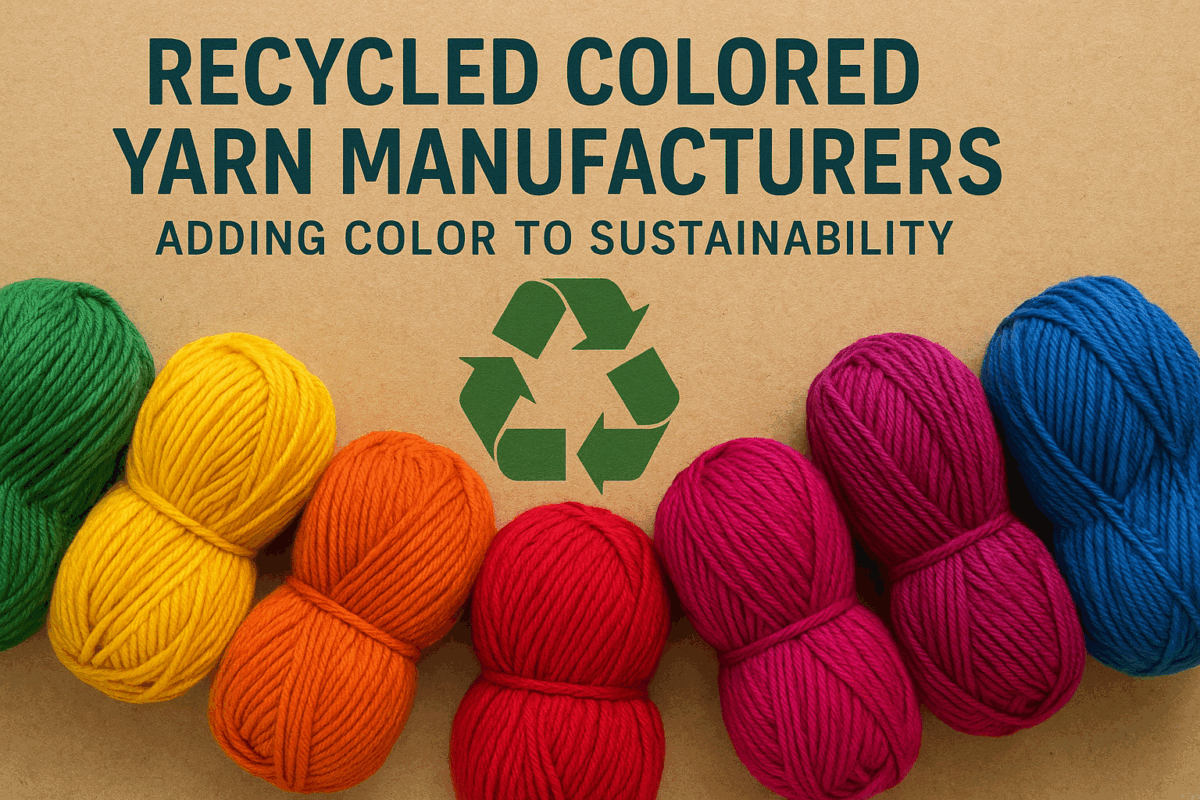
Recycled Colored Yarn Manufacturers: Adding Color to Sustainability

Recycled Colored Yarn Manufacturers: Adding Color to Sustainability

In today’s fast-paced fashion and textile industry, the conversation around sustainability is no longer optional — it’s essential. Among the most impactful innovations in this space is Recycled Colored Yarn Manufacturing, a process that combines eco-conscious production with vibrant, high-quality colors. These manufacturers are not just producing yarn; they are redefining how the industry approaches waste, resources, and creativity.

What Is Recycled Colored Yarn?

Recycled colored yarn is produced using pre-consumer and post-consumer textile waste, such as discarded garments, fabric scraps, and leftover industrial materials. Instead of dyeing new fibers, these materials are sorted by color during the recycling process, allowing manufacturers to produce yarn in various shades without the need for additional chemical dyes.

This approach significantly reduces water usage, chemical waste, and energy consumption — three major environmental concerns in traditional textile dyeing.

The Environmental Benefits

The biggest advantage of recycled colored yarn manufacturing lies in its drastic reduction in environmental impact. Here’s how it makes a difference:

  1. No Extra Dyeing Needed
    Traditional dyeing consumes massive amounts of water and introduces harmful chemicals into rivers and soil. By using pre-colored textile waste, manufacturers eliminate or minimize this step entirely.
  2. Lower Carbon Footprint
    Since the process avoids energy-intensive dye baths, recycled colored yarn production has a significantly smaller carbon footprint.
  3. Reduced Landfill Waste
    Every kilogram of recycled yarn means less textile waste dumped in landfills, extending the lifecycle of fabrics that would otherwise be discarded.

Water Conservation
Conventional textile dyeing can use up to 200 liters of water for every kilogram of fabric. Recycled colored yarn production uses a fraction of that amount, making it a more water-responsible choice.

The Process Behind Recycled Colored Yarn

The journey from discarded textiles to vibrant, eco-friendly yarn involves several steps:

  1. Collection & Sorting
    Textile waste is collected from factories, garment brands, and recycling centers. Skilled workers or automated systems sort them by color and fabric type.
  2. Shredding & Fiber Extraction
    The textiles are mechanically shredded into smaller pieces, and fibers are separated from other materials like zippers, buttons, and elastic.
  3. Blending for Strength & Color
    The fibers are blended to ensure durability and evenness of color. Sometimes, a small amount of virgin fiber is added to improve the yarn’s strength.
  4. Spinning into Yarn
    The blended fibers are spun into yarn using advanced machinery, resulting in threads that are ready for weaving, knitting, or other textile applications.

Quality Checks
Each batch undergoes strict testing to ensure colorfastness, strength, and consistency — so the final product is both sustainable and high-quality.

Applications in Fashion & Beyond

Recycled colored yarn is versatile, making it a favorite in multiple industries:

  • Fashion & Apparel – Sweaters, t-shirts, scarves, and hats.
  • Home Textiles – Carpets, cushion covers, and throws.
  • Industrial Uses – Upholstery fabrics, automotive interiors, and promotional merchandise.

Designers love recycled colored yarn because it allows them to maintain aesthetic variety without compromising environmental responsibility.

Why Brands Are Switching to Recycled Colored Yarn

As consumers become more eco-conscious, brands are under pressure to meet sustainability goals while keeping products appealing and marketable. Recycled Colored Yarn Offers:

  • Cost Efficiency – Lower energy and water costs compared to traditional production.
  • Authentic Sustainability Story – Brands can market products with genuine eco-friendly credentials.

Unique Aesthetics – Natural color variations create a distinctive, “earthy” look that resonates with sustainable fashion trends.

Challenges in the Industry

Despite its benefits, recycled colored yarn manufacturing faces challenges:

  • Quality Consistency – Variations in textile waste quality can affect yarn strength and texture.
  • Supply Chain Limitations – A steady supply of sorted textile waste is necessary for consistent production.
  • Consumer Awareness – Many buyers are still unaware of the environmental benefits of recycled yarn, requiring education and marketing.

The Future of Recycled Colored Yarn

With advancements in recycling technology, fiber recovery, and automated sorting, the quality of recycled colored yarn is improving rapidly. The trend is supported by global sustainability movements, government regulations, and rising consumer demand for greener products.

In the coming years, we can expect:

  • Wider Color Ranges – Improved sorting methods will allow for more vibrant, precise shades.
  • Higher Fiber Quality – Blending techniques will reduce the need for virgin fibers.
  • Mainstream Adoption – Large-scale fashion houses and retailers integrating recycled colored yarn into their core collections.

Conclusion

Recycled Colored Yarn Manufacturers are proving that sustainability doesn’t have to mean sacrificing beauty or quality. By turning textile waste into colorful, versatile yarn, they are breathing new life into discarded fabrics while protecting natural resources.

In a world where the fashion industry is often criticized for its environmental footprint, these manufacturers are adding color to sustainability — one vibrant, recycled thread at a time.

How Recycled Yarn Manufacturers Reduce Textile Waste and Promote Sustainability

How Recycled Yarn Manufacturers Reduce Textile Waste and Promote Sustainability

The fashion and textile industry is one of the largest contributors to global waste and pollution. From fast fashion’s rapid turnover to excessive production of synthetic fibers, the environmental impact is undeniable. However, one solution is gaining momentum and transforming the way fabrics are made, through Recycled Yarn Manufacturing.

Recycled yarn manufacturers are not only giving new life to discarded materials but also playing a critical role in reducing textile waste and promoting sustainability. By rethinking raw material sourcing, production processes, and waste management, they’re helping create a more circular, eco-friendly fashion ecosystem.

1. Understanding Recycled Yarn

Recycled yarn is produced from post-consumer and pre-consumer textile waste, as well as other recycled materials such as PET bottles.

  • Post-consumer waste: Old clothes, household textiles, or any fabric discarded after use.
  • Pre-consumer waste: Production offcuts, unsold inventory, and defective fabric rolls from manufacturing facilities.

Instead of these materials ending up in landfills or being incinerated, recycled yarn manufacturers collect, process, and convert them into usable fibers, which are then spun into new yarn.

2. The Process: From Waste to New Yarn

The manufacturing of recycled yarn involves several eco-conscious steps:

  1. Collection & Sorting – Textile waste is gathered from factories, retailers, and recycling centers. It is sorted based on fiber type, color, and quality.
  2. Shredding – Fabrics are mechanically shredded into smaller fiber pieces.
  3. Cleaning – Fibers are washed to remove contaminants like dust, dyes, or chemicals.
  4. Blending – Recycled fibers may be blended with virgin fibers for improved strength and texture.
  5. Spinning – The cleaned fibers are spun into yarn, ready for knitting or weaving.

This process bypasses many resource-heavy steps involved in producing virgin fibers, significantly cutting down environmental impact.

3. Reducing Textile Waste

One of the most significant contributions of recycled yarn manufacturers is diverting waste from landfills. According to the Ellen MacArthur Foundation, the equivalent of one garbage truck of textiles is landfilled or burned every second worldwide.

By reprocessing old fabrics into yarn, manufacturers help:

  • Extend the life of materials that would otherwise go to waste.
  • Minimize landfill accumulation, which reduces methane emissions from decomposing textiles.

Encourage circularity, where materials are continuously reused rather than discarded.

4. Promoting Sustainability Through Resource Conservation

Recycled yarn manufacturing is far less resource-intensive than producing new fibers.

  • Water Savings: Cotton production consumes huge amounts of water—recycling cotton fibers eliminates much of this demand.
  • Energy Reduction: Processing existing fibers uses less energy compared to manufacturing new polyester or other synthetics from raw petroleum.
  • Lower Carbon Footprint: Recycling reduces greenhouse gas emissions by avoiding virgin fiber production processes.

This conservation of natural resources makes recycled yarn an essential part of sustainable textile manufacturing.

5. Meeting Consumer Demand for Eco-Friendly Fashion

Today’s shoppers are more environmentally conscious than ever. They want brands that align with their values, and recycled yarn offers a compelling story.

Fashion labels using recycled yarn can proudly highlight:

  • Transparency in sourcing – clear traceability of recycled materials.
  • Lower environmental impact – backed by measurable data like water and energy savings.
  • Certifications – such as Global Recycled Standard (GRS) or OEKO-TEX, proving sustainable practices.

This not only boosts brand reputation but also fosters long-term customer loyalty.

6. Challenges and Solutions

While recycled yarn production offers numerous benefits, it also faces certain challenges:

  • Fiber Quality – Recycled fibers can be shorter and less durable. Solution: Blending with virgin fibers and improving mechanical/chemical recycling techniques.
  • Color Limitations – Pre-colored fibers can limit dyeing options. Solution: Advanced color-sorting technology and innovative dyeing methods.
  • Sorting Complexity – Mixed-fiber fabrics are harder to recycle. Solution: AI-driven fiber identification systems to improve sorting accuracy.

As technology advances, these challenges are becoming easier to overcome, making recycled yarn production more efficient and scalable.

7. Driving a Circular Fashion Economy

Recycled yarn manufacturing aligns perfectly with the circular economy—a system where products are designed, used, and recycled in a continuous loop.

Instead of a linear “take-make-dispose” model, circular fashion promotes designing for recyclability, ensuring that today’s clothes can become tomorrow’s raw materials. Recycled Yarn Manufacturers are key players in making this vision a reality.

Conclusion

Recycled Yarn Manufacturers are doing more than producing eco-friendly fibers—they’re reshaping the future of fashion. By reducing textile waste, conserving resources, and promoting sustainable practices, they help close the loop on fabric production.

As awareness grows and technology advances, recycled yarn will become a cornerstone of the textile industry. For fashion brands, adopting recycled yarn is no longer just a trend—it’s a responsibility. And for consumers, choosing products made from recycled yarn is a small but powerful step toward a cleaner, greener planet.