
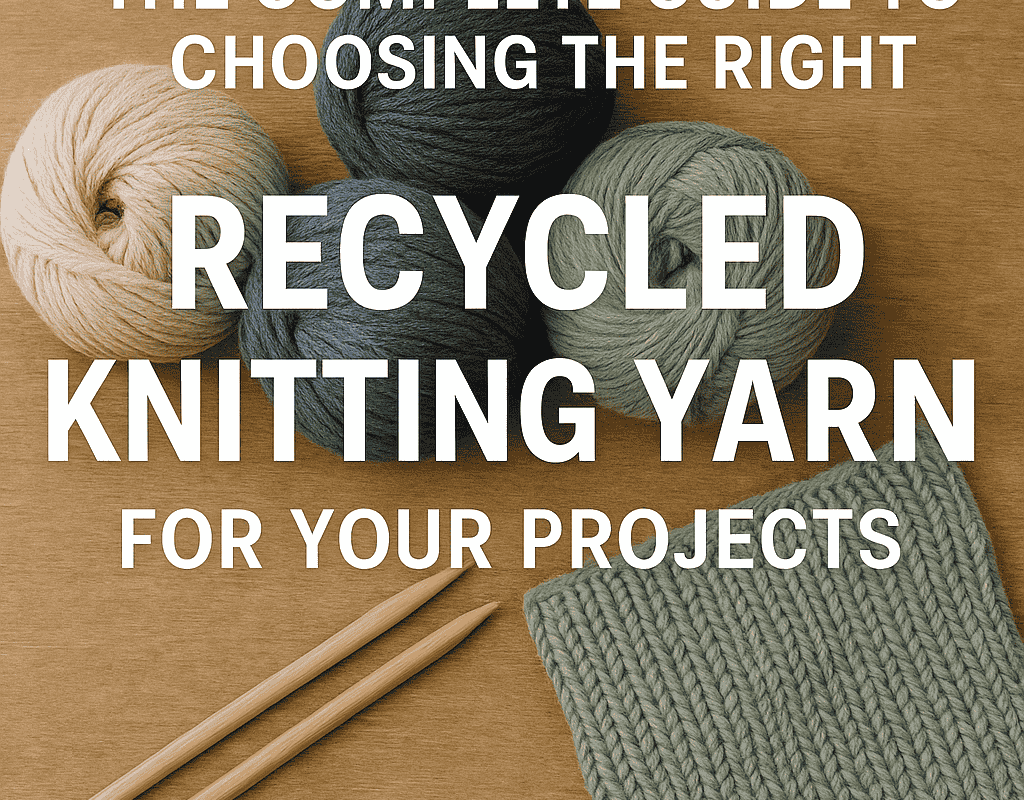
Sustainable creativity is shaping the future of the textile and fashion world, and at the center of this movement is Recycled Knitting Yarn—a smart, eco-friendly, and high-performance choice for knitters, designers, and conscious brands. Whether you are crafting garments, accessories, home décor, or high-value textile products, selecting the right recycled yarn is crucial to achieving the quality, appearance, and durability your project demands.
At KS Spinning Mills, we pride ourselves on being one of India’s leading manufacturers of premium recycled yarns crafted from post-consumer and post-industrial textile waste. This complete guide will help you understand everything you need to know before choosing your next recycled knitting yarn.
1. What Is Recycled Knitting Yarn?
Recycled knitting yarn is made by reprocessing textile waste—such as fabric scraps, used garments, and industrial cuttings—into new fibers that can be spun into high-quality yarn. This process significantly reduces landfill waste, saves water, conserves energy, and lowers carbon emissions.
Depending on the manufacturing technique, recycled yarns can be produced from:
- Cotton garment waste
- PET bottles (recycled polyester)
- Wool and acrylic waste
- Blend waste (cotton-poly, cotton-viscose, etc.)
KS Spinning Mills specializes in recycled cotton and cotton-blended yarns, known for their excellent softness, strength, and eco-performance.
2. Why Choose Recycled Knitting Yarn?
Selecting Recycled Knitting Yarn is not only a responsible choice—it also delivers superior functional and aesthetic benefits.
✔ Eco-Friendly and Sustainable
Recycled yarn dramatically reduces the environmental burden associated with virgin fiber production.
✔ Cost-Effective
Recycled yarn is often more affordable than virgin yarn without compromising performance.
✔ Stylish and Versatile
Available in unique color blends and textures that add character to handmade and commercial knitted products.
✔ Excellent for Circular Fashion Brands
Fashion houses and textile manufacturers are increasingly shifting to recycled yarn for meeting sustainability targets and certifications.
3. Understanding the Types of Recycled Knitting Yarn
Before choosing the right yarn, it’s important to understand your options.
1. Recycled Cotton Yarn
Soft, breathable, lightweight, and ideal for all-season garments.
Perfect for:
- Sweaters
- Baby wear
- Summer tops
- Home textiles (throws, cushion covers)
2. Recycled Polyester Yarn (rPET)
Made from recycled PET bottles, offering durability and wrinkle resistance.
Perfect for:
- Sportswear
- Socks
- Outdoor clothing
3. Recycled Wool Yarn
Warm, cozy, and excellent for winter projects.
Perfect for:
- Scarves
- Caps
- Winter sweaters and blankets
4. Blended Recycled Yarn
A combination of recycled cotton, polyester, viscose, or acrylic.
Perfect for:
- High-strength fabrics
- Knitted accessories
- Commercial textile applications
At KS Spinning Mills, we manufacture a wide range of cotton-based recycled yarn suitable for knitting, weaving, and industrial textile production.
4. Key Factors to Consider When Choosing Recycled Knitting Yarn
To make the right choice, evaluate the following factors closely.
1. Yarn Count (Thickness)
Yarn count defines how thick or fine your yarn is.
- Finer counts (20s, 24s, 30s) – Lightweight garments
- Medium counts (10s, 12s, 16s) – Sweaters, tops
- Coarse counts (6s, 8s) – Home décor, rugs, chunky knits
KS Spinning Mills provides recycled yarn in multiple counts based on project requirements.
2. Fiber Composition
Fiber blends impact durability, elasticity, and softness.
Examples:
- Recycled Cotton + Polyester – Strength and color fastness
- Recycled Cotton + Viscose – Soft and breathable
- 100% Recycled Cotton – Natural feel, eco-friendly
Choose a composition that matches the performance your project needs.
3. Color and Shade Matching
Recycled yarn often comes in melange or heather tones, giving a natural and premium look.
If you require:
- Consistent shades → opt for standardized blend recipes
- Natural variations → choose mixed color recycled yarn
KS Spinning Mills ensures excellent color consistency through advanced blending technology.
4. Project Purpose
Match yarn characteristics to your project:
| Project Type | Best Yarn Type |
|---|---|
| Summer clothing | Recycled cotton, fine counts |
| Winter garments | Recycled wool blends |
| Home décor | Coarse recycled yarn |
| Commercial production | Durable recycled blends |
5. Environmental Certifications
Choose recycled yarn backed by sustainable practices and certifications such as:
- GRS (Global Recycled Standard)
- OEKO-TEX
- ISO Quality Standards
KS Spinning Mills offers GRS-certified recycled yarns, reinforcing trust and traceability.
5. Top Benefits of KS Spinning Mills’ Recycled Knitting Yarn
When you choose recycled yarn from KS Spinning Mills, you benefit from:
✔ Superior Quality Control
State-of-the-art spinning machinery ensures reliable yarn strength, uniformity, and finish.
✔ Customizable Yarn Solutions
We offer tailored yarn counts, blends, and shades for your specific project needs.
✔ Sustainable Manufacturing
Our recycling and spinning ecosystems reduce water waste, energy consumption, and carbon footprint.
✔ Strong Supply Capability
We support bulk, regular, and long-term orders for global knitting and apparel manufacturers.
6. Tips for Working With Recycled Knitting Yarn
To ensure the best experience, keep these tips in mind:
1. Use the Correct Needle Size
Match needle thickness to yarn count for smooth knitting.
2. Swatch Before Starting
Make a small sample to check tension, drape, and stretch.
3. Avoid Overstretching
Recycled yarn may have less elasticity—maintain gentle tension.
4. Select the Right Pattern
Chunky recycled yarns suit textured patterns; fine yarns suit intricate lace work.
5. Store Properly
Keep yarn in a dry, clean place to maintain fiber strength and freshness.
7. Why Recycled Knitting Yarn Is the Future of Sustainable Textiles
As global demand shifts toward ethical fashion and environmentally conscious production, recycled knitting yarn is becoming an essential choice for designers, exporters, and textile manufacturers.
With advantages like reduced ecological impact, cost savings, unique aesthetics, and excellent performance, it is no longer just an alternative—it’s a preferred material for modern textile innovation.
At KS Spinning Mills, we are committed to pushing the boundaries of sustainable yarn solutions, ensuring that every cone of yarn contributes to a greener planet and a stronger textile future.
Conclusion
Choosing the right Recycled Knitting Yarn can significantly enhance the quality, durability, and sustainability of your knitting or textile project. By considering factors like fiber composition, count, color, and certifications, you can confidently select the best yarn for your needs.
For high-quality, GRS-certified recycled yarns crafted with precision and sustainability in mind, KS Spinning Mills is your trusted partner.