By KS Spinning Mills | ksspinningmills.com
The global fashion industry is undergoing a massive transformation as sustainability becomes the new standard rather than a niche preference. Consumers, brands, and manufacturers are all shifting toward materials that are not only stylish and durable but also environmentally responsible. At the heart of this transformation lies the evolution of Sweater Yarn Manufacturing, where innovation, recycling, and eco-friendly production techniques are shaping the future of textile fashion.
As one of India’s trusted leaders in recycled and sustainable yarn manufacturing, KS Spinning Mills stays at the forefront of this revolution. In this detailed guide, we explore the top trends influencing eco-friendly sweater yarn manufacturing and how they are changing the way fashion is made.
1. Rising Demand for Recycled Sweater Yarn
The most influential shift in the industry today is the rise of recycled yarn. With growing awareness about textile waste pollution, brands are moving toward materials sourced from:
- Post-consumer garment waste
- Post-industrial cotton waste
- Recycled polyester (from PET bottles)
- Recycled wool scraps
- Blend waste (cotton-poly, cotton-viscose, etc.)
Recycled sweater yarn offers comparable strength, softness, and performance to virgin yarn—making it a preferred choice for eco-conscious apparel manufacturers.
KS Spinning Mills has been pioneering the use of premium recycled cotton blends and recycled yarn varieties that offer outstanding durability and comfort, perfect for sweater manufacturing.
2. The Shift Toward Natural Fiber Blends
While synthetic fibers were once dominant in winter fashion, eco-friendly fashion trends have led to a revival of natural and nature-based fiber blends in Sweater Yarn Manufacturing.
Popular choices include:
- Recycled Cotton + Wool
- Recycled Cotton + Viscose
- Cotton + Tencel / Modal blends
- Organic Cotton with recycled components
These blends provide:
✔ Better breathability
✔ Superior softness
✔ Enhanced moisture control
✔ A more natural hand feel
KS Spinning Mills specializes in cotton-based sweater yarn blends, ensuring both sustainability and premium quality.
3. GRS-Certified Yarn and Traceability
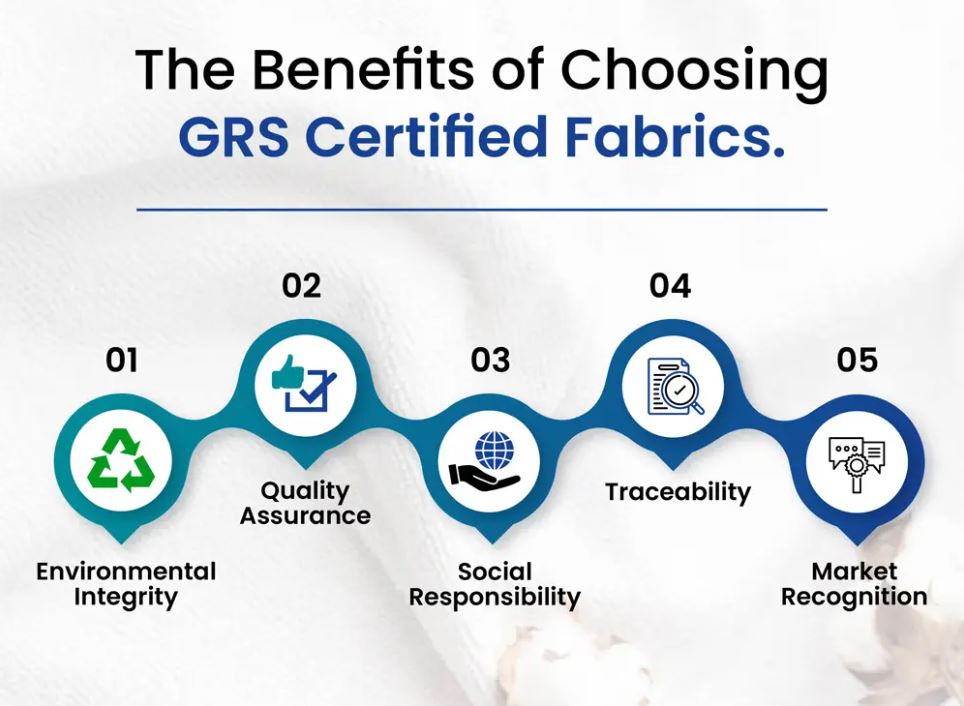
Modern fashion brands demand transparency. Certifications like GRS (Global Recycled Standard) have become essential for sweater yarn manufacturers seeking to supply international markets.
GRS certification ensures:
- Verified recycled content
- Ethical and safe production practices
- Complete traceability across the supply chain
- Non-toxic dyes and sustainable chemicals
- Social and environmental compliance
KS Spinning Mills adheres to global standards and offers GRS-certified recycled yarn, reinforcing authenticity and trust for international fashion brands.
4. Melange and Heather Shades Continue to Dominate
Eco-friendly fashion celebrates natural, earthy, and recycled-inspired aesthetics. That’s why melange and heather tones have become a major trend in sweater yarn manufacturing.
Why melange yarns are trending:
- Unique color depth and texture
- Premium, natural look
- Matches sustainable fashion aesthetics
- Created using mixed waste fibers, enhancing recyclability
These shades work beautifully for knitted sweaters, cardigans, winter tops, and premium export garments.
KS Spinning Mills offers a wide variety of melange shades crafted from recycled fiber blends, giving brands endless creative possibilities.
5. High-Performance Eco Yarn for Functional Fashion
Consumers today don’t just want eco-friendly fashion—they want high-performance functionality. This demand has led sweater yarn manufacturers to develop yarns that offer:
- Pilling resistance
- Longer durability
- Thermal insulation
- Soft touch with high tensile strength
- Odor control
- Moisture-wicking properties
Recycled cotton and blended eco yarns offer these performance benefits naturally. Through advanced spinning processes, KS Spinning Mills ensures consistent yarn quality suitable for both hand knitting and industrial knitting machines.
6. Low-Impact Dyeing & Color-Saving Technologies
Eco-friendly sweater yarn manufacturing now focuses heavily on low-impact dyeing to reduce water and chemical waste.
Popular dyeing trends include:
✔ Dope-Dyed Yarns
Color pigments are mixed with raw material before fiber extrusion—no additional dyeing needed.
✔ Color-Saved Yarns Using Recycled Fibers
Recycled fibers already come with pre-dyed waste, eliminating the need for chemical dyes.
✔ Low Liquor-Ratio Dyeing
Minimizes water and energy consumption.
KS Spinning Mills prioritizes color-preserved recycled yarns, significantly reducing dyeing requirements and environmental impact.
7. Demand for Chunky and Textured Sweater Yarns
As fashion evolves, chunky textured knits remain a major trend. In sweater yarn manufacturing, this has led to innovations in:
- Slub yarn
- Roving yarn
- Loop yarn
- Thick-n-thin yarn
- Multi-ply chunky yarn
These yarns create bold patterns and visually rich sweaters while maintaining eco-friendly material integrity.
Recycled chunky yarn blends from KS Spinning Mills offer the perfect balance between sustainability and high fashion.
8. Zero-Waste Production & Circular Fashion
Eco-friendly fashion thrives on the principles of circularity, and sweater yarn manufacturing is now aligned with:
✔ Zero-waste fiber recycling
All spinning waste is reprocessed back into yarn.
✔ Closed-loop manufacturing
Recycling systems that continuously reuse textile waste.
✔ Sustainable packaging
Using biodegradable, recycled, or minimal packaging.
✔ Extended garment life
Creating yarn that lasts longer, reducing garment disposal.
KS Spinning Mills actively participates in circular textile initiatives, ensuring that minimal waste reaches landfills.
9. Smart Manufacturing With Automation & AI
To meet international sustainability goals, sweater yarn manufacturers are investing in advanced technologies such as:
- Automated sorting of fiber waste
- Precision carding and combing systems
- IoT-based spinning machinery
- AI-driven quality control
- Real-time production monitoring
These systems ensure that sweater yarn is:
✔ More uniform
✔ More durable
✔ Higher in strength
✔ Lower in defects
KS Spinning Mills integrates these advanced systems to consistently deliver world-class recycled yarn for global sweater manufacturers.
10. Ethical and Fair-Trade Production
Eco-friendly fashion is not limited to materials—it extends to the people involved in production.
Ethical manufacturing practices include:
- Safe working conditions
- Fair wages
- No child labor
- Worker welfare systems
- Transparent sourcing
- Social compliance certifications
KS Spinning Mills maintains ethical manufacturing standards and collaborates with brands focused on sustainable and socially responsible clothing.
Conclusion
The world of Sweater Yarn Manufacturing is rapidly evolving, driven by sustainability, innovation, and consumer demand for eco-friendly fashion. From recycled yarns and melange blends to ethical production and low-impact dyeing, every stage of manufacturing is becoming greener and more future-focused.
At KS Spinning Mills, we are committed to delivering high-quality recycled yarn solutions that empower brands to create stylish, durable, and sustainable winter garments. By embracing these trends, sweater manufacturers can lead the future of eco-conscious apparel.