What Is Recycled Weaving Yarn? A Complete Beginner’s Guide for 2025

What Is Recycled Weaving Yarn? A Complete Beginner’s Guide for 2025

As the world shifts towards smarter, greener textile solutions, the popularity of Recycled Weaving Yarn has skyrocketed—especially among mills, fabric manufacturers, fashion brands, and sustainability-driven consumers. If you’re new to the concept and searching for a simple, beginner-friendly explanation, this guide breaks down everything you need to know in 2025.

What Is Recycled Weaving Yarn?

Recycled weaving yarn is yarn produced from post-consumer or post-industrial textile waste, plastic bottles, cutting scraps, PET waste, and leftover fiber materials. Instead of letting these materials end up in landfills or oceans, recycling mills collect, process, and spin them into new, high-quality yarns—perfect for weaving fabrics.

In short:

✔️ It reduces waste
✔️ It saves natural resources
✔️ It lowers energy consumption
✔️ It supports circular textiles

This makes recycled weaving yarn one of the fastest-growing eco-friendly yarn categories in 2025.

How Recycled Weaving Yarn Is Made

The recycling and spinning process is a combination of technology, precision, and quality control. Here’s how it works step-by-step:

1. Waste Collection

Manufacturers collect:

  • Post-consumer garments
  • Cutting waste from factories
  • PET bottles (for polyester yarns)
  • Discarded home textiles
  • Industrial scraps

2. Sorting & Cleaning

Waste is segregated by:

  • Fiber type
  • Color
  • Quality
  • Contamination levels

This step ensures consistent yarn quality.

3. Shredding

Textiles are shredded into fiber form using high-speed mechanical shredders.

4. Fiber Opening

Fibers are opened, blended, and aligned to create a uniform texture.

5. Carding & Combing

These processes remove impurities and prepare the fiber into slivers for spinning.

6. Spinning into Yarn

Modern ring frames or open-end spinning machines convert fiber into smooth, strong yarn suitable for weaving.

7. Quality Testing

Every batch undergoes:

  • Strength tests
  • Evenness checks
  • Color consistency checks
  • Contamination analysis

8. Final Packaging

The yarn is wound into cones, bales, or customized packaging for mills and exporters.

Types of Recycled Weaving Yarn Available in 2025

The textile industry now offers multiple variants to match fabric needs:

1. Recycled Cotton Weaving Yarn

Made from cotton garment waste and industry scraps.
Ideal for: shirting fabrics, denim blends, bedsheets, towels, and upholstery.

2. Recycled Polyester Weaving Yarn (rPET)

Made from PET bottles and polyester waste.
Ideal for: performance fabrics, denim blends, bags, curtains, and technical textiles.

3. Recycled Cotton-Polyester Blended Yarn

A perfect balance of softness + strength.
Ideal for: home textiles, fashion fabrics, and value-added woven fabrics.

4. Recycled Acrylic & Wool Blends

Used in blankets, shawls, winter fabrics, and upholstery.

5. Color-Sorted Recycled Yarn

Produced without additional dyeing—reducing water usage by up to 90%.

Why Recycled Weaving Yarn Is in High Demand in 2025

The global textile industry is prioritizing sustainability more than ever. Here’s why Recycled Weaving Yarn has become essential:

1. It Reduces Textile Waste

Over 92 million tons of textile waste is generated each year globally. Recycling turns waste into usable raw material—reducing landfill pressure.

2. It Lowers Cost for Manufacturers

Recycled yarns often cost 20%–40% less than virgin yarn due to:

  • Reduced raw material costs
  • Less water and energy usage
  • Eliminated dyeing in color-sorted yarns

3. It Saves Water & Energy

Recycling cotton saves up to:

  • 85% water
  • 60% energy
  • 40% CO₂ emissions

This makes it a smart choice for eco-conscious brands.

4. It Supports Sustainable Certifications

Brands aim for:

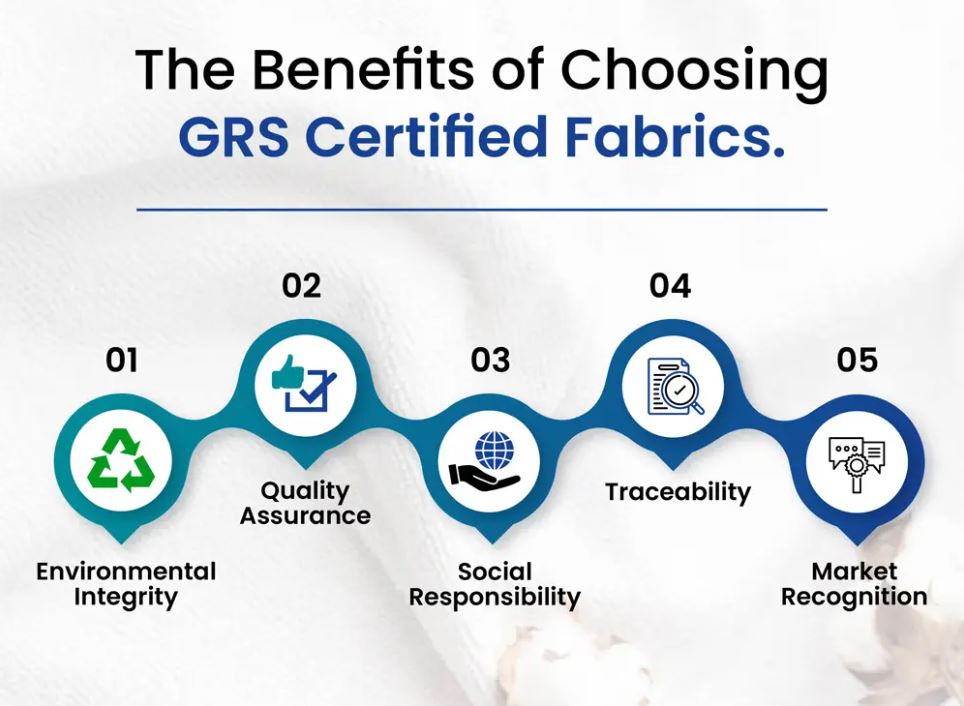
  • GRS (Global Recycled Standard)
  • RCS
  • OEKO-TEX
  • IDFL certifications

Using recycled weaving yarn helps achieve these sustainability goals.

5. Consumer Demand Is Rising

Gen-Z and international fashion brands prefer products that:

  • Reduce carbon footprint
  • Use circular textile materials
  • Follow ethical production

This trend boosts demand for recycled yarn every year.

Applications of Recycled Weaving Yarn

Recycled weaving yarn is extremely versatile and can be used in almost every textile category:

1. Home Textiles

  • Bedsheets
  • Pillow fabrics
  • Curtains
  • Blankets
  • Table linens
  • Upholstery

2. Fashion & Apparel

  • Shirts
  • Trousers
  • Denim
  • Jackets
  • Ethnic wear
  • Accessories

3. Industrial & Technical Textiles

  • Interlinings
  • Lining fabrics
  • Geo-textiles
  • Filtration fabrics
  • Workwear

4. Eco-Friendly Product Manufacturing

  • Bags
  • Towels
  • Rugs
  • Handlooms
  • Craft fabrics

In 2025, weaving mills globally are shifting their raw material sourcing toward recycled yarn due to cost advantages and sustainability benefits.

Advantages of Using Recycled Weaving Yarn

1. Cost-Effective

Budget-friendly for bulk manufacturers without compromising on fabric quality.

2. Eco-Friendly

Less water, less energy, and fewer chemicals.

3. Durable & Versatile

Modern recycling technology ensures high strength and evenness.

4. Reduced Carbon Footprint

Perfect for sustainable collections and green-certified products.

5. Available in Multiple Counts

From coarse denims to fine shirting, recycled yarns now support a wide variety of weaving counts.

Challenges in Recycled Weaving Yarn (And How Mills Are Solving Them)

1. Fiber Length Variation

Recycling may shorten fibers.
Solution: Advanced carding & combing systems generate uniform fibers.

2. Color Variation

Especially in color-sorted yarn.
Solution: AI-based color sorting & blending.

3. Contamination

Plastic, metal, and micro-waste can enter during shredding.
Solution: Automated contamination detection systems.

4. Limited Availability of Premium Waste

High global demand is increasing raw material scarcity.
Solution: More collection points and post-consumer garment recycling programs.

In 2025, spinning mills using advanced machinery have largely overcome these issues.

How to Choose the Best Recycled Weaving Yarn in 2025

If you’re sourcing recycled weaving yarn, consider:

✔️ Count range (Ne or Denier)
✔️ Fiber composition (cotton, polyester, blends)
✔️ Certifications (GRS, RCS, IDFL)
✔️ Color consistency
✔️ Yarn strength & evenness
✔️ Application suitability (home textiles, apparel, industrial use)
✔️ Manufacturer reputation

Choosing a trusted spinning mill ensures better and consistent output for weaving.

The Future of Recycled Weaving Yarn

2025 marks a major shift in global textile sourcing. Recycled weaving yarn is no longer an optional trend—it is becoming a global manufacturing standard.

Future innovations include:

  • AI-based waste sorting
  • Zero-dye yarn production
  • Fully circular textile-to-textile systems
  • Biodegradable recycled blends
  • Higher-strength recycled fibers for technical textiles

The industry is moving toward 100% recyclable and reusable textiles, and recycled weaving yarn is leading this transformation.

Conclusion

Recycled weaving yarn is a powerful solution for reducing waste, lowering production costs, and supporting sustainable textile manufacturing. As we move into 2025 and beyond, brands, mills, exporters, and buyers are increasingly prioritizing recycled materials due to their environmental and economic benefits.

If you’re beginning your journey into eco-friendly textile manufacturing, recycled weaving yarn is the perfect place to start.
The Rise of Recycled Weaving Yarn: Benefits for Fashion and the Planet

The Rise of Recycled Weaving Yarn: Benefits for Fashion and the Planet

The fashion industry is one of the world’s most creative and influential sectors—but it’s also among the most resource-intensive. With growing awareness about environmental impacts, designers, brands, and manufacturers are turning to sustainable solutions. One innovation making a significant difference is Recycled Weaving Yarn. Not only is it revolutionizing the way textiles are made, but it’s also helping reduce the fashion industry’s ecological footprint.

From repurposing discarded fabrics to weaving beautiful, durable materials, Recycled Weaving Yarn is proof that style and sustainability can coexist. Let’s explore what it is, how it’s made, and why it’s transforming both fashion and the planet.

1. What Is Recycled Weaving Yarn?

Recycled Weaving Yarn is created from pre-consumer or post-consumer textile waste, as well as other recyclable fibers like PET bottles.

  • Pre-consumer waste comes from production scraps, offcuts, and unsold inventory.
  • Post-consumer waste includes old garments, household textiles, and discarded fabric products.

These materials are collected, sorted, cleaned, and processed into fibers, which are then spun into yarn suitable for weaving. This approach reduces the demand for virgin fibers like cotton or polyester, which require significant water, land, and energy resources to produce.

2. How Recycled Weaving Yarn Is Made

The manufacturing process for Recycled Weaving Yarn involves several key steps:

  1. Collection & Sorting: Waste textiles are gathered and sorted based on fiber type, color, and condition.
  2. Shredding: Fabrics are mechanically shredded into smaller fibers.
  3. Cleaning: Fibers are washed to remove dirt, dyes, or contaminants.
  4. Blending: Recycled fibers are often blended with other fibers to enhance strength and quality.
  5. Spinning: The fibers are spun into yarn, ready to be woven into new fabrics.

Advanced technology allows manufacturers to produce high-quality yarn that rivals virgin yarn in appearance and performance.

3. Environmental Benefits of Recycled Weaving Yarn

The shift toward recycled yarn offers numerous environmental advantages:

a. Reduces Textile Waste

Textile waste is a growing problem, with millions of tons ending up in landfills every year. By reusing discarded fabrics, Recycled Weaving Yarn helps divert this waste from landfill sites.

b. Conserves Resources

Producing virgin fibers like cotton requires vast amounts of water and pesticides, while polyester production consumes fossil fuels. Recycling fibers drastically reduces water usage, chemical pollution, and energy consumption.

c. Lowers Carbon Footprint

Manufacturing recycled yarn generally emits fewer greenhouse gases compared to producing new fibers. This helps mitigate climate change impacts.

d. Minimizes Microfiber Pollution

Some recycled yarns are made from natural fibers or improved synthetics that shed fewer microplastics, reducing ocean pollution.

4. Benefits for the Fashion Industry

The rise of Recycled Weaving Yarn is not just good for the planet—it’s also a win for the fashion world.

a. Creative Freedom

Recycled yarns can be dyed, textured, and blended to produce unique fabrics, allowing designers to experiment with new looks and textures without compromising quality.

b. Meeting Consumer Demand

Sustainability is no longer a niche—it’s a priority for many shoppers. Brands using recycled yarn can appeal to eco-conscious consumers, strengthening their market position.

c. Cost-Effectiveness in the Long Term

While the initial setup for recycling systems can be costly, the use of waste materials can eventually reduce reliance on expensive virgin fibers, offering savings over time.

d. Brand Reputation and Certification

Brands adopting recycled yarn often gain certifications such as Global Recycled Standard (GRS) or OEKO-TEX, which enhance credibility and consumer trust.

5. Challenges and Solutions

Despite its benefits, Recycled Weaving Yarn production faces challenges:

  • Fiber Quality: Recycled fibers may be shorter and weaker than virgin fibers.
  • Color Limitations: Pre-colored fabrics may limit dyeing options.
  • Sorting Complexity: Separating different fiber types is labor-intensive.

However, advancements in recycling technology, such as chemical recycling for polyester or AI-powered sorting systems, are overcoming these hurdles, making recycled yarn more viable and scalable.

6. The Bigger Picture: Closing the Loop

Recycled Weaving Yarn supports the concept of a circular fashion economy, where materials are kept in use for as long as possible. Instead of the traditional “take-make-dispose” model, circular fashion emphasizes reusing, recycling, and regenerating resources.

By adopting recycled yarn, brands contribute to this loop—designing clothes that can one day be recycled again, reducing overall waste and resource depletion.

Conclusion

The rise of Recycled Weaving Yarn marks a pivotal moment for the fashion industry. It’s a step toward reducing environmental harm while enabling creativity and innovation. From lowering textile waste to conserving natural resources, its benefits are clear—not just for the planet, but for the fashion market as a whole. As consumer demand for sustainability grows, more brands are expected to embrace recycled yarns in their weaving processes. This isn’t just a passing trend—it’s the future of fabric. The next time you admire a woven garment, it may very well be a symbol of how style and sustainability can weave together seamlessly.

KS Spinning Mills: Pioneering Sustainability with High-Quality Recycled Weaving Yarn

KS Spinning Mills: Pioneering Sustainability with High-Quality Recycled Weaving Yarn.

In an era where sustainability is a key focus for industries worldwide, KS Spinning Mills stands as a leading pioneer in the textile sector. As a trusted manufacturer, we specialize in producing high-quality Recycled Weaving Yarn that aligns perfectly with the global demand for eco-friendly solutions. By integrating sustainability into every step of our production process, we help brands and manufacturers reduce their environmental footprint while maintaining top-tier quality in their woven fabrics.

The Rise of Recycled Weaving Yarn

The textile industry is one of the largest contributors to global waste, with millions of tons of fabric waste generated each year. Recognizing the urgency to address these challenges, KS Spinning Mills has turned to recycling to create Recycled Weaving Yarn. This innovative approach allows us to repurpose post-consumer and post-industrial textile waste, giving it new life as high-quality weaving yarn. By doing so, we not only reduce the demand for virgin materials but also contribute to a more sustainable, circular economy.

Our Recycled Weaving Yarn is produced through a meticulous process that ensures it meets stringent quality standards. Each yarn is carefully spun from recycled fibers that are cleaned, processed, and reformed to maintain their strength, durability, and aesthetic appeal. As a result, our yarns provide the perfect base for a variety of weaving applications, from home textiles to apparel and industrial fabrics.

Why Choose Recycled Weaving Yarn from KS Spinning Mills?

1. Sustainability at the Core

At KS Spinning Mills, sustainability is not just a buzzword; it’s an integral part of our mission. Our Recycled Weaving Yarn helps reduce the need for raw materials, minimizing the impact on natural resources. By choosing recycled yarn, you are actively contributing to the reduction of textile waste and conserving energy and water resources. Additionally, our recycling process produces fewer carbon emissions compared to the traditional yarn production methods.

2. Quality You Can Rely On

While sustainability is at the heart of our production process, we never compromise on quality. Every batch of Recycled Weaving Yarn undergoes strict quality control checks to ensure that it meets the high standards our customers expect. The yarns retain their strength, texture, and color vibrancy, making them ideal for a wide range of weaving applications. Whether you are weaving light fabrics for fashion or heavy-duty textiles for industrial purposes, our recycled yarn delivers the desired performance and finish.

3. Customization to Meet Your Needs

At KS Spinning Mills, we understand that each weaving project has unique requirements. That’s why we offer a wide range of yarn options in terms of thickness, texture, and blend. Whether you need a specific color, fiber blend, or yarn count, we work closely with our clients to provide customized solutions that align with their project specifications.

4. Supporting a Greener Future

As brands and consumers alike demand more sustainable products, KS Spinning Mills stands out as a partner who not only understands these needs but actively works to fulfill them. Our Recycled Weaving Yarn gives manufacturers and designers the opportunity to incorporate eco-friendly materials into their collections without compromising on quality or design.

Join the Sustainability Movement

By choosing KS Spinning Mills for your Recycled Weaving Yarn needs, you are taking a step toward a greener future. Our yarns help your brand achieve its sustainability goals while delivering high-quality fabrics that meet the demands of today’s eco-conscious consumers. We are proud to be part of the movement that’s shaping the future of the textile industry.

Get in Touch with KS Spinning Mills

Are you ready to incorporate Recycled Weaving Yarn into your next collection or product line? Contact us today to learn more about our sustainable yarn options, request samples, or discuss your specific requirements.

📞 Phone: 8708732975, 95182-21098
📧 Email: sales@ksspinningmills.com
🌐 Website: KS Spinning Mills

KS Spinning Mills: Leading the Way as GRS Certified Sweater Yarn Manufacturers for a Sustainable Future

KS Spinning Mills: Leading the Way as GRS Certified Sweater Yarn Manufacturers for a Sustainable Future

In a time when sustainability is reshaping the global textile industry, KS Spinning Mills proudly stands at the forefront as one of the most trusted GRS Certified Sweater Yarn Manufacturers. With a strong commitment to eco-friendly practices and high-quality yarn production, we are helping brands meet their sustainability goals without compromising on style or performance.

Why GRS Certification Matters

The Global Recycled Standard (GRS) is an internationally recognized certification that verifies the recycled content of textile products. It also ensures responsible social, environmental, and chemical practices throughout the manufacturing process. As a GRS Certified Sweater Yarn Manufacturer, KS Spinning Mills provides full transparency and traceability—giving clients confidence that they are working with a sustainable, ethical, and compliant partner.

GRS certification is more than a label—it’s a commitment. At KS Spinning Mills, we take pride in producing sweater yarns that not only support the environment but also meet the growing demand for ethical sourcing across the fashion industry.

Premium Recycled Yarn for Sustainable Knitwear

Our recycled sweater yarns are crafted using post-consumer and post-industrial textile waste, transforming discarded materials into premium-quality yarn suitable for a wide variety of knitwear applications. From cozy winter pullovers to high-end designer sweaters, our yarns are engineered for softness, durability, and a smooth finish that appeals to both designers and consumers. By utilizing advanced spinning technology and rigorous quality control, we ensure that every yarn batch maintains consistency, strength, and a premium feel—making our products ideal for both mass-market and luxury apparel brands.

What Sets KS Spinning Mills Apart?

  • Certified Sustainability

    As a GRS Certified Sweater Yarn Manufacturer, our operations meet global benchmarks for environmental impact, chemical safety, and ethical labor. We help your brand stay compliant and credible in an increasingly eco-conscious market.

  • Custom Solutions

    We offer a wide range of yarn counts, colors, and blends to meet the specific needs of our clients. Whether you require natural tones, vibrant hues, or custom fiber combinations, we deliver tailored solutions with short lead times.

  • Consistent Quality

    Our state-of-the-art manufacturing units ensure precision, uniformity, and reliability in every spool. With KS Spinning Mills, you get yarn that performs beautifully and consistently across batches.

  • Partnership-Focused Approach

    We believe in building long-term relationships. From design support to technical advice and on-time delivery, we work closely with our clients to ensure their success.

Build a Sustainable Future With Us

Today’s consumers demand more than just quality—they want accountability, traceability, and sustainability. As one of the top GRS Certified Sweater Yarn Manufacturers, KS Spinning Mills offers all three. We empower brands to produce responsibly without sacrificing creativity or product excellence.

Get in Touch

Ready to source eco-friendly sweater yarn that meets GRS standards? KS Spinning Mills is here to support your journey toward Sustainable Fashion.