Why Fashion Brands Prefer Working with Recycled Colored Yarn Manufacturers

Why Fashion Brands Prefer Working with Recycled Colored Yarn Manufacturers

Why Fashion Brands Prefer Working with Recycled Colored Yarn Manufacturers

The fashion industry is undergoing a major transformation as sustainability becomes a core business priority rather than a passing trend. Today’s fashion brands are under increasing pressure to reduce their environmental footprint, ensure ethical sourcing, and maintain consistent quality. One of the most effective ways brands are achieving these goals is by partnering with recycled colored yarn manufacturers. Companies like KS Spinning Mills are emerging as preferred partners by offering eco-friendly, high-quality yarn solutions tailored to modern fashion needs.

The Shift Toward Sustainable Fashion

Consumers are more informed and environmentally conscious than ever before. They want transparency in how garments are made and are actively choosing brands that demonstrate responsible production practices. As a result, fashion labels are rethinking their supply chains, starting with raw materials.

Recycled colored yarn allows brands to significantly reduce resource consumption while still delivering vibrant, durable fabrics. By working with manufacturers such as KS Spinning Mills, brands can align sustainability with performance and design.

What Is Recycled Colored Yarn?

Recycled colored yarn is produced using pre-dyed textile waste or colored fibers that are recycled and spun into new yarn without the need for additional dyeing. This process eliminates several resource-intensive steps typically involved in yarn production.

The result is a yarn that offers consistent color, reduced water and chemical usage, and a lower environmental footprint. KS Spinning Mills specializes in producing recycled colored yarn that meets fashion industry standards for quality, strength, and color uniformity.

Reduced Water and Chemical Consumption

One of the biggest reasons fashion brands prefer recycled colored yarn is the significant reduction in water and chemical usage. Traditional dyeing processes consume large volumes of water and involve harmful chemicals that can damage ecosystems.

Since recycled colored yarn uses already-colored fibers, the dyeing stage is largely eliminated. KS Spinning Mills employs responsible manufacturing practices that help brands meet sustainability targets while minimizing environmental impact.

Consistent Color and Batch Uniformity

Color consistency is critical in fashion production. Variations in shade can lead to fabric rejection, increased waste, and higher production costs.

Recycled Colored Yarn Manufacturers like KS Spinning Mills focus on precise sorting and blending of colored fibers to ensure uniform shades across batches. This consistency allows fashion brands to scale production without compromising on quality or aesthetics.

Cost Efficiency and Production Benefits

Recycled colored yarn can offer cost advantages by reducing dyeing, water treatment, and energy expenses. These savings benefit both yarn manufacturers and fashion brands.

By working with KS Spinning Mills, brands gain access to efficient production processes that help control costs while maintaining premium fabric quality. This balance is especially important in a competitive fashion market.

Meeting Sustainability and Compliance Standards

Global fashion brands must comply with increasingly strict environmental regulations and sustainability certifications. Recycled colored yarn supports compliance by reducing emissions, chemical usage, and waste.

KS Spinning Mills aligns its manufacturing practices with international sustainability standards, making it easier for fashion brands to meet regulatory and consumer expectations.

Supporting Circular Fashion Models

Recycled colored yarn plays a key role in circular fashion by transforming textile waste into valuable raw materials. This approach extends the life cycle of fibers and reduces dependency on virgin resources.

Fashion brands working with KS Spinning Mills can actively participate in circular economy initiatives, strengthening their sustainability storytelling and brand credibility.

Design Flexibility and Creative Freedom

Modern recycled colored yarn offers a wide range of textures, counts, and blends, enabling designers to experiment without limitations. From casual wear to structured garments, recycled yarn supports diverse fashion applications.

KS Spinning Mills collaborates with fashion brands to develop customized yarn solutions that meet specific design and performance requirements.

Consumer Trust and Brand Reputation

Sustainability has become a key purchasing factor for consumers. Fashion brands that use recycled materials gain trust and loyalty from environmentally conscious buyers.

By partnering with trusted recycled colored yarn manufacturers like KS Spinning Mills, brands can confidently communicate their sustainability efforts and strengthen their market positioning.

Long-Term Supply Chain Stability

Reliable sourcing is essential for fashion brands operating at scale. Recycled colored yarn manufacturers provide long-term supply stability by reducing dependence on volatile raw material markets.

KS Spinning Mills ensures consistent supply through advanced planning, efficient recycling processes, and strong industry partnerships.

KS Spinning Mills: A Trusted Partner for Fashion Brands

KS Spinning Mills has established itself as a reliable manufacturer of recycled colored yarn, supporting fashion brands with quality, consistency, and sustainability. The company’s focus on innovation, quality control, and responsible manufacturing makes it a preferred partner for brands seeking future-ready textile solutions.

By combining eco-friendly practices with technical expertise, KS Spinning Mills helps fashion brands achieve both environmental and commercial success.

The Future of Fashion and Recycled Colored Yarn

As sustainability becomes central to fashion business strategies, recycled colored yarn will continue to gain importance. Advances in recycling technology will further enhance yarn quality, color accuracy, and performance.

Fashion brands that adopt recycled colored yarn today position themselves as leaders in responsible fashion. Manufacturers like KS Spinning Mills will play a crucial role in shaping this sustainable future.

Conclusion

Fashion brands prefer working with recycled colored yarn manufacturers because they offer a powerful combination of sustainability, quality, and efficiency. From reducing environmental impact to ensuring consistent color and supporting circular fashion, recycled colored yarn delivers long-term value.

With its commitment to innovation and responsible production, KS Spinning Mills stands as a trusted partner for fashion brands looking to build sustainable, future-ready collections. By choosing recycled colored yarn, brands take a meaningful step toward a greener and more responsible fashion industry.
Eco-Friendly Dyeing: How Recycled Colored Yarn Gets Its Vibrant Shades

Eco-Friendly Dyeing: How Recycled Colored Yarn Gets Its Vibrant Shades

Eco-Friendly Dyeing: How Recycled Colored Yarn Gets Its Vibrant Shades

The textile industry is experiencing a major shift toward sustainability, and one of the most impactful innovations is the use of recycled colored yarn. Unlike conventional yarns that require intensive dyeing processes, recycled colored yarn offers vibrant shades while significantly reducing environmental impact. This eco-friendly approach is transforming how fashion and home textiles are produced. At the forefront of this movement is KS Spinning Mills, a trusted manufacturer committed to responsible and high-quality yarn production.

Understanding Recycled Colored Yarn

Recycled colored yarn is created by reprocessing pre-dyed textile waste or colored fibers into new yarn. Instead of dyeing fibers from scratch, manufacturers sort and blend already-colored materials, eliminating or reducing the need for traditional dyeing.

This method not only conserves water and energy but also reduces chemical usage. KS Spinning Mills focuses on precision and quality throughout this process to ensure recycled colored yarn delivers both sustainability and performance.

The Environmental Challenges of Traditional Dyeing

Conventional dyeing is one of the most resource-intensive stages in textile production. It requires large volumes of water, energy, and chemicals, often leading to wastewater pollution and high carbon emissions.

Many dyes contain substances that can harm ecosystems if not properly treated. As environmental regulations tighten and consumer awareness grows, textile manufacturers are seeking alternatives that minimize these risks. Recycled colored yarn offers a solution by drastically reducing reliance on conventional dyeing processes.

The Eco-Friendly Color Creation Process

1. Collection and Sorting of Colored Textile Waste

The journey of recycled colored yarn begins with the collection of textile waste. This waste includes pre-dyed fabric scraps and post-consumer garments.

At KS Spinning Mills, careful sorting is carried out based on color, fiber type, and quality. This step is crucial for achieving consistent shades and maintaining yarn performance.

2. Color Blending for Shade Accuracy

Once sorted, fibers of similar colors are blended to create specific shades. This blending process allows manufacturers to achieve a wide spectrum of colors without additional dyeing.

KS Spinning Mills uses advanced blending techniques to ensure color uniformity across batches. This precision is essential for fashion brands that demand consistent color reproduction.

3. Minimal or No Dyeing Requirement

Because recycled colored yarn relies on pre-dyed fibers, the need for dyeing is significantly reduced or eliminated. In some cases, light corrective dyeing may be used to fine-tune shades.

By minimizing dye usage, KS Spinning Mills reduces water consumption, energy use, and chemical discharge, making the process environmentally responsible.

Achieving Vibrant and Long-Lasting Shades

A common misconception is that Recycled Colored Yarn lacks vibrancy. In reality, modern recycling and blending techniques produce rich, long-lasting colors that meet industry standards.

KS Spinning Mills ensures that recycled colored yarn maintains excellent color fastness, resisting fading even after repeated washing and wear. This durability makes it suitable for both apparel and home textile applications.

Water and Energy Conservation Benefits

Eco-friendly dyeing through recycled colored yarn significantly lowers water and energy consumption. Traditional dyeing processes require multiple rinses and heating cycles, while recycled colored yarn bypasses most of these steps.

By reducing resource usage, KS Spinning Mills helps textile manufacturers lower their environmental footprint while maintaining production efficiency.

Reduced Chemical Usage and Pollution

Chemical dyes and auxiliary agents are a major source of textile pollution. Recycled colored yarn minimizes the need for these substances, reducing wastewater contamination.

KS Spinning Mills prioritizes responsible chemical management when minimal dyeing is required, ensuring compliance with environmental and safety standards.

Supporting Circular Economy Practices

Recycled colored yarn plays a vital role in circular economy models by extending the life cycle of textile materials. Instead of discarding colored fabrics, they are transformed into valuable yarn.

KS Spinning Mills actively supports circular textile production by converting waste into high-quality recycled yarn, helping brands achieve sustainability goals.

Meeting Fashion Industry Requirements

Fashion brands demand both sustainability and performance. Recycled colored yarn meets these expectations by offering consistent color, strength, and versatility.

KS Spinning Mills works closely with brands to supply recycled colored yarn suitable for various applications, including casual wear, activewear, denim, and home textiles.

Innovation and Technology at KS Spinning Mills

Advanced technology is key to producing high-quality recycled colored yarn. KS Spinning Mills invests in modern machinery, precise sorting systems, and strict quality control measures.

This commitment to innovation ensures that eco-friendly dyeing does not compromise on aesthetics or durability.

The Future of Eco-Friendly Dyeing

As sustainability becomes central to textile production, eco-friendly dyeing methods will continue to evolve. Recycled colored yarn is expected to play an increasingly important role in reducing the environmental impact of the fashion and textile industries.

With ongoing innovation and growing demand, manufacturers like KS Spinning Mills are shaping a future where vibrant colors and environmental responsibility go hand in hand.

Conclusion

Eco-friendly dyeing through recycled colored yarn represents a significant advancement in sustainable textile manufacturing. By minimizing water, energy, and chemical usage, this process delivers vibrant shades with a lower environmental footprint.

Through its commitment to quality, innovation, and sustainability, KS Spinning Mills demonstrates how recycled colored yarn can meet the aesthetic and performance demands of modern textiles while supporting a greener future. As the industry continues to evolve, eco-friendly dyeing will remain a cornerstone of responsible textile production.

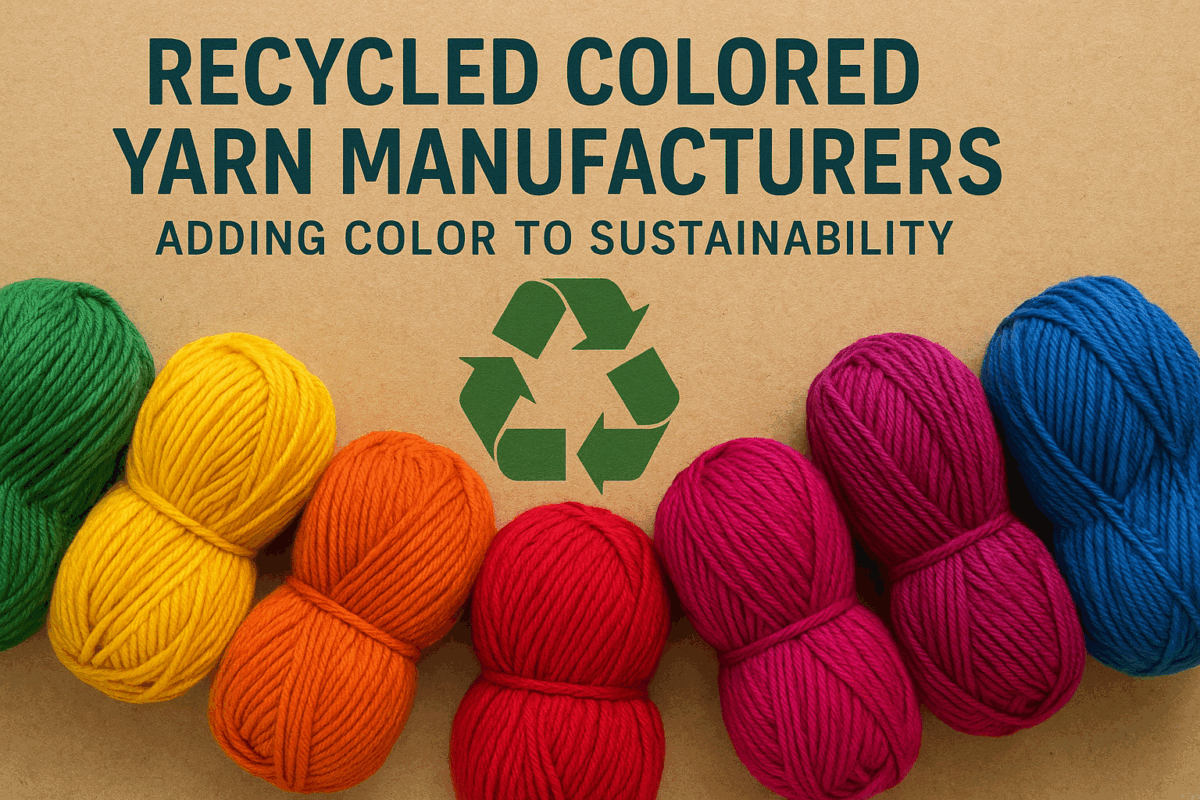
Recycled Colored Yarn Manufacturers: Adding Color to Sustainability

Recycled Colored Yarn Manufacturers: Adding Color to Sustainability

In today’s fast-paced fashion and textile industry, the conversation around sustainability is no longer optional — it’s essential. Among the most impactful innovations in this space is Recycled Colored Yarn Manufacturing, a process that combines eco-conscious production with vibrant, high-quality colors. These manufacturers are not just producing yarn; they are redefining how the industry approaches waste, resources, and creativity.

What Is Recycled Colored Yarn?

Recycled colored yarn is produced using pre-consumer and post-consumer textile waste, such as discarded garments, fabric scraps, and leftover industrial materials. Instead of dyeing new fibers, these materials are sorted by color during the recycling process, allowing manufacturers to produce yarn in various shades without the need for additional chemical dyes.

This approach significantly reduces water usage, chemical waste, and energy consumption — three major environmental concerns in traditional textile dyeing.

The Environmental Benefits

The biggest advantage of recycled colored yarn manufacturing lies in its drastic reduction in environmental impact. Here’s how it makes a difference:

  1. No Extra Dyeing Needed
    Traditional dyeing consumes massive amounts of water and introduces harmful chemicals into rivers and soil. By using pre-colored textile waste, manufacturers eliminate or minimize this step entirely.
  2. Lower Carbon Footprint
    Since the process avoids energy-intensive dye baths, recycled colored yarn production has a significantly smaller carbon footprint.
  3. Reduced Landfill Waste
    Every kilogram of recycled yarn means less textile waste dumped in landfills, extending the lifecycle of fabrics that would otherwise be discarded.

Water Conservation
Conventional textile dyeing can use up to 200 liters of water for every kilogram of fabric. Recycled colored yarn production uses a fraction of that amount, making it a more water-responsible choice.

The Process Behind Recycled Colored Yarn

The journey from discarded textiles to vibrant, eco-friendly yarn involves several steps:

  1. Collection & Sorting
    Textile waste is collected from factories, garment brands, and recycling centers. Skilled workers or automated systems sort them by color and fabric type.
  2. Shredding & Fiber Extraction
    The textiles are mechanically shredded into smaller pieces, and fibers are separated from other materials like zippers, buttons, and elastic.
  3. Blending for Strength & Color
    The fibers are blended to ensure durability and evenness of color. Sometimes, a small amount of virgin fiber is added to improve the yarn’s strength.
  4. Spinning into Yarn
    The blended fibers are spun into yarn using advanced machinery, resulting in threads that are ready for weaving, knitting, or other textile applications.

Quality Checks
Each batch undergoes strict testing to ensure colorfastness, strength, and consistency — so the final product is both sustainable and high-quality.

Applications in Fashion & Beyond

Recycled colored yarn is versatile, making it a favorite in multiple industries:

  • Fashion & Apparel – Sweaters, t-shirts, scarves, and hats.
  • Home Textiles – Carpets, cushion covers, and throws.
  • Industrial Uses – Upholstery fabrics, automotive interiors, and promotional merchandise.

Designers love recycled colored yarn because it allows them to maintain aesthetic variety without compromising environmental responsibility.

Why Brands Are Switching to Recycled Colored Yarn

As consumers become more eco-conscious, brands are under pressure to meet sustainability goals while keeping products appealing and marketable. Recycled Colored Yarn Offers:

  • Cost Efficiency – Lower energy and water costs compared to traditional production.
  • Authentic Sustainability Story – Brands can market products with genuine eco-friendly credentials.

Unique Aesthetics – Natural color variations create a distinctive, “earthy” look that resonates with sustainable fashion trends.

Challenges in the Industry

Despite its benefits, recycled colored yarn manufacturing faces challenges:

  • Quality Consistency – Variations in textile waste quality can affect yarn strength and texture.
  • Supply Chain Limitations – A steady supply of sorted textile waste is necessary for consistent production.
  • Consumer Awareness – Many buyers are still unaware of the environmental benefits of recycled yarn, requiring education and marketing.

The Future of Recycled Colored Yarn

With advancements in recycling technology, fiber recovery, and automated sorting, the quality of recycled colored yarn is improving rapidly. The trend is supported by global sustainability movements, government regulations, and rising consumer demand for greener products.

In the coming years, we can expect:

  • Wider Color Ranges – Improved sorting methods will allow for more vibrant, precise shades.
  • Higher Fiber Quality – Blending techniques will reduce the need for virgin fibers.
  • Mainstream Adoption – Large-scale fashion houses and retailers integrating recycled colored yarn into their core collections.

Conclusion

Recycled Colored Yarn Manufacturers are proving that sustainability doesn’t have to mean sacrificing beauty or quality. By turning textile waste into colorful, versatile yarn, they are breathing new life into discarded fabrics while protecting natural resources.

In a world where the fashion industry is often criticized for its environmental footprint, these manufacturers are adding color to sustainability — one vibrant, recycled thread at a time.

The Science Behind Recycled Yarn: Strength, Durability, and Performance

The Science Behind Recycled Yarn: Strength, Durability, and Performance

In the modern textile industry, sustainability has taken center stage, with Recycled Yarn emerging as a game-changing solution for reducing environmental impact. But while the eco-friendly benefits of recycled yarn are well-known, many manufacturers, retailers, and consumers still have questions about its strength, durability, and overall performance. Can recycled yarn truly stand up to the demands of the textile industry, particularly when used in garments, fabrics, and home textiles?

At KS Spinning Mills, we’ve invested in cutting-edge technology and continuous research to ensure that our 100% recycled cotton-poly blended yarn not only meets but exceeds industry standards for strength and durability. This blog explores the science behind recycled yarn, demonstrating why it’s a strong, durable, and high-performance option for modern textiles.

1. Understanding Recycled Yarn Composition

Recycled yarn is made by repurposing textile waste, such as post-consumer garments or fabric scraps, and blending it with recycled polyester (rPET) derived from plastic bottles. At KS Spinning Mills, our cotton-poly blends are engineered to maintain the optimal balance of natural and synthetic fibers. Cotton offers softness and breathability, while polyester contributes strength, durability, and moisture-wicking properties. This blend creates a versatile yarn suitable for various textile applications, from garments to home textiles.

a. Mechanical Recycling Process

The production of recycled yarn typically involves mechanical recycling, a process that transforms discarded textiles into new fibers. In this process, the textile waste is collected, sorted by material, and mechanically shredded into small fibers. These fibers are then spun into yarn using the same methods used for virgin fibers. Advanced technology ensures that the quality of the resulting yarn remains high, even after multiple recycling cycles.

2. Strength and Durability: How Recycled Yarn Measures Up

One of the common misconceptions about recycled yarn is that it lacks the strength and durability of virgin fibers. However, scientific advancements in yarn manufacturing have proven otherwise. Recycled yarn undergoes rigorous testing to ensure it meets the same performance standards as traditional yarns.

a. Fiber Integrity

During the mechanical recycling process, some fiber degradation occurs, particularly with natural fibers like cotton. However, this is mitigated by blending the recycled cotton with recycled polyester, which enhances the overall strength and durability of the yarn. Polyester, known for its toughness and resistance to wear, helps reinforce the cotton fibers, resulting in a final product that retains the softness of cotton with the added durability of synthetic fibers.

b. Spinning Techniques

Advanced spinning techniques are key to maintaining the strength and integrity of Recycled Yarn. At KS Spinning Mills, we use precision spinning methods that ensure the fibers are tightly bound together, resulting in a yarn that is both strong and consistent. This precision also minimizes the occurrence of weak spots or breaks, ensuring that the yarn performs well under stress, whether in apparel, home textiles, or industrial fabrics.

3. Performance in Textiles: Meeting the Demands of the Industry

Recycled yarn must not only be strong and durable but also perform well in the diverse applications it’s used for. Whether in garments, upholstery, or bed linens, recycled yarn needs to meet the same expectations as its virgin counterparts. Here’s how recycled yarn excels in key performance areas:

a. Moisture Management

One of the standout properties of polyester is its moisture-wicking ability. When blended with recycled cotton, it enhances the fabric’s capacity to pull moisture away from the skin, keeping the wearer dry and comfortable. This makes recycled yarn ideal for activewear, bedding, and other textiles that require breathability and moisture control.

b. Resistance to Wear and Tear

Thanks to the polyester blend, recycled yarn exhibits excellent resistance to abrasion and wear. This means textiles made from recycled yarn are less prone to pilling, tearing, or fraying, even after extended use. For garments and home textiles that are subject to frequent washing and heavy use, this durability is essential. Upholstery fabrics, for example, benefit from the added resilience of recycled yarn, maintaining their integrity over time.

c. Color Retention

Recycled yarn is also highly effective at retaining color, even after repeated washing. The polyester component helps maintain the vibrancy of the dye, ensuring that textiles made from recycled yarn look new for longer. This makes it an attractive option for fashion brands, interior designers, and retailers who want to offer long-lasting, high-quality products.

4. Environmental Impact and Circularity

The environmental benefits of recycled yarn cannot be overstated. Traditional cotton production is water-intensive, and polyester production relies on fossil fuels. By using recycled materials, the textile industry significantly reduces its consumption of water, energy, and raw materials. The recycled polyester used in yarn is derived from post-consumer plastic bottles, giving new life to waste that would otherwise end up in landfills.

Moreover, the production of recycled yarn emits fewer greenhouse gases compared to virgin fiber production, contributing to a lower carbon footprint. This makes it an environmentally responsible choice for manufacturers and brands looking to reduce their ecological impact.

5. Certifications and Quality Assurance

Recycled yarn is rigorously tested to ensure it meets international quality and sustainability standards. At KS Spinning Mills, our recycled yarn undergoes extensive quality control measures to ensure it performs as expected in various textile applications. Certifications like the Global Recycled Standard (GRS) and OEKO-TEX® provide additional assurance that our yarn is not only high-quality but also produced in an environmentally and socially responsible manner.

Conclusion: Recycled Yarn—A High-Performance, Sustainable Choice

The science behind recycled yarn is clear: it is a strong, durable, and high-performing material that meets the demands of the modern textile industry. At KS Spinning Mills, we are committed to pushing the boundaries of recycled yarn technology, ensuring that our cotton-poly blended yarn delivers the same level of performance as traditional yarn while offering significant environmental benefits.

By choosing recycled yarn, manufacturers, retailers, and consumers can enjoy the best of both worlds—high-quality textiles that perform well and contribute to a more sustainable future. As the demand for eco-friendly products continues to grow, Recycled Yarn will play a crucial role in shaping the textiles of tomorrow.

Join us in embracing the power of recycled yarn and revolutionizing the way we think about strength, durability, and performance in textiles.