Sweater Yarn Manufacturing

Top Trends in Sweater Yarn Manufacturing for Eco-Friendly Fashion

By KS Spinning Mills | ksspinningmills.com

The global fashion industry is undergoing a massive transformation as sustainability becomes the new standard rather than a niche preference. Consumers, brands, and manufacturers are all shifting toward materials that are not only stylish and durable but also environmentally responsible. At the heart of this transformation lies the evolution of Sweater Yarn Manufacturing, where innovation, recycling, and eco-friendly production techniques are shaping the future of textile fashion.

As one of India’s trusted leaders in recycled and sustainable yarn manufacturing, KS Spinning Mills stays at the forefront of this revolution. In this detailed guide, we explore the top trends influencing eco-friendly sweater yarn manufacturing and how they are changing the way fashion is made.

1. Rising Demand for Recycled Sweater Yarn

The most influential shift in the industry today is the rise of recycled yarn. With growing awareness about textile waste pollution, brands are moving toward materials sourced from:

  • Post-consumer garment waste
  • Post-industrial cotton waste
  • Recycled polyester (from PET bottles)
  • Recycled wool scraps
  • Blend waste (cotton-poly, cotton-viscose, etc.)

Recycled sweater yarn offers comparable strength, softness, and performance to virgin yarn—making it a preferred choice for eco-conscious apparel manufacturers.

KS Spinning Mills has been pioneering the use of premium recycled cotton blends and recycled yarn varieties that offer outstanding durability and comfort, perfect for sweater manufacturing.

2. The Shift Toward Natural Fiber Blends

While synthetic fibers were once dominant in winter fashion, eco-friendly fashion trends have led to a revival of natural and nature-based fiber blends in Sweater Yarn Manufacturing.

Popular choices include:

  • Recycled Cotton + Wool
  • Recycled Cotton + Viscose
  • Cotton + Tencel / Modal blends
  • Organic Cotton with recycled components

These blends provide:

✔ Better breathability
✔ Superior softness
✔ Enhanced moisture control
✔ A more natural hand feel

KS Spinning Mills specializes in cotton-based sweater yarn blends, ensuring both sustainability and premium quality.

3. GRS-Certified Yarn and Traceability

Modern fashion brands demand transparency. Certifications like GRS (Global Recycled Standard) have become essential for sweater yarn manufacturers seeking to supply international markets.

GRS certification ensures:

  • Verified recycled content
  • Ethical and safe production practices
  • Complete traceability across the supply chain
  • Non-toxic dyes and sustainable chemicals
  • Social and environmental compliance

KS Spinning Mills adheres to global standards and offers GRS-certified recycled yarn, reinforcing authenticity and trust for international fashion brands.

4. Melange and Heather Shades Continue to Dominate

Eco-friendly fashion celebrates natural, earthy, and recycled-inspired aesthetics. That’s why melange and heather tones have become a major trend in sweater yarn manufacturing.

Why melange yarns are trending:

  • Unique color depth and texture
  • Premium, natural look
  • Matches sustainable fashion aesthetics
  • Created using mixed waste fibers, enhancing recyclability

These shades work beautifully for knitted sweaters, cardigans, winter tops, and premium export garments.

KS Spinning Mills offers a wide variety of melange shades crafted from recycled fiber blends, giving brands endless creative possibilities.

5. High-Performance Eco Yarn for Functional Fashion

Consumers today don’t just want eco-friendly fashion—they want high-performance functionality. This demand has led sweater yarn manufacturers to develop yarns that offer:

  • Pilling resistance
  • Longer durability
  • Thermal insulation
  • Soft touch with high tensile strength
  • Odor control
  • Moisture-wicking properties

Recycled cotton and blended eco yarns offer these performance benefits naturally. Through advanced spinning processes, KS Spinning Mills ensures consistent yarn quality suitable for both hand knitting and industrial knitting machines.

6. Low-Impact Dyeing & Color-Saving Technologies

Eco-friendly sweater yarn manufacturing now focuses heavily on low-impact dyeing to reduce water and chemical waste.

Popular dyeing trends include:

✔ Dope-Dyed Yarns

Color pigments are mixed with raw material before fiber extrusion—no additional dyeing needed.

✔ Color-Saved Yarns Using Recycled Fibers

Recycled fibers already come with pre-dyed waste, eliminating the need for chemical dyes.

✔ Low Liquor-Ratio Dyeing

Minimizes water and energy consumption.

KS Spinning Mills prioritizes color-preserved recycled yarns, significantly reducing dyeing requirements and environmental impact.

7. Demand for Chunky and Textured Sweater Yarns

As fashion evolves, chunky textured knits remain a major trend. In sweater yarn manufacturing, this has led to innovations in:

  • Slub yarn
  • Roving yarn
  • Loop yarn
  • Thick-n-thin yarn
  • Multi-ply chunky yarn

These yarns create bold patterns and visually rich sweaters while maintaining eco-friendly material integrity.

Recycled chunky yarn blends from KS Spinning Mills offer the perfect balance between sustainability and high fashion.

8. Zero-Waste Production & Circular Fashion

Eco-friendly fashion thrives on the principles of circularity, and sweater yarn manufacturing is now aligned with:

✔ Zero-waste fiber recycling

All spinning waste is reprocessed back into yarn.

✔ Closed-loop manufacturing

Recycling systems that continuously reuse textile waste.

✔ Sustainable packaging

Using biodegradable, recycled, or minimal packaging.

✔ Extended garment life

Creating yarn that lasts longer, reducing garment disposal.

KS Spinning Mills actively participates in circular textile initiatives, ensuring that minimal waste reaches landfills.

9. Smart Manufacturing With Automation & AI

To meet international sustainability goals, sweater yarn manufacturers are investing in advanced technologies such as:

  • Automated sorting of fiber waste
  • Precision carding and combing systems
  • IoT-based spinning machinery
  • AI-driven quality control
  • Real-time production monitoring

These systems ensure that sweater yarn is:

✔ More uniform
✔ More durable
✔ Higher in strength
✔ Lower in defects

KS Spinning Mills integrates these advanced systems to consistently deliver world-class recycled yarn for global sweater manufacturers.

10. Ethical and Fair-Trade Production

Eco-friendly fashion is not limited to materials—it extends to the people involved in production.

Ethical manufacturing practices include:

  • Safe working conditions
  • Fair wages
  • No child labor
  • Worker welfare systems
  • Transparent sourcing
  • Social compliance certifications

KS Spinning Mills maintains ethical manufacturing standards and collaborates with brands focused on sustainable and socially responsible clothing.

Conclusion

The world of Sweater Yarn Manufacturing is rapidly evolving, driven by sustainability, innovation, and consumer demand for eco-friendly fashion. From recycled yarns and melange blends to ethical production and low-impact dyeing, every stage of manufacturing is becoming greener and more future-focused.

At KS Spinning Mills, we are committed to delivering high-quality recycled yarn solutions that empower brands to create stylish, durable, and sustainable winter garments. By embracing these trends, sweater manufacturers can lead the future of eco-conscious apparel.
KS Spinning Mills

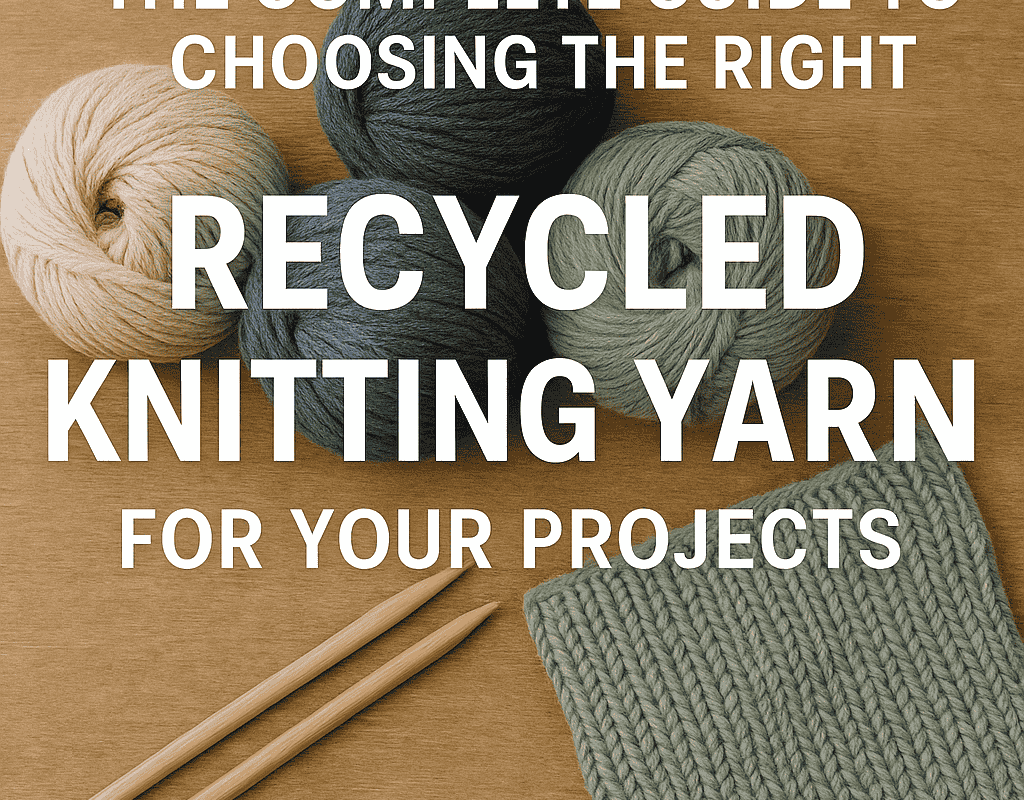
The Complete Guide to Choosing the Right Recycled Knitting Yarn for Your Projects

Sustainable creativity is shaping the future of the textile and fashion world, and at the center of this movement is Recycled Knitting Yarn—a smart, eco-friendly, and high-performance choice for knitters, designers, and conscious brands. Whether you are crafting garments, accessories, home décor, or high-value textile products, selecting the right recycled yarn is crucial to achieving the quality, appearance, and durability your project demands.

At KS Spinning Mills, we pride ourselves on being one of India’s leading manufacturers of premium recycled yarns crafted from post-consumer and post-industrial textile waste. This complete guide will help you understand everything you need to know before choosing your next recycled knitting yarn.

1. What Is Recycled Knitting Yarn?

Recycled knitting yarn is made by reprocessing textile waste—such as fabric scraps, used garments, and industrial cuttings—into new fibers that can be spun into high-quality yarn. This process significantly reduces landfill waste, saves water, conserves energy, and lowers carbon emissions.

Depending on the manufacturing technique, recycled yarns can be produced from:

  • Cotton garment waste
  • PET bottles (recycled polyester)
  • Wool and acrylic waste
  • Blend waste (cotton-poly, cotton-viscose, etc.)

KS Spinning Mills specializes in recycled cotton and cotton-blended yarns, known for their excellent softness, strength, and eco-performance.

2. Why Choose Recycled Knitting Yarn?

Selecting Recycled Knitting Yarn is not only a responsible choice—it also delivers superior functional and aesthetic benefits.

✔ Eco-Friendly and Sustainable

Recycled yarn dramatically reduces the environmental burden associated with virgin fiber production.

✔ Cost-Effective

Recycled yarn is often more affordable than virgin yarn without compromising performance.

✔ Stylish and Versatile

Available in unique color blends and textures that add character to handmade and commercial knitted products.

✔ Excellent for Circular Fashion Brands

Fashion houses and textile manufacturers are increasingly shifting to recycled yarn for meeting sustainability targets and certifications.

3. Understanding the Types of Recycled Knitting Yarn

Before choosing the right yarn, it’s important to understand your options.

1. Recycled Cotton Yarn

Soft, breathable, lightweight, and ideal for all-season garments.

Perfect for:

  • Sweaters
  • Baby wear
  • Summer tops
  • Home textiles (throws, cushion covers)

2. Recycled Polyester Yarn (rPET)

Made from recycled PET bottles, offering durability and wrinkle resistance.

Perfect for:

  • Sportswear
  • Socks
  • Outdoor clothing

3. Recycled Wool Yarn

Warm, cozy, and excellent for winter projects.

Perfect for:

  • Scarves
  • Caps
  • Winter sweaters and blankets

4. Blended Recycled Yarn

A combination of recycled cotton, polyester, viscose, or acrylic.

Perfect for:

  • High-strength fabrics
  • Knitted accessories
  • Commercial textile applications

At KS Spinning Mills, we manufacture a wide range of cotton-based recycled yarn suitable for knitting, weaving, and industrial textile production.

4. Key Factors to Consider When Choosing Recycled Knitting Yarn

To make the right choice, evaluate the following factors closely.

1. Yarn Count (Thickness)

Yarn count defines how thick or fine your yarn is.

  • Finer counts (20s, 24s, 30s) – Lightweight garments
  • Medium counts (10s, 12s, 16s) – Sweaters, tops
  • Coarse counts (6s, 8s) – Home décor, rugs, chunky knits

KS Spinning Mills provides recycled yarn in multiple counts based on project requirements.

2. Fiber Composition

Fiber blends impact durability, elasticity, and softness.

Examples:

  • Recycled Cotton + Polyester – Strength and color fastness
  • Recycled Cotton + Viscose – Soft and breathable
  • 100% Recycled Cotton – Natural feel, eco-friendly

Choose a composition that matches the performance your project needs.

3. Color and Shade Matching

Recycled yarn often comes in melange or heather tones, giving a natural and premium look.

If you require:

  • Consistent shades → opt for standardized blend recipes
  • Natural variations → choose mixed color recycled yarn

KS Spinning Mills ensures excellent color consistency through advanced blending technology.

4. Project Purpose

Match yarn characteristics to your project:

Project TypeBest Yarn Type
Summer clothingRecycled cotton, fine counts
Winter garmentsRecycled wool blends
Home décorCoarse recycled yarn
Commercial productionDurable recycled blends

5. Environmental Certifications

Choose recycled yarn backed by sustainable practices and certifications such as:

  • GRS (Global Recycled Standard)
  • OEKO-TEX
  • ISO Quality Standards

KS Spinning Mills offers GRS-certified recycled yarns, reinforcing trust and traceability.

5. Top Benefits of KS Spinning Mills’ Recycled Knitting Yarn

When you choose recycled yarn from KS Spinning Mills, you benefit from:

✔ Superior Quality Control

State-of-the-art spinning machinery ensures reliable yarn strength, uniformity, and finish.

✔ Customizable Yarn Solutions

We offer tailored yarn counts, blends, and shades for your specific project needs.

✔ Sustainable Manufacturing

Our recycling and spinning ecosystems reduce water waste, energy consumption, and carbon footprint.

✔ Strong Supply Capability

We support bulk, regular, and long-term orders for global knitting and apparel manufacturers.

6. Tips for Working With Recycled Knitting Yarn

To ensure the best experience, keep these tips in mind:

1. Use the Correct Needle Size

Match needle thickness to yarn count for smooth knitting.

2. Swatch Before Starting

Make a small sample to check tension, drape, and stretch.

3. Avoid Overstretching

Recycled yarn may have less elasticity—maintain gentle tension.

4. Select the Right Pattern

Chunky recycled yarns suit textured patterns; fine yarns suit intricate lace work.

5. Store Properly

Keep yarn in a dry, clean place to maintain fiber strength and freshness.

7. Why Recycled Knitting Yarn Is the Future of Sustainable Textiles

As global demand shifts toward ethical fashion and environmentally conscious production, recycled knitting yarn is becoming an essential choice for designers, exporters, and textile manufacturers.

With advantages like reduced ecological impact, cost savings, unique aesthetics, and excellent performance, it is no longer just an alternative—it’s a preferred material for modern textile innovation.

At KS Spinning Mills, we are committed to pushing the boundaries of sustainable yarn solutions, ensuring that every cone of yarn contributes to a greener planet and a stronger textile future.

Conclusion

Choosing the right Recycled Knitting Yarn can significantly enhance the quality, durability, and sustainability of your knitting or textile project. By considering factors like fiber composition, count, color, and certifications, you can confidently select the best yarn for your needs.

For high-quality, GRS-certified recycled yarns crafted with precision and sustainability in mind, KS Spinning Mills is your trusted partner.

From Fiber to Fabric: How Sustainable Yarn Manufacturers Are Revolutionizing the Textile Industry

From Fiber to Fabric: How Sustainable Yarn Manufacturers Are Revolutionizing the Textile Industry

In today’s environmentally conscious world, sustainability in fashion and textiles is no longer a trend — it’s a necessity. As global awareness around environmental impact grows, manufacturers are shifting their focus from mass production to eco-responsibility. At the core of this transformation are Sustainable Yarn Manufacturers, like KS Spinning Mills, who are reshaping the textile supply chain from the ground up — starting with the very fiber used to make fabric.

This blog explores how Sustainable Yarn Manufacturers are revolutionizing the textile industry — from sourcing raw materials to innovative production methods — and how KS Spinning Mills is leading the way in building a cleaner, greener future for fashion and textiles.

🌱 The Sustainability Challenge in Textiles

The traditional textile industry is one of the largest contributors to global pollution. Conventional yarn and fabric production involve:

  • Excessive water usage
  • High energy consumption
  • Harmful chemical dyes and treatments
  • Massive textile waste
  • Poor labor practices in developing countries

The shift toward sustainability addresses not only environmental concerns, but also ethical and social responsibilities. And it all starts with the yarn — the very foundation of every textile product.

🧵 What Is Sustainable Yarn?

Sustainable yarn refers to fibers produced with minimal environmental impact, using processes that are resource-efficient, ethically managed, and socially responsible. These yarns are often made from:

  • Organic fibers (like organic cotton, hemp, or bamboo)
  • Recycled fibers (from plastic bottles, textile waste, or discarded garments)
  • Biodegradable or plant-based fibers

Low-impact dyed fibers using waterless or closed-loop dyeing processes

🔁 The Journey: From Fiber to Fabric (Sustainably)

Let’s break down how manufacturers like KS Spinning Mills are revolutionizing the textile industry at each stage — from raw fiber to finished fabric.

1️⃣ Sourcing Sustainable Raw Materials

KS Spinning Mills begins the process with carefully selected raw materials. Unlike conventional yarn manufacturers that rely on resource-heavy cotton or synthetic fibers, KS focuses on:

  • Organic Cotton: Grown without synthetic fertilizers or pesticides, reducing soil and water pollution.
  • Recycled Polyester: Created from post-consumer PET bottles, cutting down plastic waste and carbon emissions.
  • Eco-friendly Blends: Including blends with hemp, TENCEL™, or bamboo for added softness and breathability.

Sourcing these materials responsibly is the first critical step in lowering the overall environmental footprint of textile production.

2️⃣ Eco-Friendly Yarn Production

Once raw materials are sourced, the next step is spinning them into yarn. KS Spinning Mills utilizes advanced machinery and clean technologies to make this process as green as possible.

Key sustainable practices include:

  • Energy-efficient spinning: Modern machines that use less electricity
  • Low-emission operations: Reducing carbon dioxide output during production
  • Waste management systems: Reusing and recycling production waste
  • Waterless dyeing technologies: Including air dyeing and CO₂-based systems that use minimal to no water

These innovations significantly reduce the environmental burden compared to traditional yarn production.

3️⃣ Ethical Manufacturing Practices

Sustainability isn’t just about the environment — it’s also about people.

KS Spinning Mills prioritizes ethical labor practices, ensuring safe working conditions, fair wages, and social welfare programs for all employees. The company complies with international standards and certifications like:

  • GOTS (Global Organic Textile Standard)
  • OEKO-TEX® Standard 100
  • ISO Environmental and Quality Management

By fostering ethical partnerships and empowering workers, KS is helping build a textile industry that’s just as fair as it is sustainable.

4️⃣ Low-Impact Dyeing and Finishing

The dyeing stage is one of the most polluting in textile production. Traditional dyeing methods consume thousands of liters of water and use toxic chemicals that often pollute rivers and harm local ecosystems.

To tackle this, KS Spinning Mills has implemented:

  • Waterless dyeing technologies
  • Closed-loop water systems that recycle up to 95% of water
  • Natural and low-impact dyes free from AZO and heavy metals
  • Digital dyeing and printing to reduce fabric waste

These sustainable dyeing practices not only reduce water usage but also produce vibrant, long-lasting colors with minimal ecological harm.

5️⃣ Quality Control with a Green Mindset

Durability is a key aspect of sustainability. Poorly made textiles contribute to fast fashion waste — one of the biggest environmental challenges today.

KS Spinning Mills ensures that all yarns meet high performance standards through rigorous quality testing. This ensures that the final fabrics are:

  • Strong and durable
  • Resistant to wear and washing
  • Safe for sensitive skin
  • Biodegradable or recyclable at end-of-life

By producing long-lasting yarns, KS helps reduce overproduction and overconsumption — two major drivers of environmental degradation in the fashion industry.

6️⃣ Supporting a Circular Economy

One of the most impactful contributions KS Spinning Mills is making to the textile industry is its support for a circular economy — a model where materials are kept in use for as long as possible through recycling and reuse.

The company is actively:

  • Partnering with brands focused on zero-waste fashion
  • Collecting and reprocessing textile waste into new yarns
  • Educating clients on designing for recyclability
  • Offering take-back programs and consulting on end-of-life garment solutions

This closed-loop approach reduces the need for virgin raw materials and minimizes textile waste sent to landfills.

🌍 Real-World Impact: What Makes KS Spinning Mills Stand Out?

Here’s how KS Spinning Mills is revolutionizing the industry:

20% reduction in water usage per kilogram of yarn
35% of yarns produced using recycled or organic materials
95% of textile waste is recycled or repurposed internally
✅ Partnerships with global brands for eco-friendly apparel lines
✅ Compliance with leading sustainability certifications Their mission is clear: “Transform the yarn industry through innovation, responsibility, and a commitment to the planet.”

🔮 What’s Next? The Future of Sustainable Yarn Manufacturing

The future of textile production is green — and it’s being shaped by companies like KS Spinning Mills. We’re already seeing:

  • Increased use of AI and automation for precision manufacturing
  • Greater traceability through blockchain and QR code labeling
  • Development of bio-based and lab-grown fibers
  • Expansion of circular fashion models
  • Integration of smart and functional yarns (e.g., UV-resistant, antibacterial)

KS Spinning Mills continues to invest in R&D, sustainability education, and eco-certification to stay at the forefront of these innovations.

💡 Final Thoughts

From fiber to fabric, the journey of sustainable yarn is reshaping the future of textiles — one thread at a time. With companies like KS Spinning Mills leading the way, the industry is moving toward a more responsible, ethical, and environmentally friendly model.

By embracing sustainable yarns, brands and consumers alike are contributing to a cleaner planet, healthier communities, and a more circular economy.

🔍 Ready to Make the Switch to Sustainable Yarns?

Whether you’re a brand, manufacturer, or conscious consumer, KS Spinning Mills is your trusted partner in high-quality, eco-friendly yarn solutions. Contact us today to learn more about our sustainable yarn offerings, certifications, and custom development services.

Why Choosing an IDFL Certified Yarn Manufacturer Matters for Sustainable Fashion

Why Choosing an IDFL Certified Yarn Manufacturer Matters for Sustainable Fashion

In the modern textile industry, sustainability is no longer a choice—it’s a responsibility. With global fashion brands and conscious consumers demanding greater accountability, manufacturers are turning to certified practices that prove their commitment to environmental and ethical production. One such globally recognized standard is IDFL certification.

For companies like KS Spinning Mills, being an IDFL Certified Yarn Manufacturer is more than a badge of honor—it’s a testament to our dedication to creating high-quality, eco-friendly yarns that support a sustainable fashion ecosystem.

In this blog, we’ll explore what IDFL certification means, why it’s crucial for the fashion industry, and how choosing an IDFL Certified Yarn Manufacturer can make a meaningful difference for the planet and your brand.

What is IDFL Certification?

IDFL (International Down and Feather Laboratory and Institute) is one of the world’s leading certification bodies for textile and apparel quality assurance. Established in 1978, IDFL has grown to certify a wide range of textile materials including yarns, fabrics, recycled fibers, and apparel components.

When a yarn manufacturer like KS Spinning Mills becomes IDFL Certified, it means our products have been tested and verified according to strict international standards of:

  • Sustainability and traceability
  • Fiber content authenticity
  • Recycled material verification
  • Quality consistency and durability
  • Ethical and environmentally responsible production

In essence, IDFL certification ensures that every spool of yarn you use contributes to a cleaner, safer, and more transparent textile supply chain.

The Need for Sustainability in Fashion

The global fashion industry is one of the largest contributors to environmental pollution. From water contamination and microplastic release to textile waste and carbon emissions, the impact is staggering.

Consumers are becoming increasingly aware of these challenges, and brands are under pressure to deliver sustainable, traceable, and ethical products.

That’s where certified yarn manufacturers come in. Choosing yarns that are produced in compliance with international sustainability standards—like those verified by IDFL—helps ensure that the foundation of every garment is eco-friendly from the start.

Sustainability begins at the yarn stage, and KS Spinning Mills plays a vital role in this transformation.

Why IDFL Certification Matters in Yarn Manufacturing

Let’s dive into why IDFL certification is so valuable and what makes it a trusted mark for sustainable yarns.

1. Verified Recycled Content

With the rise of circular fashion, recycled yarns have become essential for reducing textile waste. IDFL verifies the authenticity of recycled materials used in yarn production—ensuring that claims like “100% recycled yarn” are genuine and traceable.

At KS Spinning Mills, we use post-consumer and post-industrial textile waste to create high-quality recycled yarn fabrics, certified and approved by IDFL standards. This reduces the need for virgin raw materials and minimizes environmental impact.

2. Transparency and Traceability

Transparency is the cornerstone of sustainable manufacturing. IDFL-certified yarn manufacturers follow strict traceability protocols—tracking every stage of production, from raw material sourcing to final packaging.

By partnering with KS Spinning Mills, brands can confidently showcase their supply chain transparency, knowing their yarns are traceable, ethically sourced, and verified by a globally recognized body.

3. Consistent Quality Assurance

Sustainability is not just about being eco-friendly; it’s also about longevity and durability. IDFL ensures that certified yarns maintain consistent strength, texture, and performance quality—helping brands produce garments that last longer and reduce waste over time.

Our state-of-the-art spinning technology at KS Spinning Mills ensures every yarn meets the same high standard of quality and sustainability.

4. Global Credibility and Compliance

IDFL certification is globally recognized by textile buyers, importers, and sustainable fashion brands. Choosing an IDFL Certified Yarn Manufacturer like KS Spinning Mills provides your brand with international credibility and aligns your products with global sustainability benchmarks such as GOTS, GRS, and OEKO-TEX.

This not only enhances your brand image but also simplifies export approvals and client audits—saving both time and resources.

5. Supporting the Circular Economy

An IDFL Certified Yarn Manufacturer actively contributes to the circular textile economy—an approach focused on minimizing waste and reusing materials.

At KS Spinning Mills, we take discarded fabrics, leftover cotton, and industrial textile waste, and spin them into new, high-performance yarns. This process reduces landfill waste, conserves natural resources, and closes the loop on textile production.

The KS Spinning Mills Advantage

As an IDFL Certified Yarn Manufacturer, KS Spinning Mills stands at the forefront of the sustainable textile movement. Our commitment goes beyond certification—it’s a continuous pursuit of innovation, responsibility, and transparency.

Here’s what makes us stand out:

  • Eco-Friendly Manufacturing: We use renewable energy sources and water-efficient systems.
  • Certified Quality: Our yarns are tested and verified under IDFL and other international standards.
  • Recycled Yarn Expertise: We specialize in producing recycled and blended yarns without compromising quality.
  • Client-Centric Solutions: We customize yarns based on our partners’ specific sustainability goals.
  • Global Partnerships: Our yarns are trusted by leading textile and apparel brands worldwide.

By choosing KS Spinning Mills, you’re not just selecting a supplier—you’re partnering with a sustainability-driven manufacturer that values the planet as much as performance.

How Brands Benefit from Choosing an IDFL Certified Manufacturer

Partnering with an IDFL Certified Yarn Manufacturer like KS Spinning Mills brings tangible benefits for your brand:

  1. Enhanced Brand Credibility: Certification builds trust among eco-conscious consumers.
  2. Sustainable Product Claims: Confidently market your garments as certified sustainable.
  3. Regulatory Compliance: Meet international sustainability requirements easily.
  4. Improved Supply Chain Transparency: Showcase your brand’s ethical sourcing practices.
  5. Positive Environmental Impact: Reduce waste, carbon footprint, and pollution.

In a competitive market where consumers are willing to pay more for sustainable fashion, IDFL certification becomes a strategic advantage that boosts brand reputation and customer loyalty.

Conclusion: Sustainability Begins with Certified Yarns

Sustainable fashion is built from the ground up—and it all starts with the yarn. By choosing an IDFL Certified Yarn Manufacturer like KS Spinning Mills, brands ensure that every thread woven into their fabrics reflects integrity, responsibility, and environmental consciousness.

At KS Spinning Mills, we believe that the future of textiles lies in transparent, certified, and circular production. Together, we can redefine fashion—making it more sustainable, ethical, and future-ready.