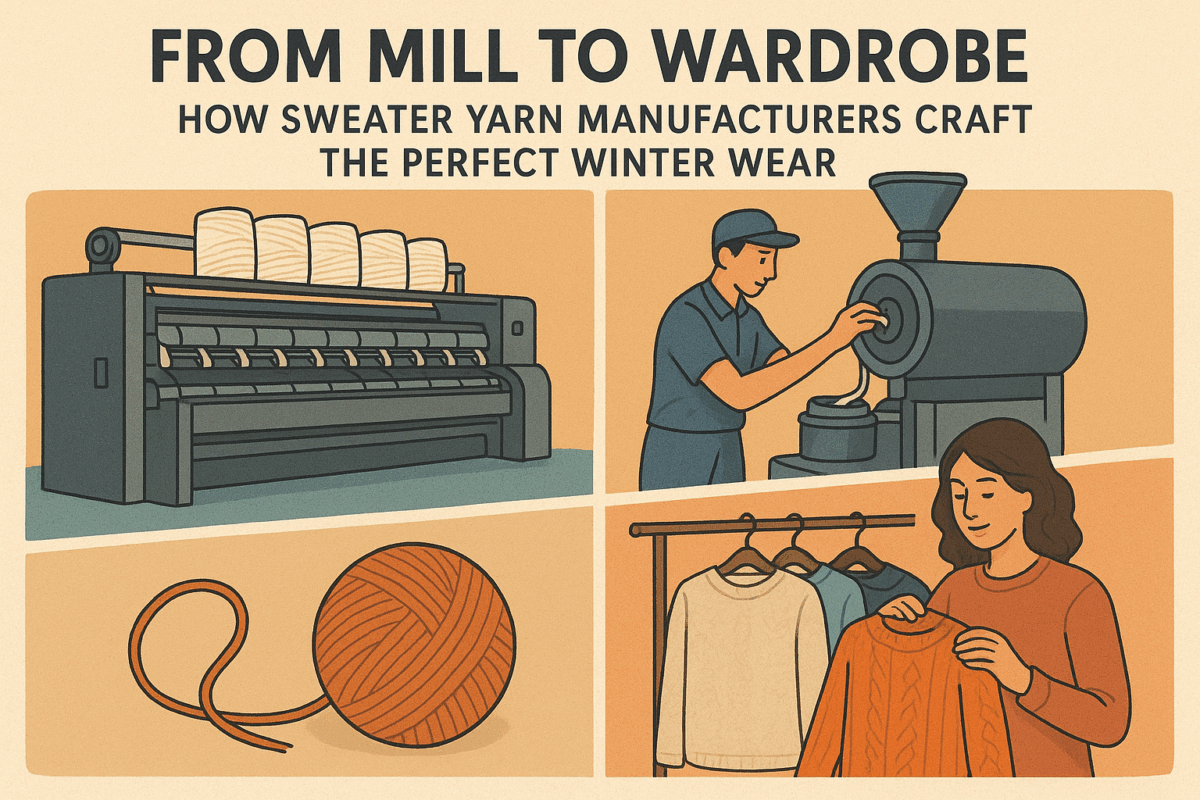
Recycled Colored Yarn Manufacturers: Adding Color to Sustainability

Recycled Colored Yarn Manufacturers: Adding Color to Sustainability

In today’s fast-paced fashion and textile industry, the conversation around sustainability is no longer optional — it’s essential. Among the most impactful innovations in this space is Recycled Colored Yarn Manufacturing, a process that combines eco-conscious production with vibrant, high-quality colors. These manufacturers are not just producing yarn; they are redefining how the industry approaches waste, resources, and creativity.

What Is Recycled Colored Yarn?

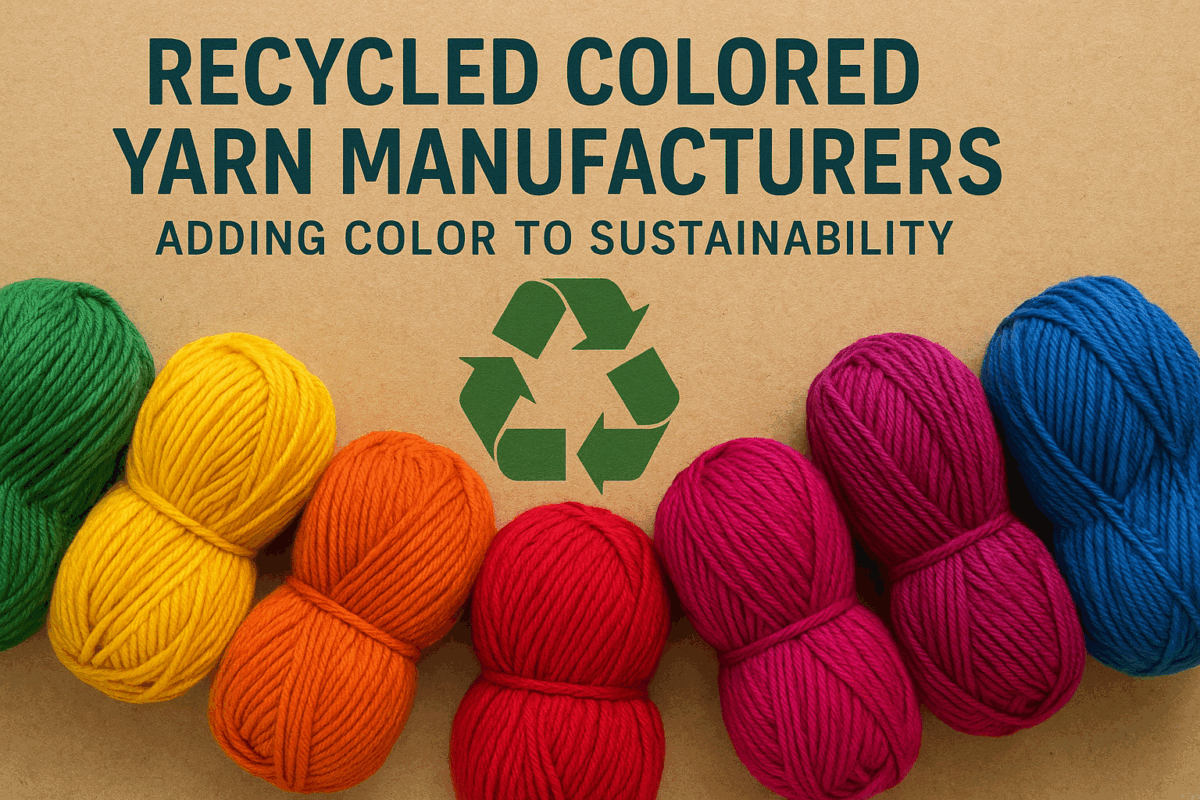
Recycled colored yarn is produced using pre-consumer and post-consumer textile waste, such as discarded garments, fabric scraps, and leftover industrial materials. Instead of dyeing new fibers, these materials are sorted by color during the recycling process, allowing manufacturers to produce yarn in various shades without the need for additional chemical dyes.

This approach significantly reduces water usage, chemical waste, and energy consumption — three major environmental concerns in traditional textile dyeing.

The Environmental Benefits

The biggest advantage of recycled colored yarn manufacturing lies in its drastic reduction in environmental impact. Here’s how it makes a difference:

  1. No Extra Dyeing Needed
    Traditional dyeing consumes massive amounts of water and introduces harmful chemicals into rivers and soil. By using pre-colored textile waste, manufacturers eliminate or minimize this step entirely.
  2. Lower Carbon Footprint
    Since the process avoids energy-intensive dye baths, recycled colored yarn production has a significantly smaller carbon footprint.
  3. Reduced Landfill Waste
    Every kilogram of recycled yarn means less textile waste dumped in landfills, extending the lifecycle of fabrics that would otherwise be discarded.

Water Conservation
Conventional textile dyeing can use up to 200 liters of water for every kilogram of fabric. Recycled colored yarn production uses a fraction of that amount, making it a more water-responsible choice.

The Process Behind Recycled Colored Yarn

The journey from discarded textiles to vibrant, eco-friendly yarn involves several steps:

  1. Collection & Sorting
    Textile waste is collected from factories, garment brands, and recycling centers. Skilled workers or automated systems sort them by color and fabric type.
  2. Shredding & Fiber Extraction
    The textiles are mechanically shredded into smaller pieces, and fibers are separated from other materials like zippers, buttons, and elastic.
  3. Blending for Strength & Color
    The fibers are blended to ensure durability and evenness of color. Sometimes, a small amount of virgin fiber is added to improve the yarn’s strength.
  4. Spinning into Yarn
    The blended fibers are spun into yarn using advanced machinery, resulting in threads that are ready for weaving, knitting, or other textile applications.

Quality Checks
Each batch undergoes strict testing to ensure colorfastness, strength, and consistency — so the final product is both sustainable and high-quality.

Applications in Fashion & Beyond

Recycled colored yarn is versatile, making it a favorite in multiple industries:

  • Fashion & Apparel – Sweaters, t-shirts, scarves, and hats.
  • Home Textiles – Carpets, cushion covers, and throws.
  • Industrial Uses – Upholstery fabrics, automotive interiors, and promotional merchandise.

Designers love recycled colored yarn because it allows them to maintain aesthetic variety without compromising environmental responsibility.

Why Brands Are Switching to Recycled Colored Yarn

As consumers become more eco-conscious, brands are under pressure to meet sustainability goals while keeping products appealing and marketable. Recycled Colored Yarn Offers:

  • Cost Efficiency – Lower energy and water costs compared to traditional production.
  • Authentic Sustainability Story – Brands can market products with genuine eco-friendly credentials.

Unique Aesthetics – Natural color variations create a distinctive, “earthy” look that resonates with sustainable fashion trends.

Challenges in the Industry

Despite its benefits, recycled colored yarn manufacturing faces challenges:

  • Quality Consistency – Variations in textile waste quality can affect yarn strength and texture.
  • Supply Chain Limitations – A steady supply of sorted textile waste is necessary for consistent production.
  • Consumer Awareness – Many buyers are still unaware of the environmental benefits of recycled yarn, requiring education and marketing.

The Future of Recycled Colored Yarn

With advancements in recycling technology, fiber recovery, and automated sorting, the quality of recycled colored yarn is improving rapidly. The trend is supported by global sustainability movements, government regulations, and rising consumer demand for greener products.

In the coming years, we can expect:

  • Wider Color Ranges – Improved sorting methods will allow for more vibrant, precise shades.
  • Higher Fiber Quality – Blending techniques will reduce the need for virgin fibers.
  • Mainstream Adoption – Large-scale fashion houses and retailers integrating recycled colored yarn into their core collections.

Conclusion

Recycled Colored Yarn Manufacturers are proving that sustainability doesn’t have to mean sacrificing beauty or quality. By turning textile waste into colorful, versatile yarn, they are breathing new life into discarded fabrics while protecting natural resources.

In a world where the fashion industry is often criticized for its environmental footprint, these manufacturers are adding color to sustainability — one vibrant, recycled thread at a time.
How Recycled Yarn Manufacturers Reduce Textile Waste and Promote Sustainability

How Recycled Yarn Manufacturers Reduce Textile Waste and Promote Sustainability

The fashion and textile industry is one of the largest contributors to global waste and pollution. From fast fashion’s rapid turnover to excessive production of synthetic fibers, the environmental impact is undeniable. However, one solution is gaining momentum and transforming the way fabrics are made, through Recycled Yarn Manufacturing.

Recycled yarn manufacturers are not only giving new life to discarded materials but also playing a critical role in reducing textile waste and promoting sustainability. By rethinking raw material sourcing, production processes, and waste management, they’re helping create a more circular, eco-friendly fashion ecosystem.

1. Understanding Recycled Yarn

Recycled yarn is produced from post-consumer and pre-consumer textile waste, as well as other recycled materials such as PET bottles.

  • Post-consumer waste: Old clothes, household textiles, or any fabric discarded after use.
  • Pre-consumer waste: Production offcuts, unsold inventory, and defective fabric rolls from manufacturing facilities.

Instead of these materials ending up in landfills or being incinerated, recycled yarn manufacturers collect, process, and convert them into usable fibers, which are then spun into new yarn.

2. The Process: From Waste to New Yarn

The manufacturing of recycled yarn involves several eco-conscious steps:

  1. Collection & Sorting – Textile waste is gathered from factories, retailers, and recycling centers. It is sorted based on fiber type, color, and quality.
  2. Shredding – Fabrics are mechanically shredded into smaller fiber pieces.
  3. Cleaning – Fibers are washed to remove contaminants like dust, dyes, or chemicals.
  4. Blending – Recycled fibers may be blended with virgin fibers for improved strength and texture.
  5. Spinning – The cleaned fibers are spun into yarn, ready for knitting or weaving.

This process bypasses many resource-heavy steps involved in producing virgin fibers, significantly cutting down environmental impact.

3. Reducing Textile Waste

One of the most significant contributions of recycled yarn manufacturers is diverting waste from landfills. According to the Ellen MacArthur Foundation, the equivalent of one garbage truck of textiles is landfilled or burned every second worldwide.

By reprocessing old fabrics into yarn, manufacturers help:

  • Extend the life of materials that would otherwise go to waste.
  • Minimize landfill accumulation, which reduces methane emissions from decomposing textiles.

Encourage circularity, where materials are continuously reused rather than discarded.

4. Promoting Sustainability Through Resource Conservation

Recycled yarn manufacturing is far less resource-intensive than producing new fibers.

  • Water Savings: Cotton production consumes huge amounts of water—recycling cotton fibers eliminates much of this demand.
  • Energy Reduction: Processing existing fibers uses less energy compared to manufacturing new polyester or other synthetics from raw petroleum.
  • Lower Carbon Footprint: Recycling reduces greenhouse gas emissions by avoiding virgin fiber production processes.

This conservation of natural resources makes recycled yarn an essential part of sustainable textile manufacturing.

5. Meeting Consumer Demand for Eco-Friendly Fashion

Today’s shoppers are more environmentally conscious than ever. They want brands that align with their values, and recycled yarn offers a compelling story.

Fashion labels using recycled yarn can proudly highlight:

  • Transparency in sourcing – clear traceability of recycled materials.
  • Lower environmental impact – backed by measurable data like water and energy savings.
  • Certifications – such as Global Recycled Standard (GRS) or OEKO-TEX, proving sustainable practices.

This not only boosts brand reputation but also fosters long-term customer loyalty.

6. Challenges and Solutions

While recycled yarn production offers numerous benefits, it also faces certain challenges:

  • Fiber Quality – Recycled fibers can be shorter and less durable. Solution: Blending with virgin fibers and improving mechanical/chemical recycling techniques.
  • Color Limitations – Pre-colored fibers can limit dyeing options. Solution: Advanced color-sorting technology and innovative dyeing methods.
  • Sorting Complexity – Mixed-fiber fabrics are harder to recycle. Solution: AI-driven fiber identification systems to improve sorting accuracy.

As technology advances, these challenges are becoming easier to overcome, making recycled yarn production more efficient and scalable.

7. Driving a Circular Fashion Economy

Recycled yarn manufacturing aligns perfectly with the circular economy—a system where products are designed, used, and recycled in a continuous loop.

Instead of a linear “take-make-dispose” model, circular fashion promotes designing for recyclability, ensuring that today’s clothes can become tomorrow’s raw materials. Recycled Yarn Manufacturers are key players in making this vision a reality.

Conclusion

Recycled Yarn Manufacturers are doing more than producing eco-friendly fibers—they’re reshaping the future of fashion. By reducing textile waste, conserving resources, and promoting sustainable practices, they help close the loop on fabric production.

As awareness grows and technology advances, recycled yarn will become a cornerstone of the textile industry. For fashion brands, adopting recycled yarn is no longer just a trend—it’s a responsibility. And for consumers, choosing products made from recycled yarn is a small but powerful step toward a cleaner, greener planet.

The Rise of Recycled Weaving Yarn: Benefits for Fashion and the Planet

The Rise of Recycled Weaving Yarn: Benefits for Fashion and the Planet

The fashion industry is one of the world’s most creative and influential sectors—but it’s also among the most resource-intensive. With growing awareness about environmental impacts, designers, brands, and manufacturers are turning to sustainable solutions. One innovation making a significant difference is Recycled Weaving Yarn. Not only is it revolutionizing the way textiles are made, but it’s also helping reduce the fashion industry’s ecological footprint.

From repurposing discarded fabrics to weaving beautiful, durable materials, Recycled Weaving Yarn is proof that style and sustainability can coexist. Let’s explore what it is, how it’s made, and why it’s transforming both fashion and the planet.

1. What Is Recycled Weaving Yarn?

Recycled Weaving Yarn is created from pre-consumer or post-consumer textile waste, as well as other recyclable fibers like PET bottles.

  • Pre-consumer waste comes from production scraps, offcuts, and unsold inventory.
  • Post-consumer waste includes old garments, household textiles, and discarded fabric products.

These materials are collected, sorted, cleaned, and processed into fibers, which are then spun into yarn suitable for weaving. This approach reduces the demand for virgin fibers like cotton or polyester, which require significant water, land, and energy resources to produce.

2. How Recycled Weaving Yarn Is Made

The manufacturing process for Recycled Weaving Yarn involves several key steps:

  1. Collection & Sorting: Waste textiles are gathered and sorted based on fiber type, color, and condition.
  2. Shredding: Fabrics are mechanically shredded into smaller fibers.
  3. Cleaning: Fibers are washed to remove dirt, dyes, or contaminants.
  4. Blending: Recycled fibers are often blended with other fibers to enhance strength and quality.
  5. Spinning: The fibers are spun into yarn, ready to be woven into new fabrics.

Advanced technology allows manufacturers to produce high-quality yarn that rivals virgin yarn in appearance and performance.

3. Environmental Benefits of Recycled Weaving Yarn

The shift toward recycled yarn offers numerous environmental advantages:

a. Reduces Textile Waste

Textile waste is a growing problem, with millions of tons ending up in landfills every year. By reusing discarded fabrics, Recycled Weaving Yarn helps divert this waste from landfill sites.

b. Conserves Resources

Producing virgin fibers like cotton requires vast amounts of water and pesticides, while polyester production consumes fossil fuels. Recycling fibers drastically reduces water usage, chemical pollution, and energy consumption.

c. Lowers Carbon Footprint

Manufacturing recycled yarn generally emits fewer greenhouse gases compared to producing new fibers. This helps mitigate climate change impacts.

d. Minimizes Microfiber Pollution

Some recycled yarns are made from natural fibers or improved synthetics that shed fewer microplastics, reducing ocean pollution.

4. Benefits for the Fashion Industry

The rise of Recycled Weaving Yarn is not just good for the planet—it’s also a win for the fashion world.

a. Creative Freedom

Recycled yarns can be dyed, textured, and blended to produce unique fabrics, allowing designers to experiment with new looks and textures without compromising quality.

b. Meeting Consumer Demand

Sustainability is no longer a niche—it’s a priority for many shoppers. Brands using recycled yarn can appeal to eco-conscious consumers, strengthening their market position.

c. Cost-Effectiveness in the Long Term

While the initial setup for recycling systems can be costly, the use of waste materials can eventually reduce reliance on expensive virgin fibers, offering savings over time.

d. Brand Reputation and Certification

Brands adopting recycled yarn often gain certifications such as Global Recycled Standard (GRS) or OEKO-TEX, which enhance credibility and consumer trust.

5. Challenges and Solutions

Despite its benefits, Recycled Weaving Yarn production faces challenges:

  • Fiber Quality: Recycled fibers may be shorter and weaker than virgin fibers.
  • Color Limitations: Pre-colored fabrics may limit dyeing options.
  • Sorting Complexity: Separating different fiber types is labor-intensive.

However, advancements in recycling technology, such as chemical recycling for polyester or AI-powered sorting systems, are overcoming these hurdles, making recycled yarn more viable and scalable.

6. The Bigger Picture: Closing the Loop

Recycled Weaving Yarn supports the concept of a circular fashion economy, where materials are kept in use for as long as possible. Instead of the traditional “take-make-dispose” model, circular fashion emphasizes reusing, recycling, and regenerating resources.

By adopting recycled yarn, brands contribute to this loop—designing clothes that can one day be recycled again, reducing overall waste and resource depletion.

Conclusion

The rise of Recycled Weaving Yarn marks a pivotal moment for the fashion industry. It’s a step toward reducing environmental harm while enabling creativity and innovation. From lowering textile waste to conserving natural resources, its benefits are clear—not just for the planet, but for the fashion market as a whole. As consumer demand for sustainability grows, more brands are expected to embrace recycled yarns in their weaving processes. This isn’t just a passing trend—it’s the future of fabric. The next time you admire a woven garment, it may very well be a symbol of how style and sustainability can weave together seamlessly.

From Mill to Wardrobe: How Sweater Yarn Manufacturers Craft the Perfect Winter Wear

From Mill to Wardrobe: How Sweater Yarn Manufacturers Craft the Perfect Winter Wear

When winter approaches and temperatures drop, the first thing we reach for is often a warm, soft sweater. But behind every cozy garment lies an intricate process that begins long before it reaches store shelves. Sweater Yarn Manufacturers play a pivotal role in creating winter wear that is not only comfortable and stylish but also durable and sustainable. From raw fiber selection to final yarn finishing, each step in the manufacturing journey contributes to the quality of the sweaters we cherish.

1. The Art of Fiber Selection

The journey begins with choosing the right fibers—arguably the most critical decision in the entire process. Popular choices for winter sweaters include wool, alpaca, cashmere, mohair, and blends that incorporate synthetic fibers for added strength and elasticity.

  • Wool: Known for its warmth and moisture-wicking ability.
  • Cashmere: Luxuriously soft and lightweight, ideal for high-end winter wear.
  • Alpaca: Warmer than wool and hypoallergenic.
  • Blends: Often combine natural fibers with acrylic or nylon to improve durability and reduce costs.

Manufacturers assess fibers for fineness, length, and crimp, as these characteristics affect how warm, soft, and durable the final yarn will be.

2. Cleaning and Preparing the Fibers

Once sourced, fibers undergo scouring—a thorough washing process that removes dirt, grease, and impurities without damaging their structure. This step is crucial for ensuring the fibers can be spun evenly.

Some high-end yarn producers also apply gentle treatments to enhance softness, reduce pilling, or add stain resistance, depending on the intended use of the sweater.

3. Blending and Carding

If the yarn will be a blend (e.g., wool-cashmere), different fibers are mixed in precise ratios to achieve the desired feel and performance.

The fibers are then carded—passed through fine wire rollers that disentangle and align them into a continuous web. Carding ensures uniformity, which is essential for producing consistent yarn thickness.

4. Spinning: Turning Fibers into Yarn

Spinning is where the magic happens—transforming loose fibers into strong, cohesive strands of yarn. Manufacturers use various spinning techniques depending on the type of sweater they want to produce:

  • Ring Spinning: Produces fine, smooth yarn ideal for luxury knitwear.
  • Open-End Spinning: Faster and more cost-effective, suitable for thicker, casual sweaters.
  • Worsted vs. Woolen Yarns: Worsted yarns are tightly spun for a sleek finish, while woolen yarns are looser and airier, perfect for trapping warmth.

Twist level is also key—too tight and the yarn becomes stiff; too loose and it may break easily.

5. Dyeing for Style and Personality

Color plays a huge role in sweater appeal. Manufacturers use two main dyeing methods:

  • Fiber Dyeing (Stock Dyeing): Fibers are dyed before spinning, allowing for rich, deep colors and heathered effects.
  • Yarn Dyeing: The spun yarn is dyed to achieve solid or patterned effects.

Eco-conscious manufacturers increasingly turn to low-impact dyes and water-saving dyeing technologies to minimize environmental harm.

6. Finishing: Enhancing Performance and Comfort

Before the yarn leaves the mill, it undergoes finishing treatments to ensure it behaves well during knitting and wearing. These may include:

  • Steam Setting: Locks in twist and shape.
  • Anti-Pilling Treatments: Reduces fuzz and keeps sweaters looking new longer.
  • Softening: Increases comfort against the skin.

This step is especially important for ensuring the final garment retains its appearance after washing and wearing.

7. Quality Control: Perfection Is Non-Negotiable

Reputable manufacturers conduct stringent quality checks at every stage—from fiber intake to final packaging. Tests may include:

  • Tensile Strength Testing: Ensures yarn can withstand knitting without breaking.
  • Colorfastness Testing: Checks that dye won’t bleed or fade prematurely.
  • Evenness Testing: Prevents weak spots that could cause garment defects.

Only yarns that pass all inspections are sent on to sweater producers.

8. From Yarn to Sweater

Once the perfect yarn is ready, it’s shipped to knitting facilities where designers and craftsmen transform it into sweaters. The yarn’s quality directly influences stitch definition, drape, and comfort. A well-crafted yarn means a sweater that’s warm, long-lasting, and visually appealing.

9. Sustainability in Modern Yarn Manufacturing

Today’s consumers care about where their clothes come from and how they’re made. Many Sweater Yarn Manufacturers are embracing sustainable practices, such as:

  • Using recycled fibers to reduce textile waste.
  • Sourcing wool from ethically raised sheep.
  • Adopting closed-loop dyeing systems to minimize water pollution.
  • Prioritizing biodegradable and low-impact materials.

These changes not only protect the planet but also resonate with eco-conscious fashion buyers.

Conclusion

From the selection of raw fibers to the final finishing touches, sweater yarn manufacturing is a blend of science, art, and craftsmanship. Every stage influences the warmth, softness, and durability of the winter wear we love. So, the next time you slip into a cozy sweater, remember—it’s not just fabric. It’s the result of a meticulous process that started in a mill and ended in your wardrobe, designed to keep you stylishly warm all season long.